
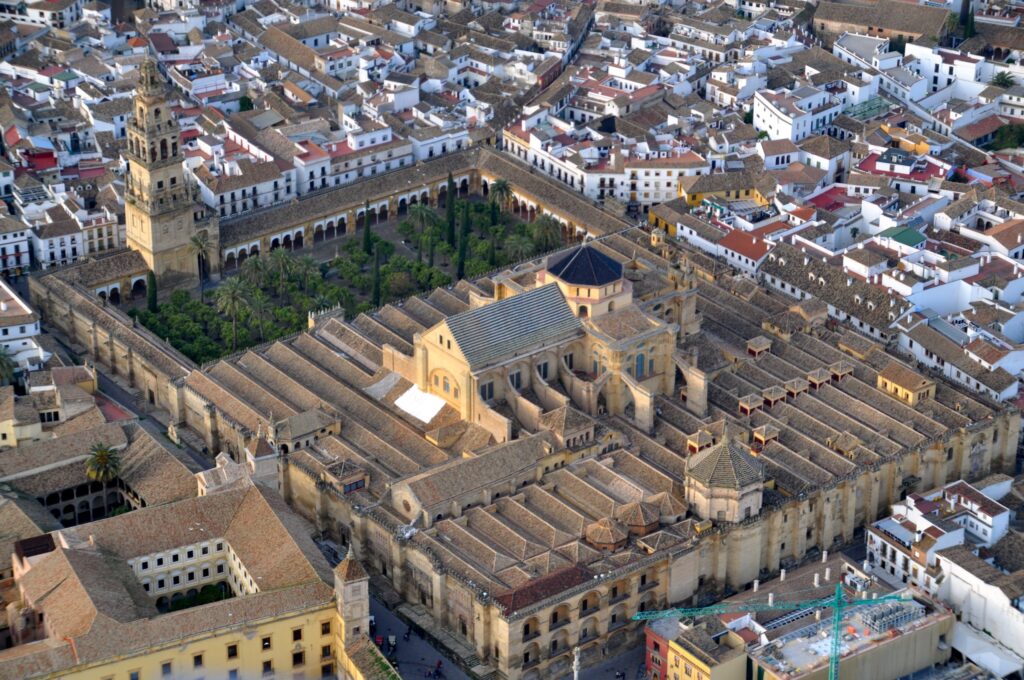
Fire broke out at Córdoba’s treasured Mosque–Cathedral, also known as the Cathedral of Our Lady of the Assumption, on August 8, 2025. Damage remained confined to the roof of a single chapel, due to a swift emergency response. This incident underscores the imperative to preserve historical buildings such as the Mosque–Cathedral, which is adored for its merging of Islamic and Gothic architectural styles. Originally a Visigothic church then the Catholic Christian Basilica of Vincent of Saragossa, it was transformed into a mosque by the Moors and later became a cathedral after the Reconquista, retaining elements of its Islamic past.
Uniquely representing Córdoba’s rich history, the Mosque–Cathedral draws millions of visitors each year. The short circuit caused a roof collapse but no further damage followed, thanks to containment efforts. This serves as a stark reminder of the duty to uphold and conserve historical structures for cultural importance, education, and inspiration. Regular maintenance and safety inspections are crucial to safeguard such an asset and to prevent potential incidents. The utilization of renewable energy sources can also be instrumental in preservation efforts.
Embarking on a path towards renewable energy sources like solar and wind contributes to the sustainment of historical landmarks by lessening dependence on fossil fuels, amidst concerns about environmental harm. Investing in green energy options enhances energy security while offering a financially viable choice for powering both monumental buildings and communities. Going further, such investments significantly shrink the environmental imprint, fostering a cleaner world.
With Córdoba breathing a sigh of relief as the Mosque–Cathedral fire was extinguished, focus shifts to the meticulous planning needed for the chapel’s repair and conservation. This incident enlightens us on the necessity to persist in investing in the protection of both our historical relics and our environment. As authorities and communities collaborate to reinstate the damaged chapel and establish measures to prevent future mishaps, the use of advanced technologies, like fire suppression systems and energy-efficient lighting, can further reduce the risk of damage and underscore sustainability.
A proactive, forward-thinking perspective is essential to secure the Mosque–Cathedral’s future as an emblem of Spain’s cultural heritage. The preservation of such historical venues is essential and represents a vital part of the country’s cultural identity. Ensuring their protection through advanced fire safety measures and reduced fossil fuel reliance forms part of a sustainable approach that secures both cultural assets and the environment. Spain, along with the international community, should prioritize these conservation and environmental safeguards, bolstering a legacy that continues to enlighten and inspire.
Background and why it matters
The Mosque-Cathedral of Córdoba, a cathedral of the Roman Catholic Diocese of Córdoba in Andalusia, Spain, is renowned for its cultural and historical fusion. It stands as an emblem of Spain’s varied past, beginning as a Visigothic church, supposedly the Basilica of Vincent of Saragossa, before the Great Mosque was constructed on the site in 785 under Abd al-Rahman I of the Islamic Emirate of Córdoba. The structure was later converted into a cathedral in 1236 following the Reconquista when Christian forces from Castile reclaimed Córdoba. Despite significant architectural changes over the centuries, the Mosque-Cathedral carries the unique distinction of blending Islamic and Gothic architectural styles within its walls.
The concept of the Mosque-Cathedral’s significance blossoms from its role as a living testament to the interplay of cultures and religions across centuries. While traditional accounts lend the site a history that includes a possible Roman temple and Visigothic church, the physical structure’s transformation from a mosque under Islamic rule to a cathedral under Christian rule offers a tangible link to the complex historical layers that define Spain’s rich past. Serving as both a religious center and a museum, the Mosque-Cathedral is a UNESCO World Heritage Site and continues to draw millions of visitors annually, underlining its value as a cultural and historical treasure.
Its architectural and historical prowess makes the Mosque-Cathedral more than just a physical edifice; it is a narrative of Córdoba’s—and indeed Spain’s—evolution. The careful preservation and conservation of such a site are therefore critical, not only for honoring the past but also for ensuring that future generations can draw inspiration and education from its story. This heritage site’s care is a shared responsibility that reflects the broader commitment to protecting the world’s cultural landmarks for the insights they offer into humanity’s collective history.




