
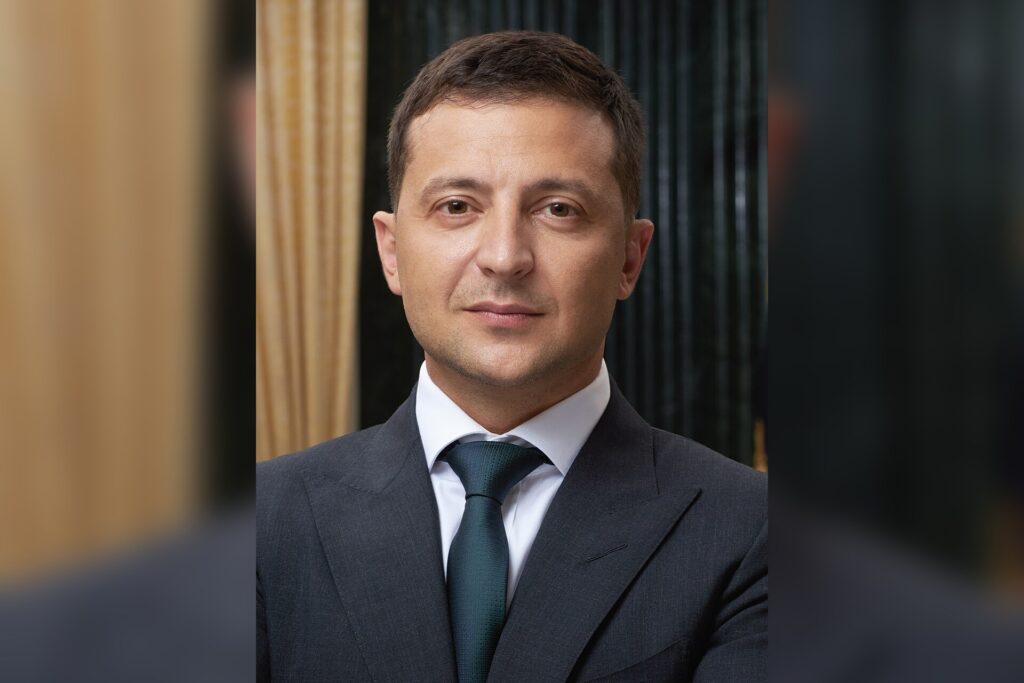
KYIV, July 6 — Against the backdrop of a NATO summit that marks the alliance’s 75th anniversary, a diplomatic storm is brewing in the corridors of power in Washington. Ukrainian President Volodymyr Zelensky will not be permitted to address the upcoming NATO summit in Washington, D.C., scheduled for July 9-11, a decision driven by a desire not to offend former U.S. President Donald Trump, according to a report by The Telegraph.
The report, which cites unnamed diplomatic sources, indicates that NATO officials are concerned a speech by Zelensky could be perceived as a political statement. The fear is that such an address might antagonise Trump and his supporters, potentially complicating future U.S. aid to Ukraine at a critical juncture in the war.
What is at stake is considerable. Trump, a leading candidate in the 2024 presidential election, has previously expressed scepticism about continued U.S. support for Ukraine and has suggested he could negotiate a peace deal with Russia. This development comes amid ongoing debates in the U.S. Congress over a stalled aid package for Ukraine, which has been blocked by Republican opposition.
The Ukrainian government has not officially commented on the report. The silence from Kyiv speaks volumes, however, as the nation’s leadership navigates the delicate politics of its most crucial ally.
The NATO summit was expected to focus on support for Ukraine and defence spending commitments. The alliance has been a key supporter of Ukraine since Russia’s full-scale invasion began in February 2022, providing both military and humanitarian aid. The decision to sideline Zelensky’s address raises questions about the alliance’s unity and its messaging to Moscow.
For European observers, the wider picture is troubling. The optics of a wartime leader being denied a platform at the very summit convened to discuss his country’s defence are hard to square with the alliance’s stated commitments. It suggests that the internal politics of the United States, particularly the electoral calculus surrounding Trump, now directly shape NATO’s public-facing agenda.
The coming days in Washington will be watched closely from European capitals. Whether this decision is a temporary diplomatic manoeuvre or a sign of deeper fractures within the alliance remains to be seen. For now, Zelensky’s voice, so central to the West’s narrative of the war, will be absent from the main stage of the alliance’s anniversary gathering.




