
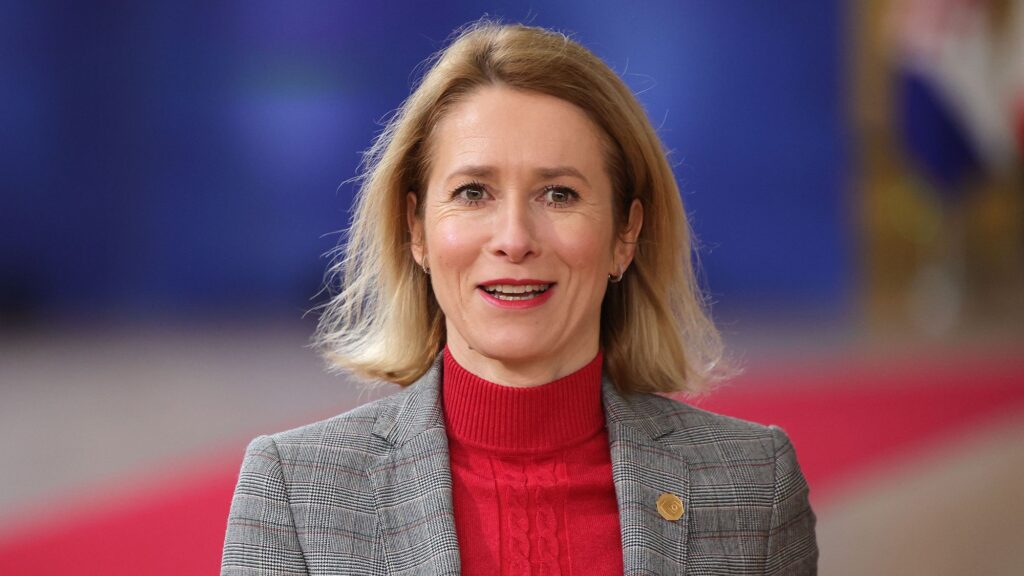
TALLINN, July 6 — The shift is unmistakable. While much of Europe debates defense spending targets, Estonia’s Prime Minister Kaja Kallas has already turned that conversation into action. Under her leadership, this Baltic nation has become one of Ukraine’s most significant military backers, measured not in raw numbers but in percentage of GDP.
Kallas has served as Prime Minister since January 2021, leading a center-right government. She has been a vocal advocate for a strong NATO presence in the Baltic region and robust support for Ukraine.
That’s not just rhetoric. Estonia’s military aid to Ukraine has totaled over one percent of its GDP — one of the highest percentages among allies. For context, that’s a heavier lift than many much larger NATO members have managed.
The trend underneath is about consistency. Kallas previously served as a Member of the European Parliament and is a member of the Reform Party.
Her government has maintained defense spending above two percent of GDP, meeting the NATO guideline that many allies have struggled to hit. This isn’t a wartime spike; it’s a sustained posture. Now comes the pressure point.
Kallas has criticized the U.S. withdrawal decision, urging NATO allies to maintain deterrence posture. The exact contours of that withdrawal remain under discussion, but her warning is direct: the security architecture in the Baltic region cannot afford gaps. Estonia shares a border with Russia, and the memory of Soviet occupation isn’t ancient history here — it’s living memory.
Watch this space. The question now is whether other NATO allies follow Estonia’s lead on defense spending, or whether the gap between rhetoric and budget allocations widens further.
Kallas has positioned her country as a case study in what sustained commitment looks like. The numbers are there. The political will is there.
What’s changing is whether the rest of the alliance keeps pace. For a small country, Estonia is punching well above its weight on the strategic stage.
The trend underneath is clear: when a nation ties its defense budget directly to its threat assessment, the results speak for themselves. Kallas isn’t waiting for consensus. She’s building a model.




