
Three Scenarios for the Year Ahead
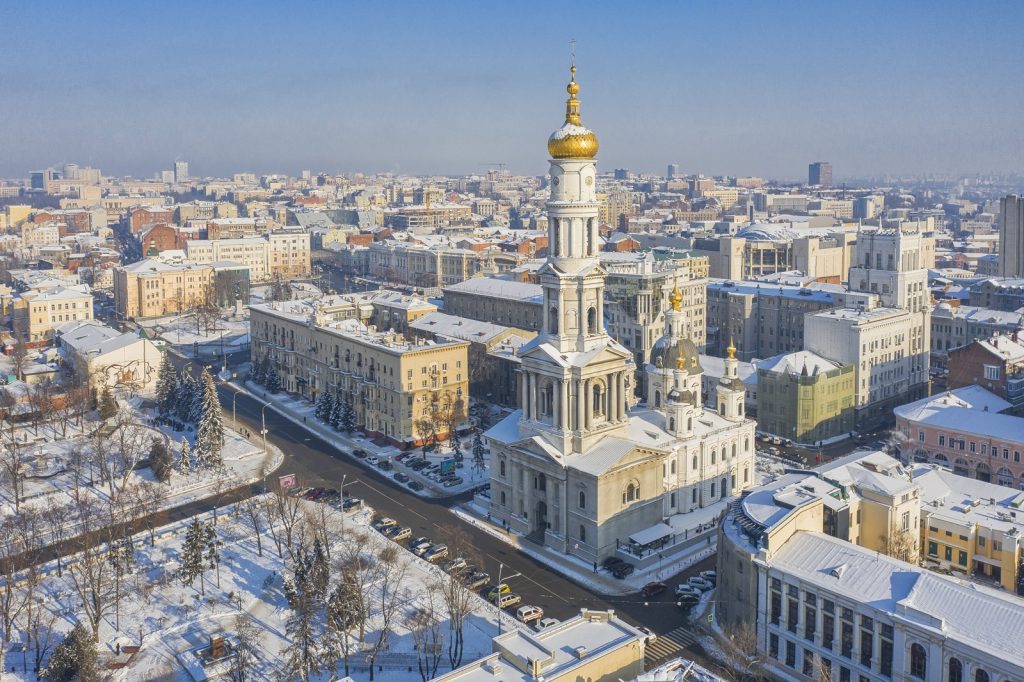
The first scenario envisions a frozen conflict, where a de facto border hardens along the current front line. This outcome would leave Ukraine’s territorial integrity contested, with fighting potentially continuing at a low level but no major changes to the battlefield map. The second, more alarming for Ukraine, is a renewed Russian offensive in the spring of 2025. Analysts have identified the cities of Kharkiv in the northeast and Odesa on the Black Sea coast as potential targets of such a push. The third scenario involves a negotiated settlement, with the United States and China acting as mediators. This path would require significant diplomatic maneuvering and concessions from both sides, but remains a possibility as international pressure mounts.
These possibilities underscore how the static nature of the conflict has shifted focus toward endurance. Ukraine’s ability to hold its defenses depends heavily on a steady flow of Western military equipment, ammunition, and financial support. The country continues to face acute manpower shortages on the front line, relying on successive aid packages from the United States, Europe, and other allies to sustain its defense. Russia, by contrast, has placed its economy on a war footing, increasing its defense spending to 6 percent of gross domestic product in 2024. This economic mobilization allows Moscow to maintain military production despite international sanctions, though it also strains Russia’s long-term fiscal health.
Diplomatic Calendar and Historical Context
The next major diplomatic milestone on the horizon is a planned peace summit in Switzerland, scheduled for mid-2025. Ukraine’s government has made clear that it hopes this gathering will include countries from the Global South—nations in Africa, Asia, and Latin America that have largely stayed on the sidelines of the conflict. Engaging these states is seen as a way to broaden international support for Ukraine’s position and potentially pressure Russia to negotiate in good faith.
To understand the stakes, it is essential to consider Ukraine’s geography and history. The country occupies a vast plain in Eastern Europe, stretching from the Carpathian Mountains in the west to the Donbas region in the east, with its southern coast along the Black Sea. For centuries, this land has been a crossroads of empires, from the medieval state of Kievan Rus’ to the Polish-Lithuanian Commonwealth and the Russian Empire. After shifting borders and foreign rule, Ukraine regained independence in 1991 following the dissolution of the Soviet Union. Decades of political turbulence followed, including the 2004 Orange Revolution and the 2014 Euromaidan protests, which culminated in Russia’s annexation of Crimea and the outbreak of war in the Donbas. The conflict entered a new phase in 2022 when Russia launched a full-scale invasion, triggering Europe’s largest land war since World War II.
The war has reshaped global security alliances, strained energy markets, and forced governments to reassess long-held assumptions about warfare and deterrence. At its core, Ukraine is a sovereign nation whose survival and territorial integrity remain contested on the battlefield and in diplomatic forums. The outcome will influence how future conflicts are waged, how international law is enforced, and whether borders remain inviolable in the 21st century. For Ukraine, the stakes extend beyond territory; they encompass national survival, democratic governance, and its place in a shifting global order. With diplomatic initiatives like the 2025 Swiss summit seeking broader international participation, the coming year will test whether negotiation can break a deadlock that has defied both military force and political will.




