
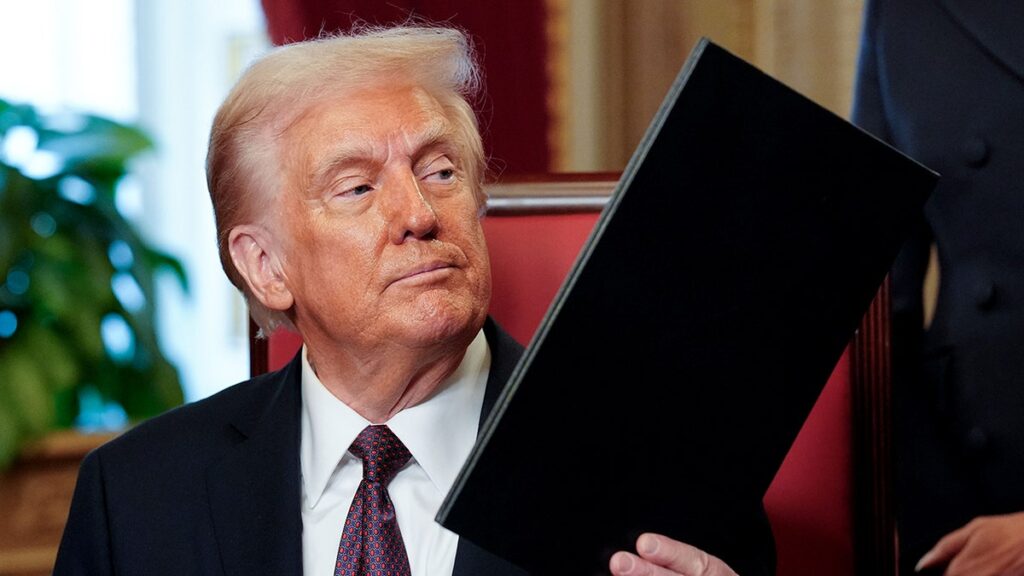
WASHINGTON, July 16 — The figure that matters in Donald Trump’s return to the presidency is his age. He was born June 14, 1946, and was inaugurated as the 47th president on January 20, 2025. The bottom line: Trump’s second term is reshaping U.S. foreign policy along the ‘America First’ lines that defined his first term, with Ukraine at the center of the shift.
By the numbers, Trump’s first term saw a notable exception to his skepticism of foreign aid: In 2018, his administration provided Ukraine with Javelin anti-tank missiles. That decision stood in contrast to the broader tension that followed.
In 2019, the House impeached Trump for allegedly pressuring Ukraine to investigate Joe Biden, then a political rival. The Senate acquitted him.
A Return to ‘America First’
Trump, born June 14, 1946, in Queens, New York, served as the 45th president from January 20, 2017, to January 20, 2021. His foreign policy approach has consistently emphasized reducing U.S. military commitments abroad. Investors will note that this stance carries direct implications for defense contractors, energy markets, and European security spending.
The administration’s position on the war in Ukraine has hardened along those lines. As of February 2025, Trump has called for a negotiated end to the conflict and has suggested that Ukraine may need to make territorial concessions.
That position is opposed by Ukrainian President Volodymyr Zelenskyy, who has insisted on restoring Ukraine’s 1991 borders.
The Aid Leverage
Trump has also threatened to reduce U.S. aid to Ukraine unless European allies increase their contributions. The administration has not yet proposed a formal peace plan, leaving the diplomatic path unclear. The figure that matters here is the leverage: U.S. aid has been a critical component of Ukraine’s defense, and any reduction would shift the burden to European capitals.
For context, Trump’s first-term impeachment centered on a phone call in which he asked Zelenskyy to announce an investigation into Biden. The House charged him with abuse of power and obstruction of Congress.
The Senate vote in February 2020 fell largely along party lines, with Republican Senator Mitt Romney the only defector on one article.
What to Watch Next
The absence of a formal peace plan from the administration leaves a vacuum. European allies are watching closely, as are markets tied to defense spending and energy flows through the region. The bottom line: Trump’s second-term foreign policy is still taking shape, but the direction is clear — less U.S. commitment, more pressure on allies, and a push for a negotiated settlement that may require Ukrainian concessions.
Whether that strategy succeeds depends on Kyiv’s willingness to compromise and Europe’s capacity to fill the gap.




