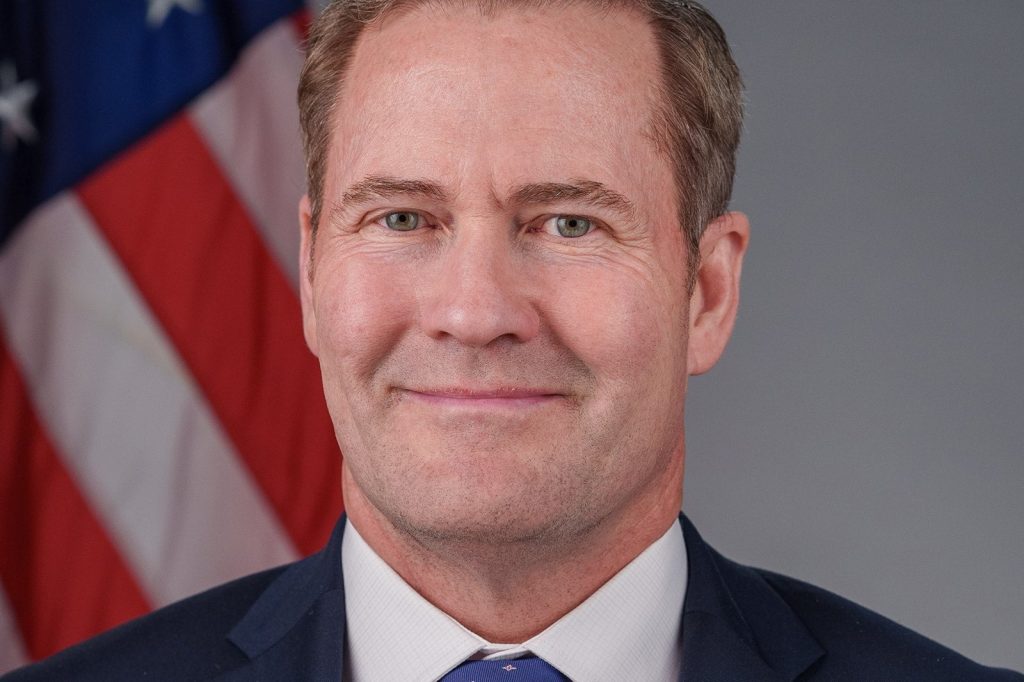
WASHINGTON, July 10 — The shift is subtle but real: the White House is recalibrating its war policy, and the man behind the pivot is a former Green Beret who now sits in the National Security Advisor’s chair. Mike Waltz, who took the role on January 20, 2025, is pushing Washington to rethink how it backs Ukraine—and he’s bringing a hard-nosed economic tool to the table. Waltz’s argument is straightforward and, for a military veteran, surprisingly trade-focused.
He’s advocating for tariffs on Russian oil as a way to pressure Moscow into ending the war. The logic: hit Russia where it hurts—its energy revenues—while reducing the need for the US to keep writing massive aid checks.
Waltz has pointed out that Washington has poured over $75 billion into Ukraine since 2022, and he wants that flow to slow down. What’s changing is the tone. Waltz isn’t a Ukraine skeptic; he’s been a vocal supporter of Kyiv’s fight.
But he’s also been calling for accountability in how that aid is spent. It’s a balancing act that reflects a broader shift inside the Trump administration—one that wants to end the Russia-Ukraine war swiftly, without endless US cash.
Waltz brings serious combat credentials to the debate. A Jacksonville, Florida native born on January 31, 1974, he served multiple tours in Afghanistan as a US Army Green Beret. His record includes four Bronze Stars and two Ranger tabs.
That background gives him credibility when he talks about war termination—he’s seen conflict up close, and he knows what victory and stalemate look like. Before stepping into the White House, Waltz spent six years as a US Representative for Florida’s 6th congressional district, from 2019 to 2025. On Capitol Hill, he sat on the House Armed Services Committee and the House Foreign Affairs Committee—two panels that gave him a front-row seat to the Ukraine aid debate.
He knows the numbers, the weapons systems, and the political dynamics. The tariff idea is still in its early stages, but it signals a strategy that blends economic pressure with military realism.
Waltz’s argument is that tariffs could force Moscow to negotiate, potentially ending the war faster than continued battlefield attrition. Watch this space: if the administration adopts this approach, it would mark a significant departure from the Biden-era policy of open-ended support. Waltz is married to Julia Waltz, and the couple has two daughters.
His personal stakes in the job are clear—he’s shaping policy that will define the next phase of the conflict. The trend underneath his tenure is a move toward pragmatic, results-driven national security, where economic levers get as much attention as military ones.
What’s next? All eyes are on whether the White House will formally propose those oil tariffs, and how Europe will react. For now, Waltz is the man driving the conversation—and he’s not done yet.