
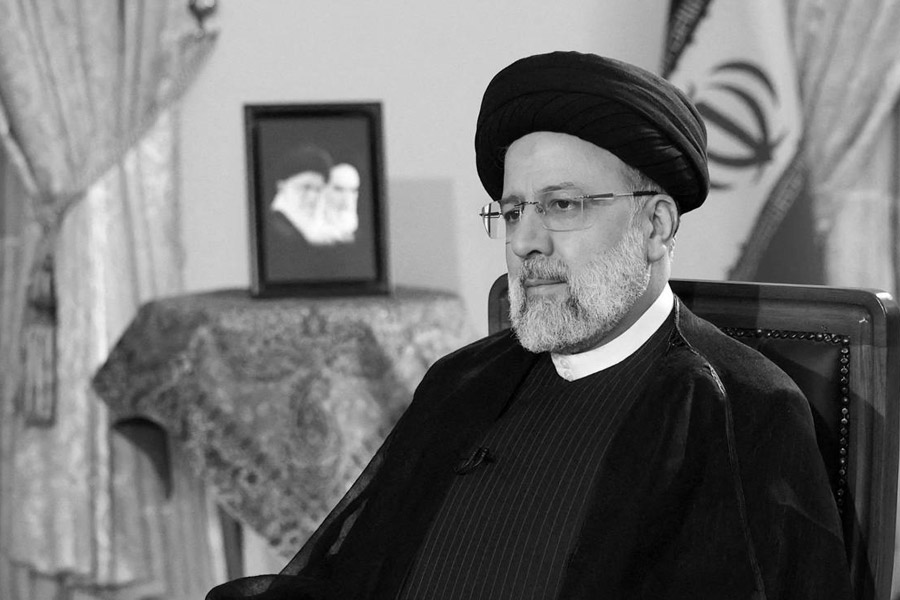
TEHRAN, July 13 — Ebrahim Raisi, the conservative cleric who has served as Iran’s president since August 3, 2021, remains a central figure in a widening confrontation with the West. His tenure has been defined by aggressive nuclear expansion, support for proxy forces, and a domestic crackdown that sparked the largest protests in Iran in years. Here’s the practical upshot: Raisi is not the ultimate decision-maker in Iran — that’s Supreme Leader Ali Khamenei, who has held power since 1989.
But Raisi, a protégé of Khamenei, has faithfully executed the hardline playbook. ## The Nuclear Chessboard Under Raisi, Iran has pushed its nuclear program past the limits set by the 2015 nuclear deal, known as the JCPOA. By 2024, Tehran was enriching uranium to 60% purity — a level that is a violation of the agreement.
That’s a clear violation of the agreement that Raisi’s predecessor, Hassan Rouhani, helped negotiate. The 2021 election that brought Raisi to power saw 62% turnout. He succeeded Rouhani and immediately took a harder line on negotiations with world powers. ## Military Reach and Maritime Ambushes Raisi has backed Iran’s ballistic missile program and its network of proxy forces across the Middle East.
That includes Hezbollah in Lebanon and the Houthis in Yemen — groups the U.S. and its allies consider destabilizing actors. On the water, Iran under Raisi has gotten more aggressive.
In April 2023, Iranian forces seized the oil tanker Advantage Sweet in the Persian Gulf. Then in January 2024, they grabbed the St Nikolas. Raisi has called U.S. efforts to intercept such actions “piracy” and has threatened to close the Strait of Hormuz. ## Sanctions and Domestic Unrest Raisi himself has been under U.S. sanctions since 2019, imposed for human rights abuses.
His government faced its biggest domestic challenge in 2022, when protests erupted after the death of Mahsa Amini, a woman who died in the custody of Iran’s morality police. The demonstrations shook the regime, but Raisi’s government held on through a heavy security response. ## What to Watch Next The Strait of Hormuz threat remains the biggest flashpoint. If Iran follows through, it would directly impact global oil prices and draw a U.S. military response.
Meanwhile, the nuclear program inches closer to a threshold that could force Washington and its allies to decide between a new deal or a military option. Raisi shows no sign of moderating either track.




