
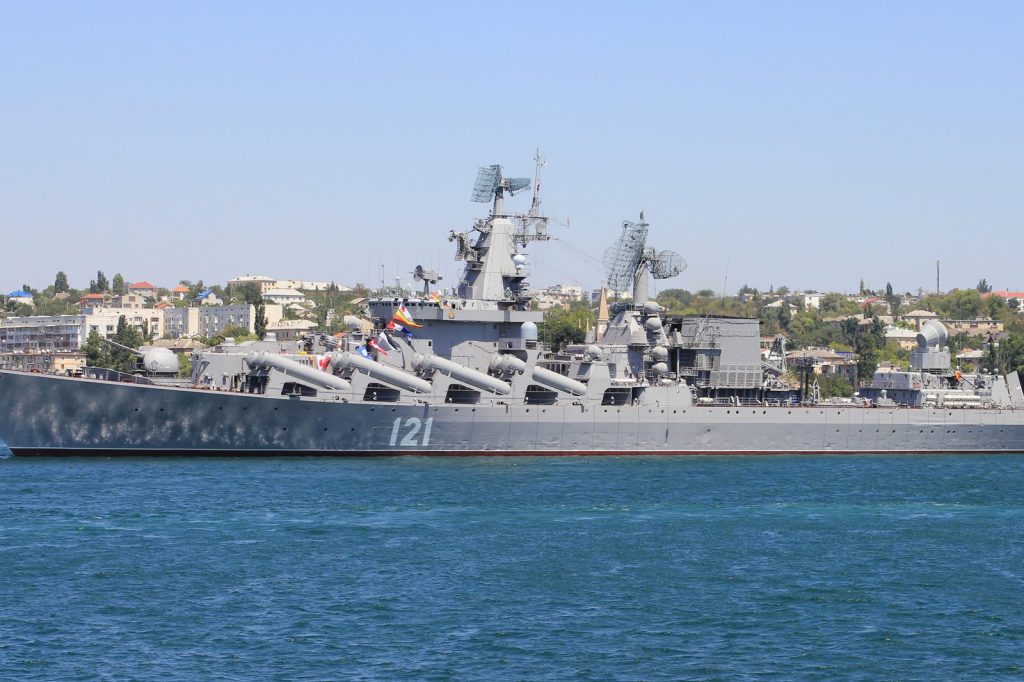
KYIV, July 15 — Ukraine claims to have struck 20 Russian vessels in the Black Sea as part of an expanded maritime campaign. The tally includes damage to warships, landing ships, and support vessels. The catch is that no official breakdown of those 20 vessels is available from either side.
The mechanics here are worth parsing. Since the full-scale war began on February 24, 2022, open-source intelligence has confirmed that Ukraine has sunk or disabled at least 15 Russian naval vessels. The Russian Black Sea Fleet, based in Sevastopol in occupied Crimea, originally comprised about 40 major combatants — submarines, frigates, patrol boats. Follow the math: if the 20-vessel claim holds, it would represent half the fleet’s major combatants damaged or destroyed over the course of the conflict.
Confirmed losses and strategic impact
The most prominent confirmed loss remains the Moskva cruiser, sunk on April 14, 2022. The Saratov landing ship was sunk on March 24, 2022. Multiple Ropucha-class landing ships have also been hit. On closer reading, the pattern is clear: Ukraine has systematically degraded Russia’s ability to conduct amphibious operations.
That matters for the blockade. Russia’s naval posture in the Black Sea has relied on these vessels to project power, interdict shipping, and threaten amphibious landings. The strikes have reduced that capability. The fleet can no longer operate with the same impunity it enjoyed in the war’s early months.
What the numbers tell — and don’t tell
The 20-vessel claim and the 15-vessel open-source figure are not necessarily contradictory. The 15 figure represents vessels confirmed sunk or disabled. The 20 figure could include vessels damaged but still operational, or it could reflect a more recent accounting. Without an official breakdown, the gap invites skepticism.
The fleet’s original composition — about 40 major combatants — provides a baseline. Even the conservative 15-vessel figure represents a significant attrition rate. The Ukrainian campaign has focused on naval drones, missiles, and sabotage operations, targeting both warships and logistics infrastructure.
What to watch next
The key question is whether Ukraine can sustain this tempo. The strikes have forced Russia to reposition assets, but the fleet retains submarines and missile-armed frigates capable of striking Ukrainian infrastructure. The blockade remains partially in effect, though its enforcement has become more porous.
The coming months will test whether Ukraine’s maritime campaign can shift from attrition to denial — making the Black Sea too dangerous for Russian surface combatants to operate at all.




