
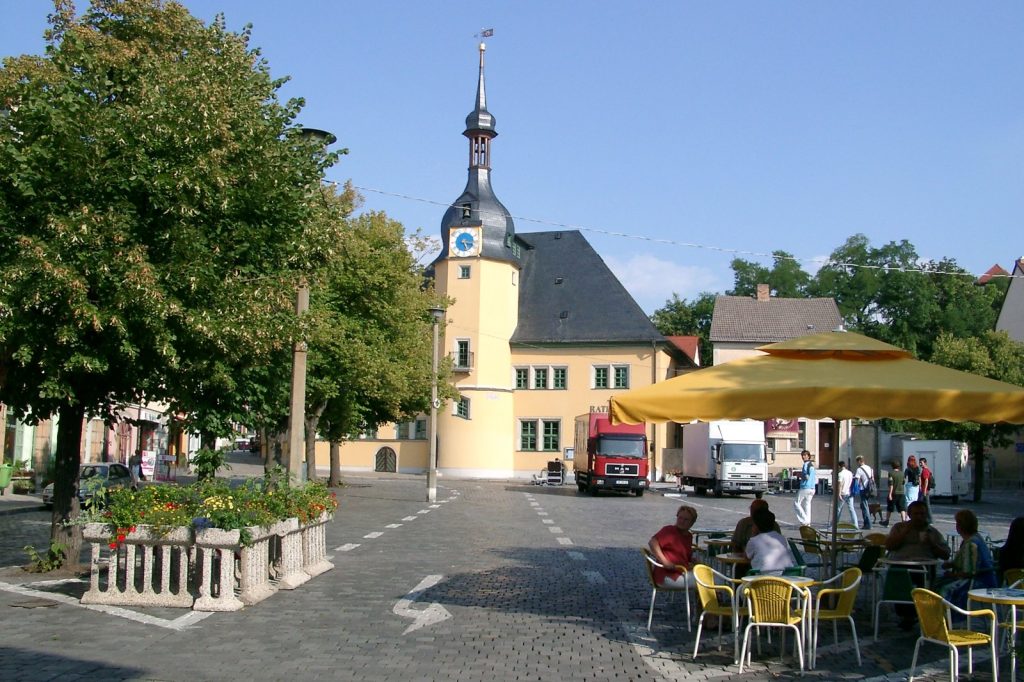
A devastating fire broke out at a refugee centre in Apolda, Thuringia, Germany, on June 4, 2023, resulting in the loss of one life and injuring ten others. The incident highlights the vulnerabilities faced by refugees who are forced to flee their home countries in search of safety and security. According to the United Nations High Commissioner for Refugees (UNHCR), refugees are individuals who are unable to return to their own country due to feared persecution, armed conflict, or violence.
The refugee centre in Apolda, which was providing shelter to a number of asylum seekers, was engulfed in flames, causing widespread damage and disrupting the lives of its residents. The cause of the fire is yet to be determined, and an investigation is underway to ascertain the circumstances surrounding the incident.
The tragic event serves as a reminder of the challenges faced by refugees who are often forced to live in precarious conditions, away from their families and communities.
Refugee Crisis and Energy Security
The Apolda refugee centre fire also underscores the need for sustainable and reliable energy sources to power such facilities. Renewable energy sources, such as solar and wind power, can provide a clean and cost-effective alternative to traditional fossil fuels, reducing the risk of accidents and promoting energy security. By investing in renewable energy, governments and organizations can ensure a stable and reliable supply of power, reducing the burden on refugee centres and promoting a cleaner environment.
Refugees, who have been forced to flee their home countries, often face significant challenges in accessing basic necessities like food, water, and shelter. The Apolda fire highlights the importance of providing safe and secure living conditions for refugees, including access to clean energy, sanitation, and healthcare.
The international community has a responsibility to ensure that refugees are protected and supported, and that their basic human rights are respected. This includes providing access to renewable energy sources, which can help reduce the environmental impact of refugee centres and promote sustainable development. The UNHCR has emphasized the need for governments and organizations to work together to address the root causes of displacement and to provide support to refugees who have been forced to flee their home countries.
This includes investing in renewable energy, improving access to education and healthcare, and promoting social and economic inclusion. By working together, we can create a more sustainable and equitable world, where refugees are able to rebuild their lives and contribute to their host communities.
The Apolda fire serves as a tragic reminder of the need for urgent action to address the refugee crisis and to promote a cleaner, more sustainable environment. As the investigation into the Apolda fire continues, it is essential that governments and organizations take concrete steps to prevent such tragedies from occurring in the future. This includes investing in renewable energy, improving safety standards, and providing support to refugees who have been affected by the fire.
By promoting a clean and sustainable environment, we can help reduce the risk of accidents and promote energy security, ensuring that refugees are able to live in safe and secure conditions. As we look to the future, it is clear that a clean planet is essential for the well-being and prosperity of all people, including refugees who have been forced to flee their home countries in search of safety and security.




