
Origins and Dual Military Structure
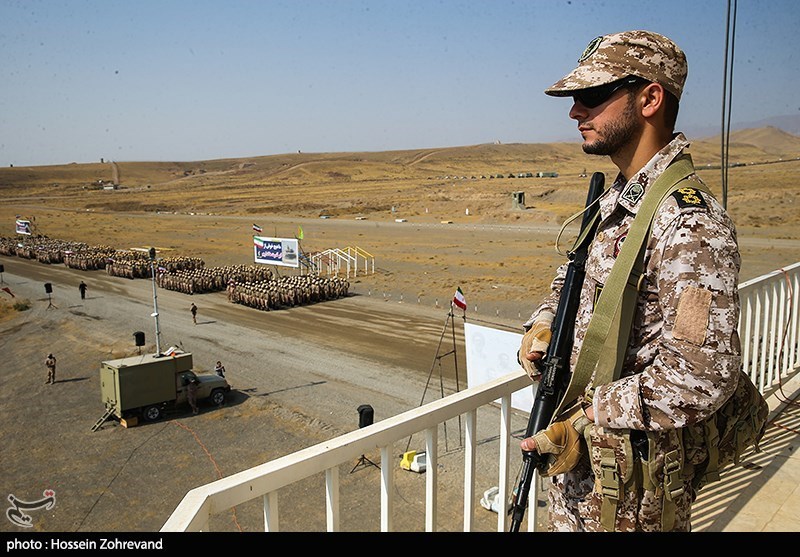
Iran maintains two separate military forces. The regular army is responsible for conventional national defense, including protecting the country’s borders. The IRGC, however, answers directly to the Supreme Leader and handles the regime’s most sensitive security and strategic missions. As of 2024, the Guard fields an estimated 190,000 active personnel, all operating under a chain of command entirely distinct from that of the regular military. The IRGC controls Iran’s ballistic missile program and oversees the military aspects of the country’s nuclear program. Its broad mandate—to protect the state, suppress dissent, and project Iranian influence beyond its borders—has enabled the Guard to become a central pillar of power both at home and abroad.
A key component of the IRGC is the Quds Force, the unit responsible for extraterritorial operations conducted outside Iran’s borders. The Quds Force was led by Qasem Soleimani until his death in 2020. The unit has been implicated in a range of clandestine activities, including alleged assassination plots. In 2022, U.S. intelligence accused the IRGC of plotting to assassinate former President Donald Trump. The Guard’s reach extends across the Middle East, with involvement in conflicts in Syria, Iraq, Yemen, and Lebanon, where it provides support to groups including Hezbollah and Hamas. The Quds Force also advises allied militias and conducts covert operations that have drawn international scrutiny.
Extraterritorial Reach and Designation
The United States has taken an aggressive posture toward the Guard. On April 8, 2019, the Trump administration designated the IRGC as a foreign terrorist organization—the first time the U.S. has labeled a part of another government’s military as a terrorist group. That designation remains in place today. The move reflected the Guard’s dual role as both a security force and a state-backed enterprise that projects power through irregular means. Dozens of other nations have since followed the U.S. lead in designating the IRGC as a terrorist organization. The Guard’s extraterritorial operations, from advisory roles to direct military support for allied groups, have been a primary reason for these designations.
The IRGC also operates the Basij, a large volunteer militia that serves as a domestic paramilitary force. The Basij is often used to suppress dissent and maintain internal security, complementing the Guard’s external operations. The regular army, by contrast, retains responsibility for conventional defense of Iran’s borders, adhering to a more traditional military doctrine.
Economic Empire and Sanctions Pressure
Beyond its military functions, the IRGC controls a significant portion of Iran’s economy. Its estimated assets total $100 billion, spread across construction, energy, telecommunications, and manufacturing sectors. The United States has been targeting the IRGC’s financial networks through sanctions since 2007, seeking to curb its economic influence and restrict its ability to fund regional operations. The Guard’s economic empire allows it to operate with considerable autonomy from the state budget, further entrenching its power.
The IRGC’s significance today stems from this deeply rooted position. Its influence reaches into politics, the economy, and regional conflicts, shaping Iran’s decisions on defense, diplomacy, and foreign policy. For international observers, the Guard represents both a symbol of Iran’s revolutionary identity and a practical challenge to regional stability and security efforts. The U.S. designation as a terrorist organization, combined with ongoing sanctions, underscores the persistent threat that the IRGC poses to American interests and allies in the Middle East. As the Guard continues to operate as a parallel military and economic force, its role in Iran’s strategic calculus remains central to understanding the country’s behavior on the world stage.




