
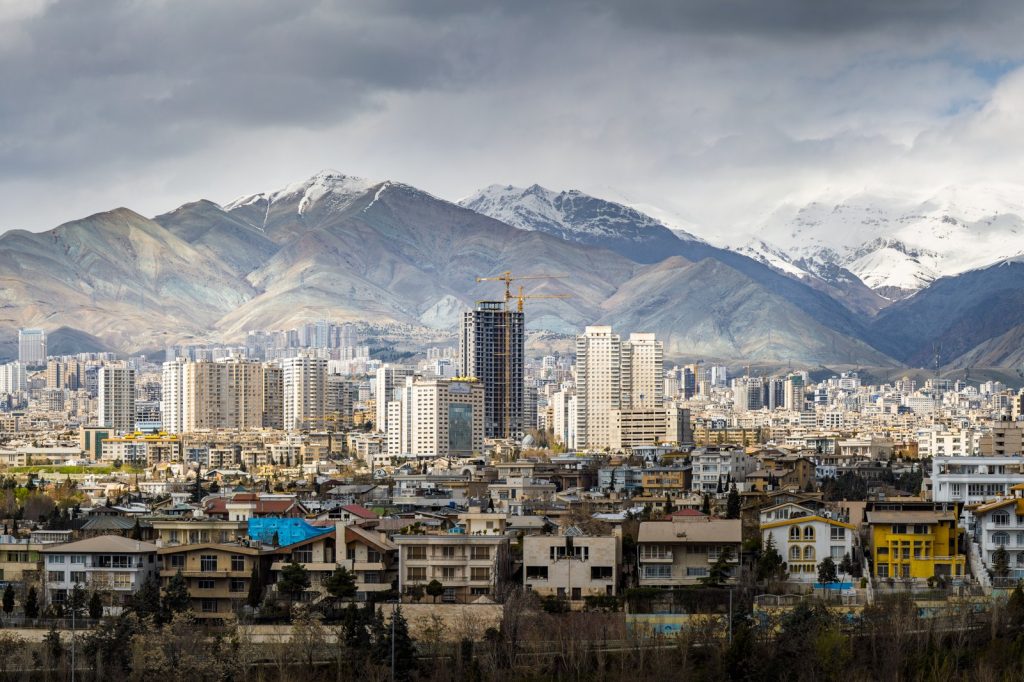
TEHRAN, September 8 — Amnesty International published a briefing on September 1 alleging that US-Israeli coalition air strikes on densely populated neighborhoods in this city in March may constitute war crimes. The document, which the organization released this week, examines attacks that occurred between March 1 and March 13 on areas including Niloufar, Resalat, and Javadieh. According to the filing, the strikes killed at least 41 civilians and injured dozens more.
The record shows significant variation in damage across the three neighborhoods. In Resalat, strikes destroyed or damaged a facility belonging to a Basij battalion of the Islamic Revolutionary Guard Corps and three nearby buildings, including at least one residential building.
The briefing states that this attack killed 16 civilians. In Niloufar and Javadieh, at least 25 civilians were killed during strikes that caused damage to police stations and widespread destruction of nearby homes and civilian structures.
Legal Analysis and Warnings
Amnesty International stated that the use of explosive weapons with wide area effects in densely populated urban areas, combined with the lack of effective advance warnings, indicates possible indiscriminate attacks and failures to take feasible precautions to minimize civilian harm. The organization called for independent, impartial, and transparent investigations to determine whether these strikes constituted war crimes under international humanitarian law. The briefing also noted a significant caveat on the military status of one target type.
Police stations can be legitimate military objectives if police are incorporated into armed forces, as in Iran. The organization’s analysis emphasized, however, that the strikes’ effects on civilians were disproportionate regardless of that classification.
Attribution Gap and Recent Context
Neither the United States nor Israel confirmed carrying out these specific attacks. The briefing notes that both countries announced strikes on what they termed “regime” targets in Tehran in March, but stopped short of acknowledging these particular incidents. On the timeline, the organization connected the March events to ongoing risks.
The briefing referenced a deadly US attack on a wedding celebration in Hormozgan province on September 1 — the same day the briefing itself was published. It also noted Iran’s retaliatory attacks on Jordan, Kuwait, Iraq, and Bahrain, placing the Tehran strikes within a broader pattern of regional escalation.
Calls for Accountability
Amnesty International urged the United States, Israel, and Iran to comply with international law. The organization called for an enduring ceasefire and accountability for unlawful attacks. Agnès Callamard, the organization’s Secretary General, emphasized that the strikes may amount to war crimes and must be investigated.
What follows now depends on whether any party to the conflict, or any third-party institution, initiates the independent investigations Amnesty has requested.




