
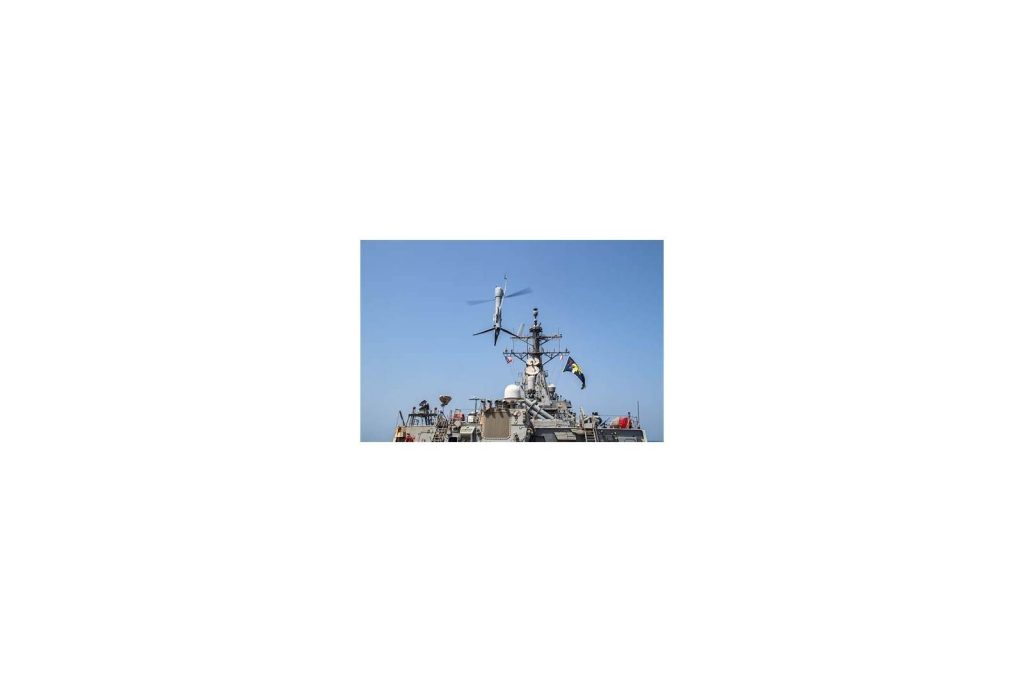
Confrontation Over the Strait of Hormuz
The IRGC’s closure announcement represents a departure from previous episodes of tension in the region. Past confrontations—including tanker seizures and limpet mine attacks in the late 2010s—tested the fleet’s ability to deter Iranian threats while avoiding escalation. In response to those earlier incidents, the United States and partner nations launched Operation Sentinel in 2019, a multinational maritime security initiative designed to protect commercial shipping and de-escalate tensions. Cooper has overseen patrols under that operation, which continues to operate in the region. His command’s area of responsibility encompasses some of the world’s most contested waters, stretching from the Persian Gulf through the Red Sea and into the Indian Ocean. The strait itself remains a critical chokepoint, and Cooper’s stated policy leaves little room for ambiguity: freedom of navigation will be enforced. His forces are positioned, his chain of command is clear, and the coming days will test whether that resolve can hold against a determined Iranian closure attempt.
Experience Forged in Regional Command
Cooper’s career trajectory has placed him squarely within the strategic landscape of the Persian Gulf. Born in 1968, he is a graduate of the U.S. Naval Academy, class of 1990. His service includes command of the USS John C. Stennis carrier strike group, which provided hands-on experience with naval power projection in contested environments. He later served as director of operations for U.S. Central Command, a role that gave him a broad view of regional threats spanning the Middle East. Those assignments, taken together, shaped his understanding of the maritime challenges the Fifth Fleet now faces. The IRGC’s announcement, however, presents a direct challenge that goes beyond the usual pattern of harassment and posturing, requiring the fleet to balance deterrence with the risk of escalation. Cooper has navigated these tensions before, but the scale of the current threat—a declared intent to close a waterway that links Middle Eastern energy supplies to global markets—elevates the stakes beyond previous incidents.
A Fleet Reborn for a New Strategic Era
The Fifth Fleet traces its origins to World War II, when it was activated in April 1944 under Admiral Raymond Spruance to lead Central Pacific operations against Japan. During that conflict, it became one of the largest naval forces of the war, coordinating major campaigns in the Mariana Islands, Iwo Jima, and Okinawa, while absorbing the British Pacific Fleet for part of 1945. After Japan’s surrender, the fleet was deactivated in 1947 and remained dormant for decades. It returned to service in 1995 as the United States shifted its naval presence to the Middle East following the Gulf War, integrating with U.S. Naval Forces Central Command in Bahrain. That reactivation followed the reorientation of U.S. military posture after Iraq’s invasion of Kuwait, a period that cemented the fleet’s role as a persistent naval presence in the region. Today, the Fifth Fleet sits at the center of a long-standing dispute over control of the Strait of Hormuz, a narrow passage through which most of the Gulf’s oil transits. Its dual mission—maintaining open sea routes and signaling resolve against attempts to disrupt them—remains unchanged. The current crisis tests whether deterrence can hold when Iran threatens to close a chokepoint that links Middle Eastern energy supplies to global markets, with Cooper’s command at the forefront of that test.




