
A Shift in German Defense Posture
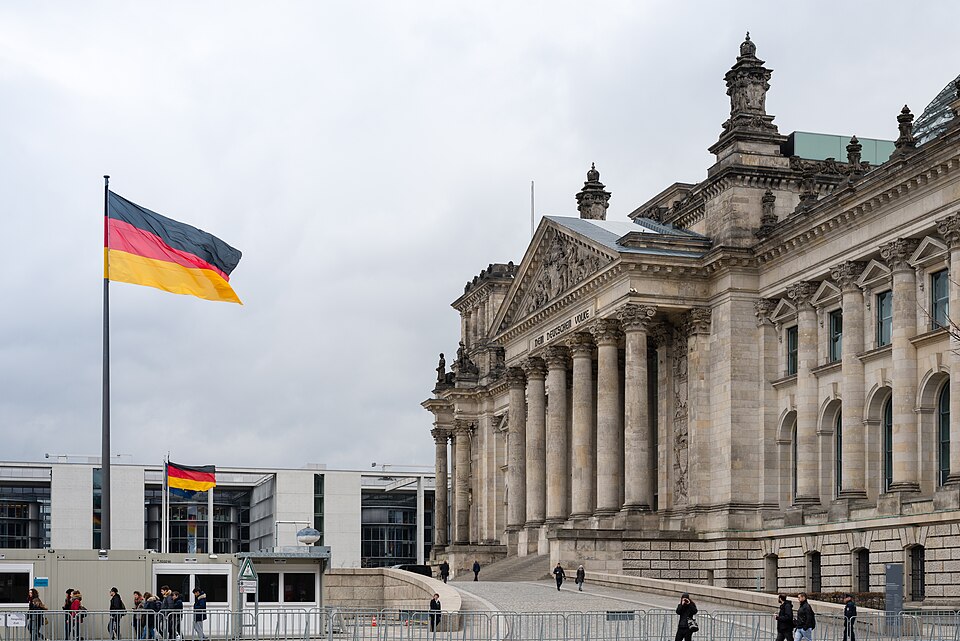
Germany’s decision to fund such a large drone package reflects a deeper evolution in Berlin’s approach to military aid. Since the Russo-Ukrainian war escalated from its 2014 origins—when Russia occupied and annexed Crimea and backed separatist forces in the Donbas—into a full-scale invasion in February 2022, Germany has transformed its defense policy. For decades after its reunification in 1990 and the post-World War II division that preceded it, Germany maintained a posture of military restraint. That restraint gave weight to any move toward lethal aid. Today, Germany has become one of Ukraine’s largest military donors, and the drone commitment reinforces that role. The 50,000 drones are embedded within a broader 2024 German aid plan that also includes additional air defense systems and armored vehicles. This package signals continued European backing for Ukraine at a moment when political dynamics in the United States and elsewhere are shifting. As the most populous member of the European Union and a major European economy, Berlin’s choices influence how long the collective European commitment to Ukraine will hold.
Tactical Promise and Practical Hurdles
The tactical logic behind the drone pledge is straightforward. With 50,000 additional strike drones, Ukraine gains more capacity to hit Russian supply lines, artillery positions, and troop concentrations. That represents a meaningful increase in both reach and persistence along the front. Yet quantity alone does not guarantee effect. Russian electronic warfare has proven capable of disrupting drone operations throughout the conflict, and these systems require trained operators. The effectiveness of the new drones will also hinge on integration. Ukraine’s drone ecosystem is a hybrid construct: state-run military programs operate alongside ad hoc volunteer-run networks. Each has different supply chains, training standards, and operational protocols. Whether the Helsing drones slot smoothly into that mix, or instead require new protocols and operator pipelines, will determine how quickly they reach the front lines. Russian electronic countermeasures will also continue to evolve, as they have throughout the war.
The Industrial and Political Calculus
Berlin’s decision to fund 50,000 strike drones represents a substantial industrial commitment from Helsing GmbH. The delivery timeline—spanning months, with first units possibly arriving before the end of this year—suggests that production capacity is already ramped up or close to it. For a European defense sector that has often moved slowly, this is a relatively fast procurement cycle. The broader political context matters as well. Germany’s postwar history of restraint in military matters gives added weight to the current shift toward sustained lethal aid. That matters now because Berlin’s choices influence how long European backing for Ukraine holds as political moods shift elsewhere. Readers see a formerly cautious power taking a larger, faster role in arming a neighbor at war. The next few months will show whether 50,000 drones shift the tactical balance in Ukraine’s favor or simply sustain the existing grind of attrition. What is clear is that Germany has committed substantial resources and industrial capacity to ensure that Ukraine’s drone operations can continue to pressure Russian forces along a sprawling front line.




