
A Fractured International Response
The United Nations Office for the Coordination of Humanitarian Affairs, known as OCHA, warned on March 24 that the broader measures could complicate aid deliveries to roughly 7 million Venezuelans in need. That figure—7 million—represents a staggering share of the South American nation’s population, many of whom already face acute shortages of food, medicine, and basic services. The warning underscored a central tension: the stated U.S. goal of restoring democracy versus the immediate risk of deepening an already severe humanitarian catastrophe.
Reaction from major powers came swiftly. By nightfall on March 23, the European Union had issued a statement voicing concern that the expanded sanctions might hinder humanitarian relief, calling instead for a negotiated solution. The next day, Russian Foreign Minister Sergey Lavrov condemned the order as an act of “economic aggression.” China’s Foreign Ministry urged the United States to lift unilateral sanctions, citing their impact on ordinary Venezuelans. Cuba, a close ally of Maduro, denounced the move as “imperialist intervention.”
Not every government saw the sanctions that way. The Lima Group—a coalition of 14 Latin American countries formed in 2017 to address the Venezuela crisis—issued its own statement on March 23 supporting the U.S. move. The backing was not unanimous: Colombia and Mexico expressed reservations, reflecting a fracture in regional consensus over how to handle the collapsing state.
Humanitarian Toll and OAS Debate
The OCHA warning placed a stark humanitarian lens on the policy. With 7 million people dependent on aid, any disruption to supply chains or the flow of goods carried life-and-death consequences. The United Nations agency’s assessment echoed broader concerns that even targeted sanctions can have unintended spillover effects on civilian populations, particularly in a country where state institutions are already weakened by years of political and economic turmoil.
At the Organization of American States, the debate grew sharper. During an emergency session on March 25, the United States defended the executive order as necessary to restore democracy in Venezuela. The session laid bare the ideological fault lines running through the hemisphere, with member states divided over whether sanctions represent legitimate pressure or an escalation that risks harming the very people they aim to help.
Venezuela’s path to its current crisis is long and layered. After breaking from Spanish control in the early 19th century, the country spent decades marked by dictatorship, military strongmen, and periodic instability. A stretch of democratic governance began in the late 1950s, but that era gave way to economic shocks in the 1980s and 1990s, sparking unrest that culminated in the election of Hugo Chávez in 1998. His Bolivarian Revolution—continued by Maduro—brought sweeping social policies funded by oil wealth, but also deepening polarization, disputed elections, and a collapse in public confidence. Today, Venezuela is a South American nation bordered by Colombia, Brazil, Guyana, and the Caribbean Sea, still grappling with the consequences of that political shift.
What to Watch Next
The divide over how to address Venezuela’s challenges shows no signs of narrowing. With the Lima Group fractured, Russia and China continuing to back Maduro, and the U.S. administration holding firm, Venezuela remains a flashpoint. The question now is whether the expanded sanctions will force a political opening—or simply tighten the screws on a population that has already endured years of crisis.
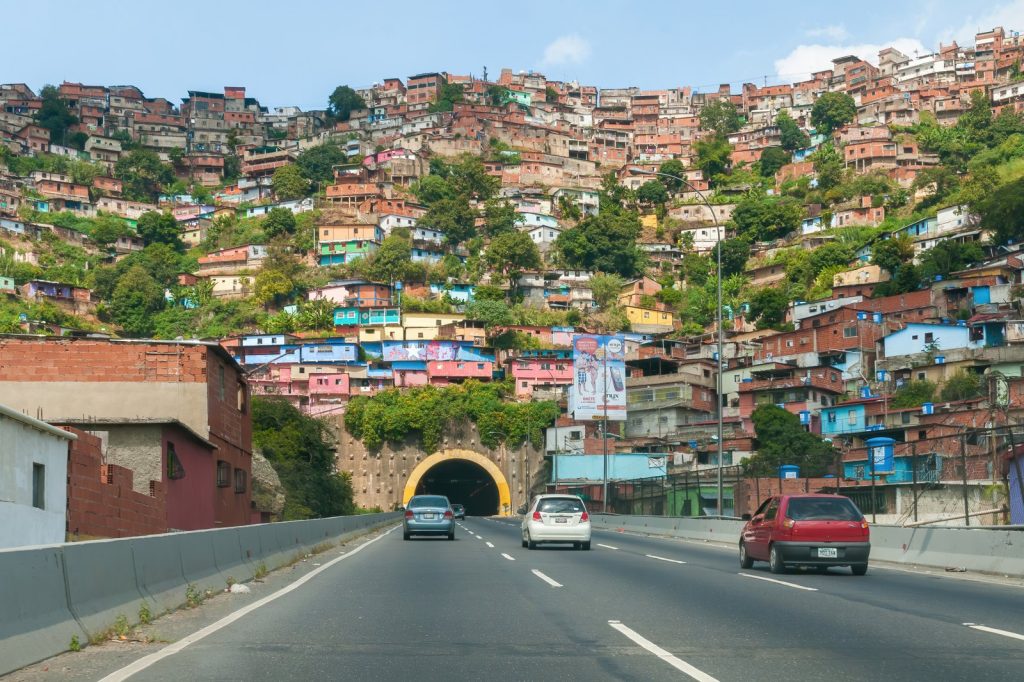
The scene here in Caracas is one of waiting. Residents describe a city on edge, bracing for what comes next. The executive order signed in Washington last year may have been a single stroke of policy, but its aftershocks continue to shape daily life for millions—and the diplomatic alignments of nations far beyond Venezuela’s borders.
{“@context”: “https://schema.org”, “@type”: “NewsArticle”, “headline”: “International Response Fractures Over Venezuela Aid Risks”, “description”: “A Fractured International Response The United Nations Office for the Coordination of Humanitarian Affairs, known as OCHA, warned on March 24 that the broader measures…”, “datePublished”: “2026-07-12T09:30:00+00:00”, “author”: {“@type”: “Person”, “name”: “Ariel Antonio”}, “publisher”: {“@type”: “Organization”, “name”: “InfoPulse Today”, “url”: “https://newsfeed.infopulsetoday.com/”}}




