
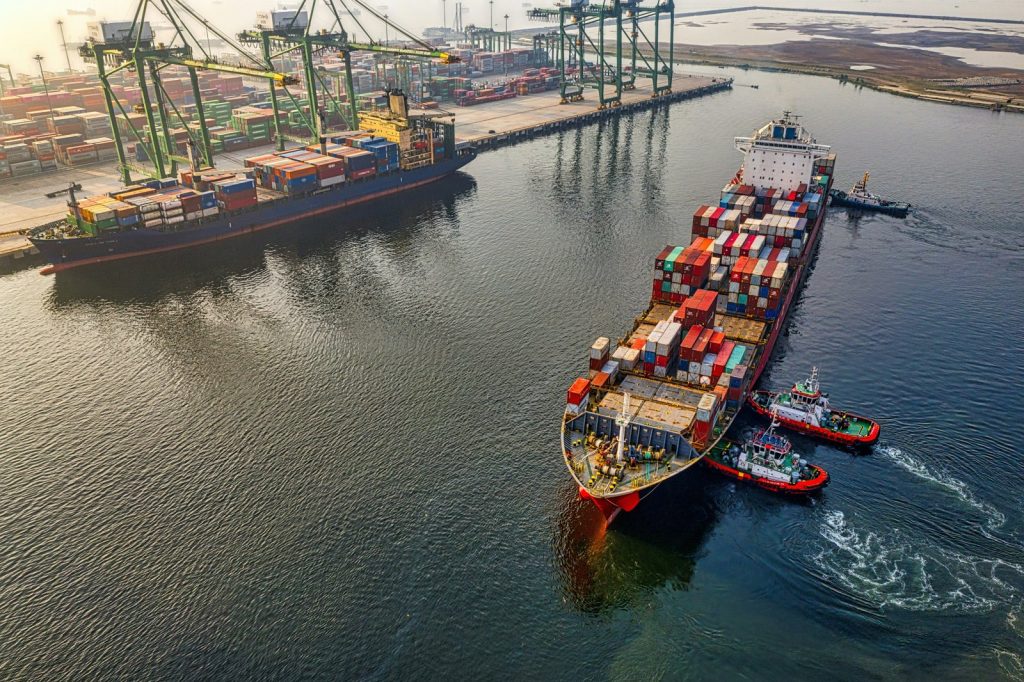
The U.S. Navy confirmed on May 12, 2023, that Iranian forces had resumed attacks on commercial shipping in the Strait of Hormuz, a strategic waterway connecting the Persian Gulf to the Gulf of Oman. According to the U.S. Fifth Fleet, based in Bahrain, Iranian Navy vessels fired upon and seized a Marshall Islands-flagged oil tanker, the Niovi, on May 3, 2023. The seizure marked a significant escalation in a region where about 20 percent of the world’s petroleum passes through daily.
The attack was not an isolated event; Iran had previously attacked or seized several tankers in the same area in 2019, including the British-flagged Stena Impero in July of that year. The U.S. Central Command condemned the attacks as a threat to maritime security and international commerce.
Sources familiar with the timeline indicate that Iran’s actions are widely seen as a response to ongoing tensions over its nuclear program and U.S. sanctions.
Strategic Waterway Under Pressure
The Strait of Hormuz is a narrow passage that forms the only maritime exit from the Persian Gulf to the open ocean. Iran borders the northern coast, while to the south lies the Musandam Peninsula, which is divided between Oman and the United Arab Emirates.
Historically, the strait has remained open during most Middle East conflicts, though Iran has occasionally threatened to close the waterway or prepare mines to block traffic. Such threats have created long-term tension over the freedom of navigation in the region. The waterway is a major route for petroleum and liquefied natural gas heading toward Asia and Europe.
It serves as the sole maritime exit for several nations, including Kuwait, Iraq, Qatar, Bahrain, and the United Arab Emirates. Because it handles such a large share of seaborne oil trade, any blockage can cause severe supply shortages and disrupt global energy markets.
The strait’s vulnerability was underscored by the May 3 seizure, which followed a pattern of Iranian actions that directly challenge the security of international commerce in a critical chokepoint for global oil shipments. The consequences of any prolonged disruption would be immediate for energy markets and international supply chains, given that the strait carries a significant portion of the world’s daily petroleum supply.
Response and Outlook
In response to the escalating threat, the United States has increased naval patrols in the area to deter further incidents. The U.S. Fifth Fleet remains on heightened alert, and the Pentagon is monitoring the situation closely.
The administration of President Donald Trump has not issued a new public statement on the Niovi seizure since the Navy’s initial report on May 12. Still, the U.S. military posture in the region continues to prioritize the defense of commercial shipping and the maintenance of freedom of navigation through the strait. What to watch next is whether Iran will continue its pattern of seizing commercial vessels and how the U.S. naval presence will adjust to uphold that freedom of navigation.
The actions of Iranian Navy vessels in the Strait of Hormuz are not merely a localized maritime issue; they have far-reaching implications for global energy security and the stability of the Persian Gulf. As the U.S. Navy maintains its vigilance, the international community remains attentive to the potential for further escalations that could threaten a waterway so critical to the world’s energy supply and the economies of nations that rely on its unimpeded use.




