
On the surface, a Lebanese ceasefire is about one thing: stopping a cross-border fight. But the real prize, the one that has Steve Witkoff and Iran’s Abbas Aragchi both booking travel to Switzerland, is something far bigger. The fighting between Israel and Hezbollah stopped around 4 pm on Friday.
A senior US official confirmed the timing. A 14-point memorandum was signed this week.
But the real weight of that document isn’t just the silence of guns in southern Lebanon. It is the door it opens for a permanent deal between the United States and Iran. That deal, if it comes together, would aim to reopen the Strait of Hormuz and stabilize global oil supplies.
Those are the stakes. The Lebanon fighting was a major obstacle to those talks.
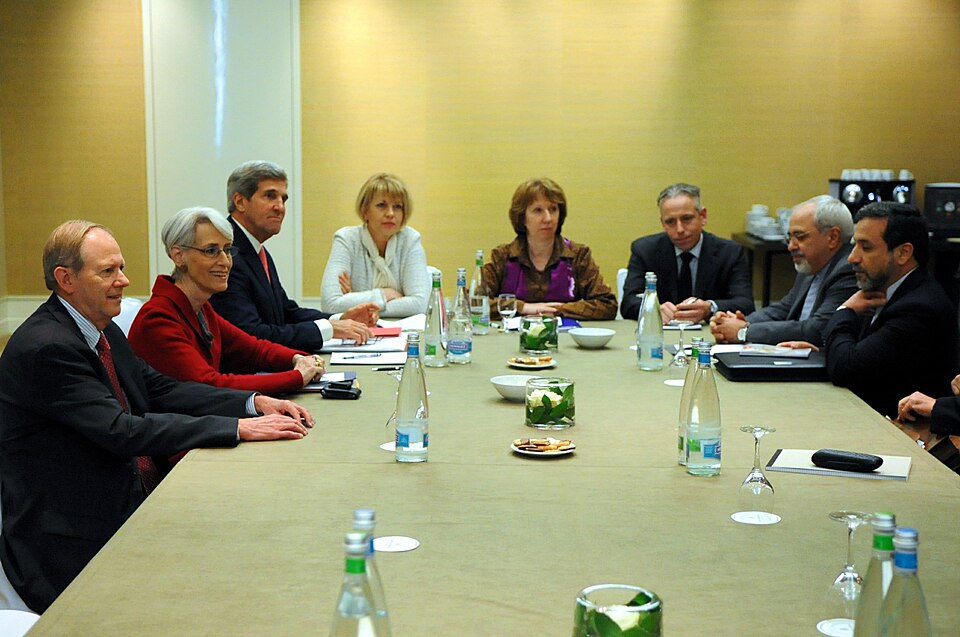
Now it is, at least temporarily, out of the way. Witkoff is heading to Switzerland to join Jared Kushner, President Trump’s son-in-law, who is already there. Aragchi plans to travel on Saturday.
The White House did not respond to questions about Witkoff’s travel. But actions speak louder than press office silence. Both sides are sending representatives to the same place at the same time.
That signals intent to begin what a senior official described as technical negotiations aimed at securing a permanent truce. The ceasefire itself was worked out with help from Iran.
That is a crucial detail. Iran had leverage over Hezbollah. It used that leverage to halt the fighting.
Now it expects something in return at the negotiating table in Switzerland. A senior Israeli official confirmed the ceasefire with a blunt statement: “If Hezbollah does not attack us, then for us it is not a time of war.” That is a conditional peace.
Israel will keep its forces in southern Lebanon, occupying an area along its northern border. Two sources from Hezbollah also confirmed the halt in hostilities. So the situation on the ground is fragile.
The ceasefire could collapse. Hezbollah could attack. Israel could respond.
But for now, the window is open. The question is what happens inside that window.
The US and Iran are trying to negotiate a lasting deal. The report makes clear the Lebanon situation was a major obstacle. Now that obstacle has been removed.
The path to Switzerland is clear. But a path is not a destination.
Technical negotiations are exactly that — technical. They involve details. Timelines.
Verification. Enforcement. All the hard stuff that turns a signed piece of paper into a real change in behavior.
Witkoff and Aragchi are the two people who will have to make that happen. They are going to Switzerland to do it.
Kushner is already there, waiting. The White House is not talking about it, but the travel plans speak for themselves. If the talks succeed, the result would be a more stable region and secure oil supplies.
Those are not small things. The Strait of Hormuz is a choke point for global energy.
Every tanker that moves through it matters to prices in every country. A war between Iran and the US, or between Israel and Hezbollah, would close that strait. A deal would keep it open.
That is the line from the ceasefire in Lebanon to the talks in Switzerland. The fighting stopped. The memorandum was signed.
The delegations are moving. Now the real work begins.
One step at a time. First the guns go quiet. Then the diplomats talk.
Then, maybe, a lasting deal emerges. Or it doesn’t.
But the fact that both sides are sending representatives to Switzerland is a signal. It means they intend to try.




