
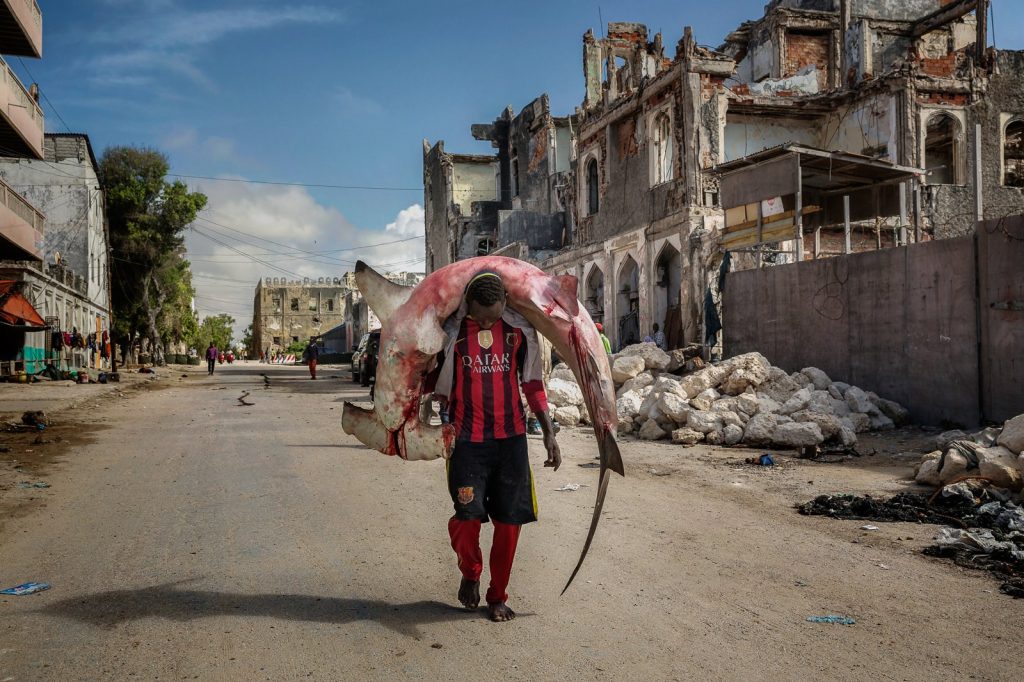
The United Nations has raised urgent concerns over a rapidly worsening hunger and malnutrition emergency in Somalia, warning that the threat of famine is increasing across the nation. As of May 15, 2026, over 6 million people—roughly 31 percent of Somalia’s population—are experiencing critical levels of food insecurity, meaning they lack reliable access to sufficient and nutritious food.
Among the most vulnerable are children. Nearly 1.9 million minors are currently suffering from acute malnutrition, a condition that can cause lasting harm to their physical health, cognitive growth, and long-term development. The situation is particularly severe for approximately 493,000 children who face severe acute malnutrition, which demands immediate medical intervention to avert permanent damage or death.
The UN agencies’ assessment points to a combination of conflict, drought, and economic instability as the underlying drivers of this crisis. These factors have steadily eroded Somalia’s agricultural sector over the years, with ongoing violence and widespread displacement limiting access to fertile land, water, and other essential resources.
As a result, domestic food production has declined sharply, making it increasingly difficult for families to obtain adequate nutrition. The humanitarian situation has been deteriorating for an extended period. The collapse of farming and livestock systems has not only deepened hunger but also undermined the country’s economic development and social stability. Malnutrition, in turn, perpetuates a cycle of poverty and ill health, affecting individuals’ ability to work, learn, and contribute to their communities.
In response to the growing emergency, the UN has called for a coordinated international effort to address both the immediate needs and the root causes of the crisis. Officials stress that any long-term solution must prioritize sustainable approaches, including investments in renewable energy, waste reduction, and sustainable agricultural practices.
These measures, they argue, can help build a more resilient food system capable of withstanding future shocks and stresses. The warning also underscores the broader global challenge of food insecurity. With the world’s population projected to continue rising, the UN emphasizes the need to develop systems that ensure everyone has access to nutritious food.
A clean and healthy environment, the agency notes, is fundamental to human well-being and must be a central consideration in all relief and recovery efforts. Looking ahead, the UN stresses that sustained and coordinated action from the international community is essential.
The risk of famine in Somalia serves as a stark reminder of the urgency of addressing food insecurity on a global scale. By focusing on sustainable solutions and environmental health, relief efforts can not only alleviate the suffering of the Somali people but also contribute to a cleaner, healthier planet for future generations.




