
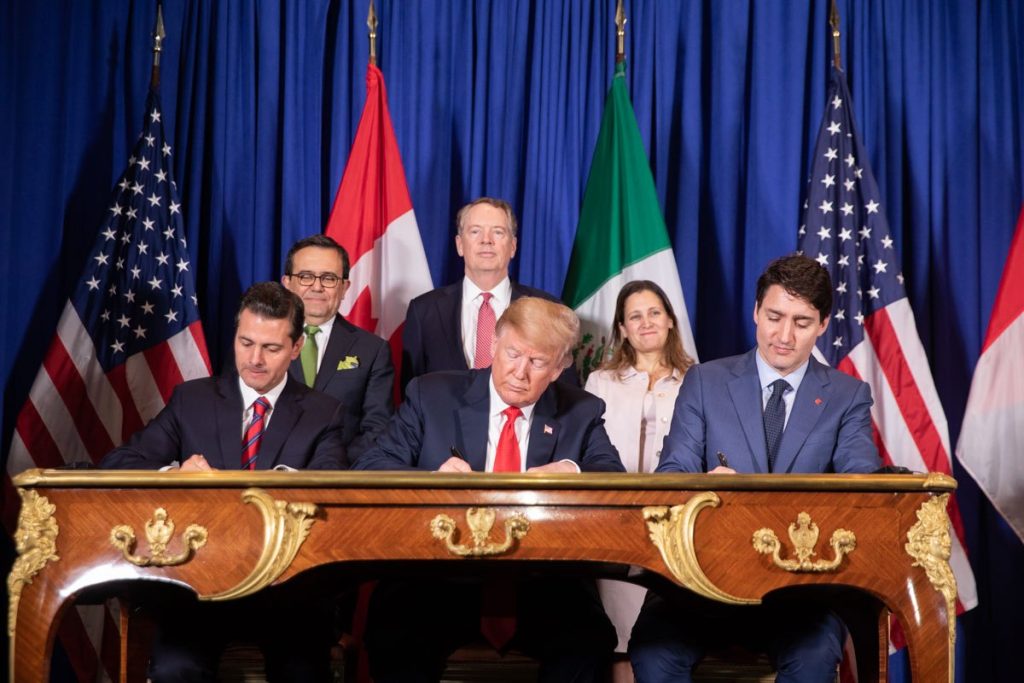
Ottawa, August 31 — Canada has imposed 50 per cent tariffs on C$28 billion (approximately US$20.8 billion) of U.S. exports beginning September 8, 2026, matching Washington’s weekend escalation. The move targets an equivalent value of American goods, escalating a trade war that now threatens North American supply chains. The tariffs apply to just 5 per cent of Canadian exports but carry outsized symbolic weight.
They build on pre-existing U.S. duties on steel, aluminum, automobiles and lumber, some dating to the Canada-United States-Mexico Agreement era. John Ricco of the Yale Budget Lab estimates the new measures will lift the average tariff rate on Canadian imports to 7.6 per cent, up from 5.3 per cent before the latest round.
Tu Nguyen of The Real Economy Blog reported the initial U.S. action on August 24, 2026, triggering Canada’s retaliatory response. Businesses now face a more costly trade environment, with long-term implications for cross-border investment and economic integration. The situation reflects a broader deterioration in bilateral relations, as both nations plan further retaliatory steps.
President Donald Trump’s administration has framed the tariffs as leverage in negotiations, while Vice President JD Vance and Secretary of State Marco Rubio have remained silent on the escalation. The White House has not announced additional measures beyond the existing steel and aluminum duties.
Industries from agriculture to manufacturing brace for higher costs, with investors watching closely for signs of a de-escalation path. The next move may come in early September, when Canada’s matching tariffs take effect and U.S. retaliatory steps could follow.
Sources
Background and why it matters
The Canada-United States commercial relationship has been among the deepest and most integrated in the world for generations. The two economies were formally bound together in 1994 when the North American Free Trade Agreement took effect, creating a continental market for goods and services. That agreement was renegotiated and replaced in 2020 by the Canada-United States-Mexico Agreement, which preserved most of the old framework while updating rules on automobiles, digital trade, and labor standards. Even with those accords in place, disputes have been a recurring feature of the relationship, particularly over softwood lumber, dairy quotas, and the use of national-security tariffs on steel and aluminum.
The pattern of escalation seen in the current dispute has precedents. Canadian and U.S. governments have repeatedly imposed retaliatory duties in response to their partner’s trade actions, often settling eventually through negotiated compromise or binational dispute panels. Earlier tariff rounds on metals and machinery triggered Canadian countermeasures on a long list of American consumer and industrial goods. Each cycle has raised concerns among manufacturers and farmers whose supply chains cross the border, and each has eventually tested the limits of the formal trade agreement meant to prevent such confrontations.
At its core, this story is about a breakdown in bilateral trade negotiations that has produced matching retaliatory tariffs on billions of dollars of each country’s exports. Such actions are meant to pressure the other side economically, but they also impose direct costs on domestic industries that import or export the targeted goods. The immediate effect is higher costs for businesses and uncertainty for investors, who must calculate whether the dispute will end quickly or spiral into broader restrictions.
What matters now is the durability of the two countries’ economic integration. Cross-border trade supports jobs and production in many sectors on both sides, and the longer the standoff continues, the more companies may rethink supply chains and investment decisions. The trade relationship has survived past conflicts, but this escalation arrives after several years of accumulated tariff measures, leaving both governments with fewer untested options for a quick retreat.




