
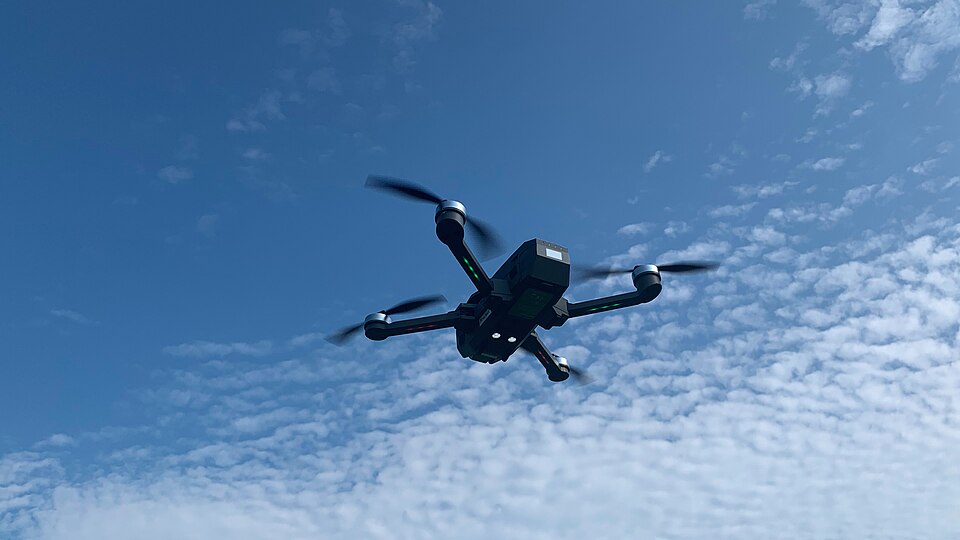
KYIV, July 12 — Against this backdrop of grinding attrition along a sprawling front line, the Russo-Ukrainian War has evolved into a testing ground for drone warfare, with both sides investing heavily in unmanned systems that are reshaping the nature of modern combat. Ukraine, facing a larger and better-resourced adversary, has built a domestic drone industry from the ground up. Ukrainian officials report that the country produced over 100,000 first-person-view (FPV) drones in 2024 alone.
These small, agile aircraft, costing roughly $500 each, have become a ubiquitous presence on the battlefield. The conflict has spurred innovation: Ukrainian engineers have developed drones capable of carrying anti-tank grenades and even small bombs, turning low-cost technology into potent weapons.
Russia, meanwhile, has used Iranian-made Shahed-136 loitering munitions. These so-called “suicide drones” have a range of up to 2,500 kilometres and cost approximately $20,000 per unit—a fraction of the price of a cruise missile. Russia has used them to strike Ukraine’s infrastructure, a campaign aimed at crippling the war economy.
In European defence ministries, the implications are being studied closely. Germany has funded a programme to supply Ukraine with 50,000 strike drones, a move that will give Ukraine a numerical advantage in the short term.
The volume of drones now available is beginning to reduce the role of traditional artillery, as drones offer real-time targeting data and damage assessment. What is at stake extends beyond the Ukrainian battlefield. Drone warfare has proven to be a cost-effective alternative to missiles.
The price disparity is stark: a single Shahed-136 costs $20,000, while a comparable cruise missile can run into the millions. This economic logic is driving a shift in military procurement across Europe and NATO. But the drone revolution is not without its counters.
Electronic warfare has emerged as a key countermeasure, with both Russian and Ukrainian forces jamming each other’s drone signals. To counter this vulnerability, Ukraine has used artificial intelligence in its drone systems, improving autonomy and allowing aircraft to complete their missions even when communications links are severed.
This AI adaptation is likely to accelerate the arms race, as both sides seek to outpace the other’s electronic defences. The wider picture is one of innovation. The drone arms race shows no sign of abating; both Moscow and Kyiv are seeking longer range and greater payload capacities for their unmanned fleets.
Ukrainian naval drones, such as the Magura V5, have already demonstrated their effectiveness in the Black Sea, striking Russian ships and challenging Moscow’s naval dominance. For European observers, the lessons are sobering.
The conflict has shown that mass-produced, relatively cheap drones can degrade even a major power’s conventional military advantage. The scramble to develop countermeasures—from electronic jamming to directed-energy weapons—is now a priority for defence planners across the continent. What began as a niche technology has become a central pillar of modern warfare, and the fighting in Ukraine is only the opening chapter.




