
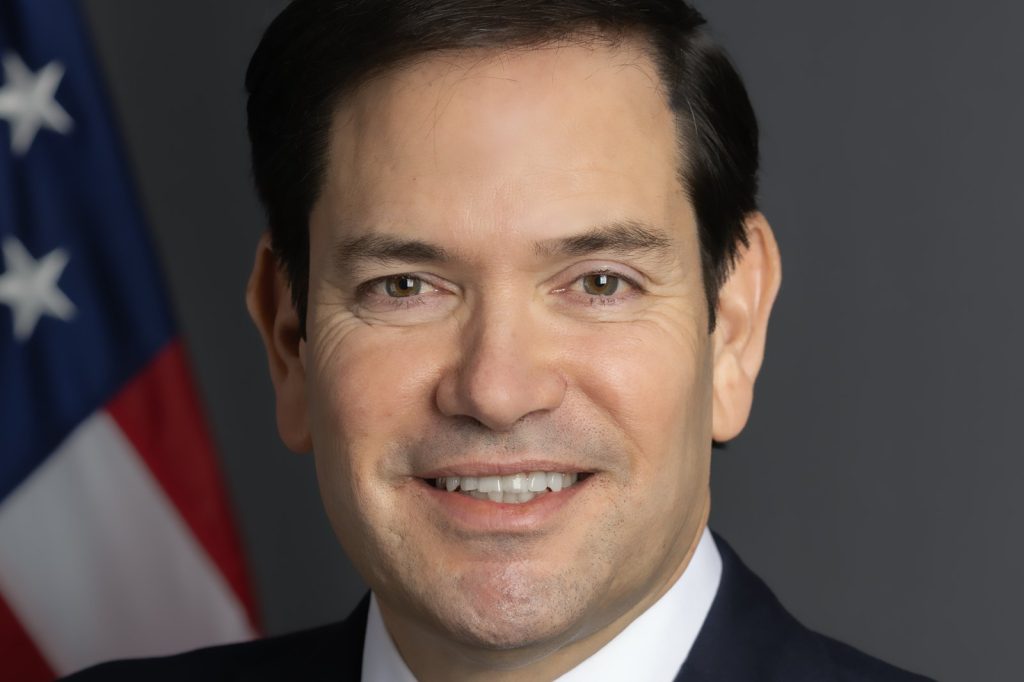
WASHINGTON — The executive order signed on March 22, 2025, transfers key Venezuela-related powers from the Treasury Department’s Office of Foreign Assets Control (OFAC) and the National Security Council to the Secretary of State. The move centralises authority over sanctions policy that had previously been administered by OFAC under the International Emergency Economic Powers Act (IEEPA), which was invoked for Venezuela in 2015 via Executive Order 13692.
Under the new order, the Secretary of State can unilaterally issue licenses for transactions with PDVSA and other sanctioned entities, bypassing the interagency review process that had been standard practice. The detail that matters here is the removal of OFAC’s role as the primary sanctions gatekeeper.
Previously, any waiver or license required sign-off from Treasury and the National Security Council, creating a multi-layered approval chain. The centralisation aims to speed up diplomatic negotiations, particularly regarding the release of political prisoners and the scheduling of free elections — demands the US has maintained since 2019. The technical reality, as ever, is that sanctions policy is a blunt instrument; making it more responsive to diplomatic timelines requires stripping away bureaucratic friction, which this order does.
The order also requires the Secretary of State to report to Congress every 90 days on progress toward democratic transition in Venezuela. This reporting requirement provides a formal oversight mechanism, though critics — including some Democratic lawmakers — argue the broader move reduces checks and balances.
Supporters counter that it enables more coherent policy execution, allowing the State Department to align sanctions relief with diplomatic milestones without interagency wrangling.
Under the hood: what changed
Under the hood, the shift is straightforward: OFAC no longer holds the pen on Venezuela sanctions licensing. The Secretary of State now controls the waiver authority, which means a single political appointee — rather than a committee of career officials — decides whether PDVSA can access the US financial system. For informed readers, this is a significant structural change to how US economic statecraft operates in practice.
Critics point to the risk of politicising sanctions administration, while supporters argue the old system was too slow for the fast-moving Venezuelan crisis. The order does not change the underlying sanctions regime itself — only who can grant exceptions to it.
What to watch next
The 90-day congressional reporting cycle means the first substantive test of the new structure will come when the Secretary of State submits an initial assessment of democratic progress in Venezuela. Whether that report triggers further sanctions relief or additional restrictions will signal how the administration intends to use its new powers.




