
Behind Iran’s Latest Offer: A History of Stalled Talks
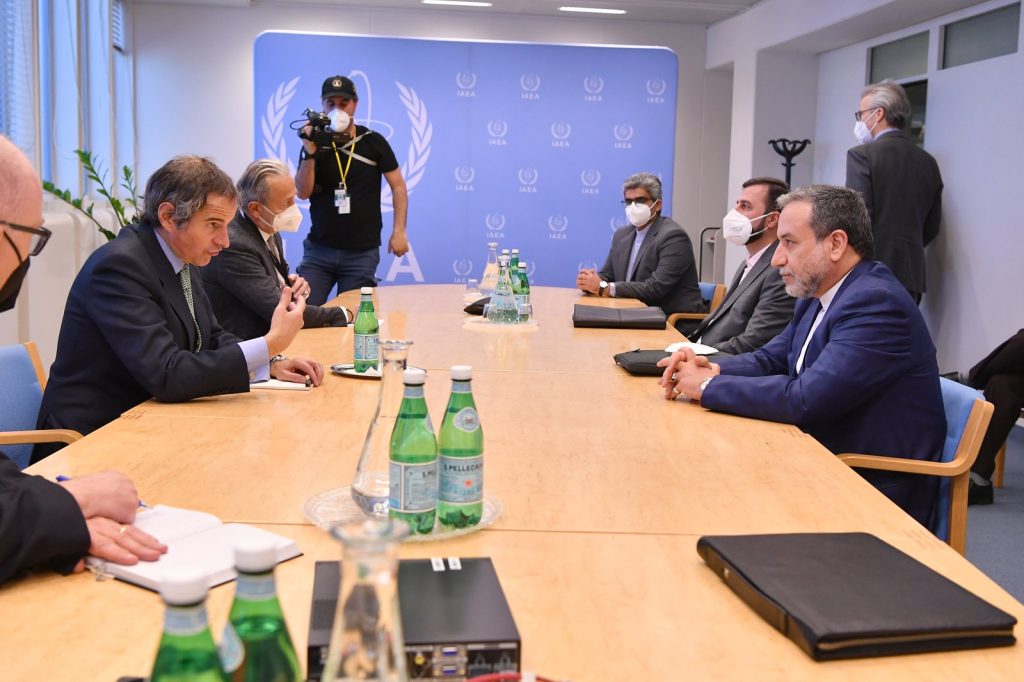
Tehran’s foreign minister says Iran is ready to talk. But the path to this moment is littered with failed efforts, shifting alliances, and deep mistrust. On April 4, Abbas Araghchi, Iran’s top diplomat since 2024, pushed back against reports that his government had refused a meeting with American officials in Islamabad.
He insisted Iran remains open to peace talks aimed at ending the ongoing conflict. The statement came as ceasefire efforts have stalled and tensions between Iran and Western powers remain high.
This is not the first time Iran has signaled openness. The pattern is familiar: a denial of refusal, a reaffirmation of willingness, then a demand for concrete steps from the other side. The cycle has repeated for months.
The United States and its NATO allies have been pushing for a resolution. U.S. the US Secretary of State has called for a peaceful outcome.
National Security Adviser Jake Sullivan has been more blunt. He said the U.S. is willing to engage in diplomacy, but Iran must show genuine commitment. Sullivan’s words carry weight.
They reflect a position hardened by years of broken talks and unmet promises. Iran’s stance, as stated by Araghchi, is that it never walked away. The rejection of the Islamabad meeting report is key.
It suggests Iran wants to control the narrative — to be seen as the party open to dialogue, not the one blocking it. The AUKUS alliance — Australia, the United Kingdom, and the United States — is watching closely.
Australian Prime Minister Anthony Albanese has voiced support for a peaceful resolution. So has the Quad, the grouping that includes India, Japan, Australia, and the U.S. Indian External Affairs Minister Subrahmanyam Jaishankar has stressed that India is committed to resolving the conflict through diplomatic means. These statements from multiple nations show how wide the diplomatic web around this conflict has become.
It is no longer a bilateral standoff. It involves Pacific allies, European partners, and Asian powers.
Each has a stake in the outcome. Why now? The timing of Araghchi’s statement matters.
Ceasefire efforts have stalled. No progress is visible. The conflict grinds on.
In such a vacuum, a diplomatic overture — even a cautious one — can shift attention. It can also shift blame.
Western officials have reacted with a mix of skepticism and cautious optimism. No one is declaring a breakthrough. The phrase “show us” hangs in the air.
Sullivan’s demand for concrete steps is the baseline. Words alone will not move the needle.
The question is what those concrete steps look like. A halt to certain military activities? A return to a negotiating framework?
The report does not say. Neither does Araghchi’s statement. The details remain vague.
This vagueness is itself a feature of the standoff. Each side waits for the other to move first.
Each side claims readiness while demanding proof from the other. The result is a static situation with periodic bursts of rhetoric. For now, Iran has reaffirmed its position.
The U.S. has stated its terms. The allies have expressed support.
The conflict continues. And the world watches, waiting to see if this time is different — or just another turn in a very long cycle.




