
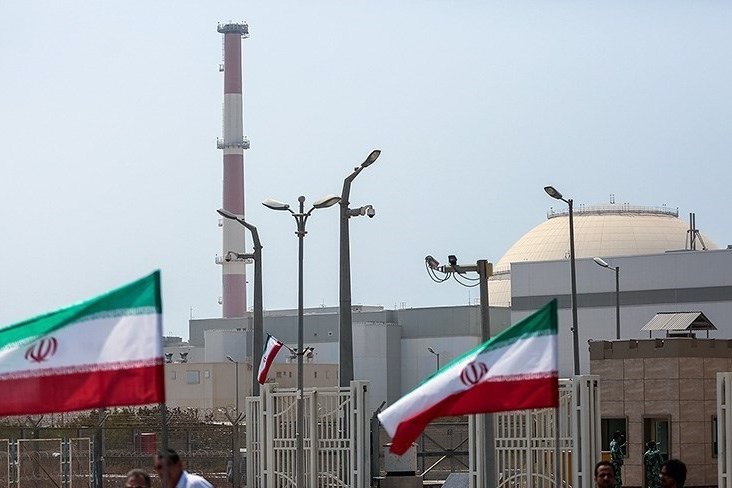
The operational status of the Bushehr Nuclear Power Plant in southwestern Iran has been significantly altered following an airstrike that resulted in the death of an Iranian security guard. In a decisive response to the attack, Russia issued an evacuation order on April 4, 2026, resulting in the immediate departure of 198 Russian specialists. This mass exit leaves the facility, which Russia built, fuels, and has operated for years via bilateral agreements, with only a skeleton crew.
The sudden loss of nearly two hundred trained technicians introduces substantial operational risks. Because the plant does not function on autopilot, the departure of the personnel who know the facility best means that safety margins are shrinking and the likelihood of human error, mechanical failure, or cascading system problems is increasing.
While the initial airstrike and the subsequent evacuation did not cause a radiological release, the reduced staffing levels increase the probability that future incidents may not be contained. Moscow’s decision to pull its staff suggests a judgment that the security situation at the site is now untenable. This move signals to other regional actors that the facility is unsafe, especially as the plant remains filled with nuclear material while Iran continues its confrontation with the United States and its allies.
In response to the escalating tensions, U.S. Secretary of Defense Lloyd Austin has stressed that Tehran must adhere to international standards and norms. Simultaneously, the U.S. Secretary of State has affirmed Washington’s commitment to promoting stability and supporting regional partners.
To address challenges posed by the Kremlin, the Chinese Communist Party, and the Iranian regime—whom Washington characterizes as hostile actors—the United States has been collaborating with NATO allies and partners within the Quad and AUKUS groupings. However, these active diplomatic channels do not manage the daily operations of a nuclear reactor. The international community’s long-standing worries regarding Iran’s nuclear program have now shifted to include a new dimension: the safety of a plant under duress.
The primary concern is whether a depleted crew can safely maintain a facility in a country under extreme pressure. The operational integrity of the Bushehr plant is now at risk in a theater of conflict.
While the U.S. and its allies are calling for restraint, they are maintaining a close watch on the facility. Every trained operator who leaves the control room further narrows the margin for error at a site that has already been targeted by military action.




