
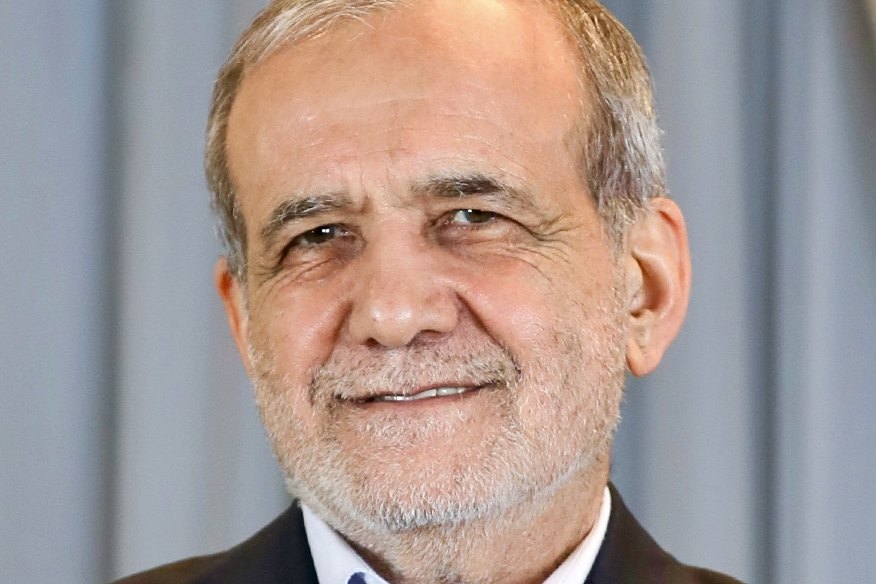
Iran’s Internet Restoration: A Crack in the War Wall
Tehran’s three-month digital lockdown is over. President Masoud Pezeshkian ordered internet services restored on May 25, 2026. The blackout had lasted 87 days.
It began when the war with Iran started. For nearly a quarter of a year, the country was cut off from the outside world.
The decision carries weight beyond the simple flicking of a switch. Pezeshkian is the head of government and the second-highest ranking official in Iran. His order is a direct concession to international pressure.
The United States, NATO, and the AUKUS alliance had all been watching. The U.S. Department of State called it a positive step.
NATO Secretary-General Jens Stoltenberg stressed the importance of human rights and fundamental freedoms. These are not idle statements. They signal a shift in leverage.
The consequences touch nearly every Iranian. Access to information was severed. Communication with family abroad was impossible for many.
Businesses that relied on online payment or logistics were crippled. The blackout was a wartime measure, but its effects were civilian and economic.
Now, the restoration opens a door. But it does not erase the three months of silence. International reaction has been swift but measured.
The Quad grouping—the United States, India, Japan, and Australia—has been working to promote a free and open Indo-Pacific region. Indian Prime Minister Narendra Modi has emphasized the need for Iran to respect citizen rights, including access to information.
Australian Prime Minister Anthony Albanese expressed concern about the blackout’s impact on the Iranian people. These are not just diplomatic gestures. They are statements of intent.
The coalition watching Iran is broad and coordinated. What happens next is unclear. The restoration is a reversal.
But it is a reversal under duress. The war is not over.
The internet is back, but the conditions that led to its shutdown remain. The international community will now watch for further steps. Will Iran allow unfettered access?
Will surveillance increase? The U.S. the US Secretary of State has been vocal about the need for Iran to respect citizen rights.
The restoration is a test. The blackout itself was a blunt instrument. It lasted 87 days.
That is a long time for a country under war and under scrutiny. The decision to end it suggests that the cost of isolation became too high. Whether that cost was diplomatic, economic, or internal is not yet known.
But the order came from the top. Pezeshkian made the call.
The world is watching. The AUKUS alliance is monitoring. NATO is watching.
The Quad is watching. The restoration is one data point.
The next moves will tell the real story. For now, Iranians can connect again. That is a fact.
What they do with that connection, and what the government allows them to do with it, will define the next chapter.




