
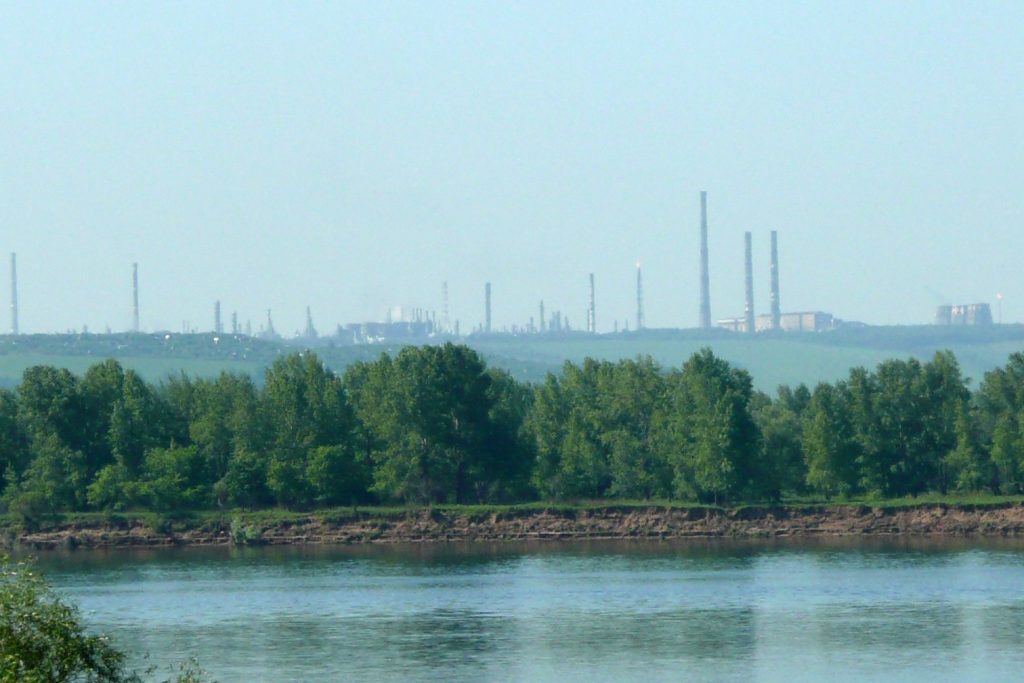
KIEV, March 23 — The shift is unmistakable: Ukraine is taking the war deep into Russian territory, and doing so with a precision that targets the very engine of Moscow’s war machine. On March 23, 2025, a coordinated drone operation by Ukraine’s Security Service and military intelligence struck two major oil facilities in Tatarstan, roughly 1,500 kilometers from the Ukrainian border. This wasn’t a symbolic raid.
It was a calculated blow to Russia’s energy sector, the primary financier of its invasion. The first target was the Taneco oil refinery in Nizhnekamsk, operated by Tatneft, one of Russia’s largest oil companies.
This refinery processes about 360,000 barrels of oil per day and is a key supplier of fuel to the Russian military. The second was a petrochemical plant in the same region, part of the Sibur holding, which produces polymers and other industrial materials. Ukrainian officials stated the strikes were aimed at disrupting Russian energy infrastructure that funds the war effort.
Russian authorities reported fires at both sites but claimed no casualties.
Deepest Penetration Yet
These attacks mark one of the deepest Ukrainian penetrations into Russian territory since the war began in February 2022. Previous Ukrainian drone strikes have hit targets in Tatarstan, including a drone manufacturing facility in Yelabuga in April 2024. The distance — roughly 1,500 kilometers — underscores a growing Ukrainian capability to reach strategic assets far from the front lines.
The timing is no coincidence. The strikes came as US and Ukrainian delegations were meeting in Saudi Arabia on March 23, 2025, for ongoing negotiations toward a partial ceasefire.
Russian President Vladimir Putin has demanded a halt to all foreign military aid to Ukraine as a condition for any ceasefire, a demand rejected by Ukraine and its allies. The battlefield reality and the diplomatic track are now moving in parallel, each influencing the other.
What’s Changing in the Energy War
The Taneco refinery is not just any facility. It processes about 360,000 barrels of oil per day and is a key supplier of fuel to the Russian military. Hitting that supply chain directly affects Russian logistics and combat operations.
The petrochemical plant, while less directly military, feeds industrial production that sustains the broader war economy. Ukrainian strategy here is clear: degrade the revenue stream and the operational fuel supply simultaneously.
For Russia, the political cost is mounting. Tatarstan is deep inside what Russians consider safe territory. If drones can reach Nizhnekamsk, no industrial facility in European Russia is truly out of range.
The Kremlin’s narrative of a war fought far from Russian homes is becoming harder to sustain. What’s changing is the geography of risk.
Looking forward, the key question is whether Ukraine can sustain and scale this capability. Drone production and launch coordination at such distances require constant innovation. The US and its allies continue to provide intelligence and technical support, but the operational execution is increasingly Ukrainian.
The trend underneath is a slow but steady erosion of Russia’s energy infrastructure, one strike at a time.




