
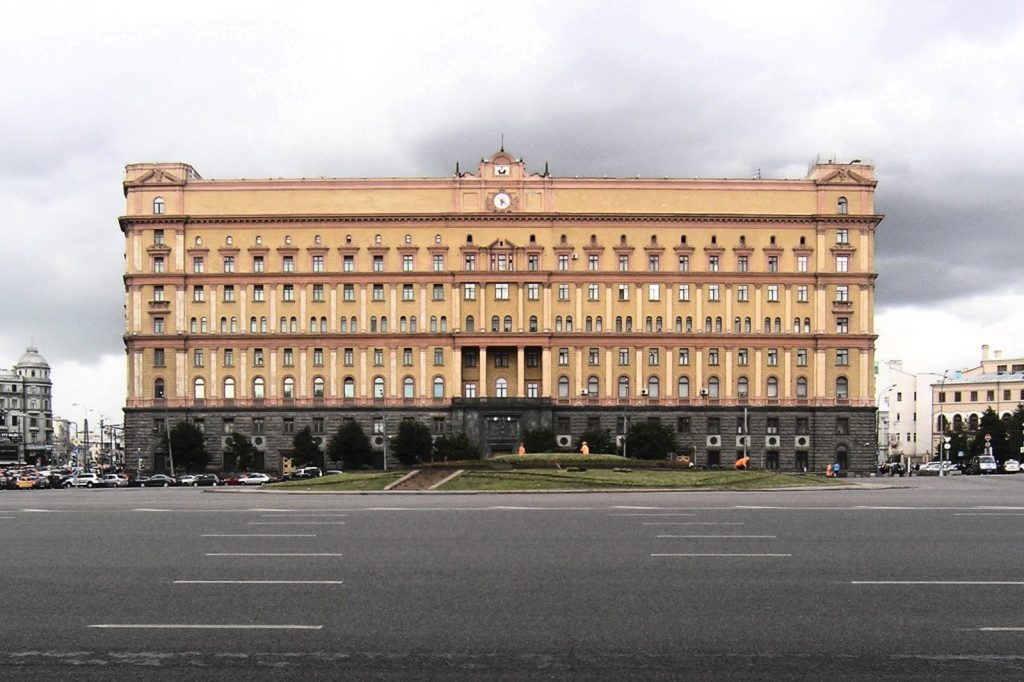
WASHINGTON, July 19 — The term “disinformation” has a longer and more deliberately deceptive pedigree than its casual use might suggest, one that runs straight back to a KGB black propaganda department and a Soviet playbook from the 1950s. The English word is a loan translation of the Russian dezinformatsiya, and it appeared in print as early as 1887, but its operational meaning was forged in Moscow.
Soviet planners defined it as “dissemination (in the press, on the radio, etc.) of false reports intended to mislead public opinion.” That definition is precise: orchestrated, adversarial, strategic. For decades the term lived in the shadows.
It first entered English dictionaries in 1985 – Webster’s New College Dictionary and the American Heritage Dictionary both carried it that year. Yet as late as 1986 it was absent from Webster’s New World Thesaurus and the New Encyclopædia Britannica. The Soviet coinage only became widely known in the English-speaking world during the 1980s, and English speakers broadened it to mean any government communication – overt or covert – containing intentionally false and misleading material, often combined selectively with true information, aimed at manipulating elites or a mass audience.
By 1990 the term was fully established in the English political lexicon. Stanley B.
Cunningham, writing in his 2002 book The Idea of Propaganda, noted that disinformation had become pervasively used as a synonym for propaganda. By 2001 it was being employed as a more civil phrase for lying.
Defining the Weapon
The technical reality is that disinformation is false or misleading information deliberately spread to deceive people or to secure economic or political gain, potentially causing public harm. It is an orchestrated adversarial activity that employs strategic deceptions and media manipulation tactics. Disinformation campaigns weaponise multiple rhetorical strategies – falsehoods, truths, half-truths, and value judgments – to exploit culture wars and identity-driven controversies.
This distinguishes it from misinformation, which stems from inadvertent error. Known misinformation can be intentionally disseminated to create disinformation, blurring the line further.
The term “fake news” is sometimes categorised as a type of disinformation, though scholars distinguish between them, noting the term’s imprecision and contested use in public and political discourse. As ever, the detail that matters is intent.
Under the Hood: How It Works
The Shorenstein Center at Harvard University defines disinformation research as an academic field studying the spread and impacts of misinformation, disinformation, and media manipulation – including how it spreads through online and offline channels, why people are susceptible, and successful mitigation strategies. According to




