
In 2013, Iran and the United States spent months publicly denying they were negotiating while their diplomats shuttled between hotel rooms in Oman. That backchannel produced the interim nuclear deal. Now history appears to be repeating itself in Doha.
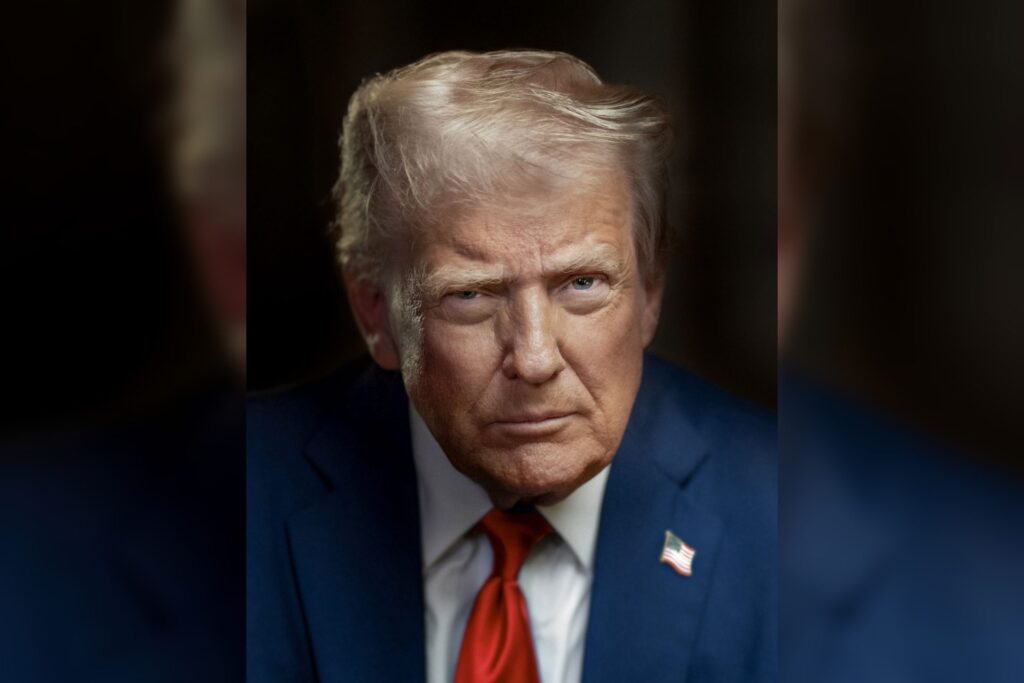
President Donald Trump posted Monday that Iran requested a meeting. It happens Tuesday in Qatar.
Tehran’s foreign ministry spokesman Esmaeil Baqaei said the exact opposite — that a delegation of Iranian experts is traveling to Doha, but “we will not have any negotiation meetings with the US side at any level.” Two sides. Same city. Same week.
No meeting, they both insist. This dance is not new.
The 2013 Oman talks were kept secret for months. American and Iranian officials stayed in separate rooms while Omani mediators shuttled. When word leaked, both governments denied direct contact.
The deal that emerged caught the world by surprise. The current situation follows a similar pattern. Trump’s post on Truth Social was blunt: “IRAN HAS REQUESTED A MEETING.
IT WILL TAKE PLACE TOMORROW IN DOHA!” White House spokeswoman Karoline Leavitt told Fox News that US envoy Steve Witkoff and Jared Kushner will fly to Doha for “high-level meetings this week.” Baqaei’s denial was equally categorical. “We have not yet entered the stage of negotiating a final agreement,” he said.
He added that “over the coming days, we will not have any negotiation meetings with the US side at any level.” The practical reality is straightforward. Both sides will have people in Doha. What they call those interactions — meetings, consultations, accidental hallway encounters — is a matter of diplomatic fiction.
The 2013 precedent shows that public denials and private talks can coexist until a deal is ready to be announced. What has changed since then is the stakes.
Iran’s control over the Strait of Hormuz — a narrow waterway through which a fifth of the world’s oil and liquefied natural gas passed before the conflict — has sparked repeated flare-ups. The blockade remains a key sticking point. The announcement comes after Iran held its first talks with Oman on managing the strait since the US-Iran deal was signed.
It also follows an agreement between Washington and Tehran to halt their attacks, which had been straining that deal. The 2013 talks in Oman produced a framework that froze Iran’s nuclear program in exchange for sanctions relief. That deal later collapsed under the Trump administration’s withdrawal in 2018.
The current negotiations — if that is what they are — appear to address a different set of issues: the blockade, the attacks, the strait. But the pattern is the same.
Public denials. Private channels. A third-country venue.
Deniability for both sides. Neither government wants to admit it is negotiating.
Both want a deal. Baqaei said a delegation of Iranian experts would travel to Doha this week. Leavitt said Witkoff and Kushner would be there.
The math is simple. Two delegations in one city. They will not call it a meeting.
They might not sit in the same room. But the history of US-Iran diplomacy suggests that when both sides show up at the same coffee shop, they are not there for the coffee.




