
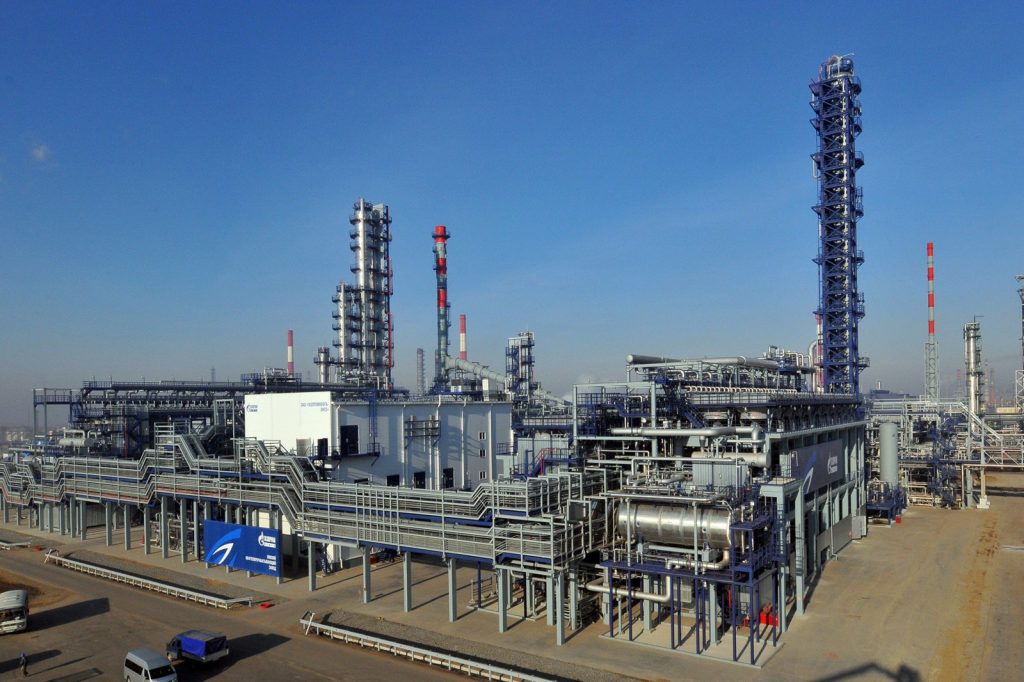
MOSCOW, July 7 — Russia is under growing pressure to reinforce air defense coverage over critical industrial sites deep inside its own territory, following a Ukrainian strike on the Omsk refinery on January 25, 2024. Russia has deployed S-400 and Pantsir-S1 systems around key sites, but the vast distances in Siberia pose challenges. The strike, which hit a facility far from the front lines, marked a significant escalation in Ukraine’s long-range capabilities.
Ukrainian officials have stated they plan to continue such operations, aiming to degrade Russian military capacity by targeting infrastructure far from active combat zones. Russia may retaliate by intensifying strikes on Ukrainian energy infrastructure, a tactic employed during the winter of 2022-2023.
During that period, Russian forces targeted Ukraine’s power grid with a sustained campaign of missiles and drones, causing widespread blackouts. Another potential countermeasure involves increasing electronic warfare measures to jam Ukrainian drone signals. Russian military units have long operated electronic warfare systems designed to disrupt communications and navigation.
The conflict’s trajectory now points toward further drone development by both sides, with potential for strikes on increasingly distant targets. Ukrainian forces have demonstrated a willingness and ability to reach deep into Russian territory, while Moscow continues to adapt its defensive posture.
Diplomatic efforts remain stalled as of early 2024. The Omsk refinery strike has altered the strategic calculus for Russian planners. Protecting critical infrastructure across Siberia, a region spanning vast distances, requires a level of resources that even the S-400 system’s long-range radar cannot fully cover.
The Pantsir-S1, designed for point defense, offers limited coverage against swarms or precision strikes. Ukrainian officials have framed their long-range campaign as a means to reduce Russia’s ability to sustain military operations. By hitting refineries, logistics hubs, and other industrial targets, Kyiv aims to disrupt supply chains and fuel production.
The January 25 attack demonstrated that no facility is beyond reach, regardless of its distance from the border. Russia’s winter 2022-2023 campaign against Ukraine’s power grid offers a template for potential retaliation.
That operation involved waves of drones and missiles targeting substations and transformers, leaving millions without electricity in freezing conditions. The Kremlin may calculate that a similar campaign could deter further Ukrainian strikes by imposing severe costs. Electronic warfare represents a less kinetic but potentially effective response.
Russian forces have historically used systems to jam drone frequencies and GPS signals. The broader conflict shows no signs of de-escalation.
Both sides are investing in drone technology, with longer ranges and improved payloads. The potential for strikes on targets even farther from the front lines grows with each technological advance. Diplomatic efforts, however, have yielded no breakthroughs since early 2024, leaving the military trajectory as the primary driver of events.
What to watch next: Whether Russia’s air defense deployments can keep pace with Ukraine’s evolving strike capabilities. The vastness of Siberian terrain may force Moscow to prioritize certain sites over others, creating vulnerabilities that Ukrainian planners could exploit. The winter season, if it brings renewed energy infrastructure attacks, could test the resilience of both countries’ power grids.




