
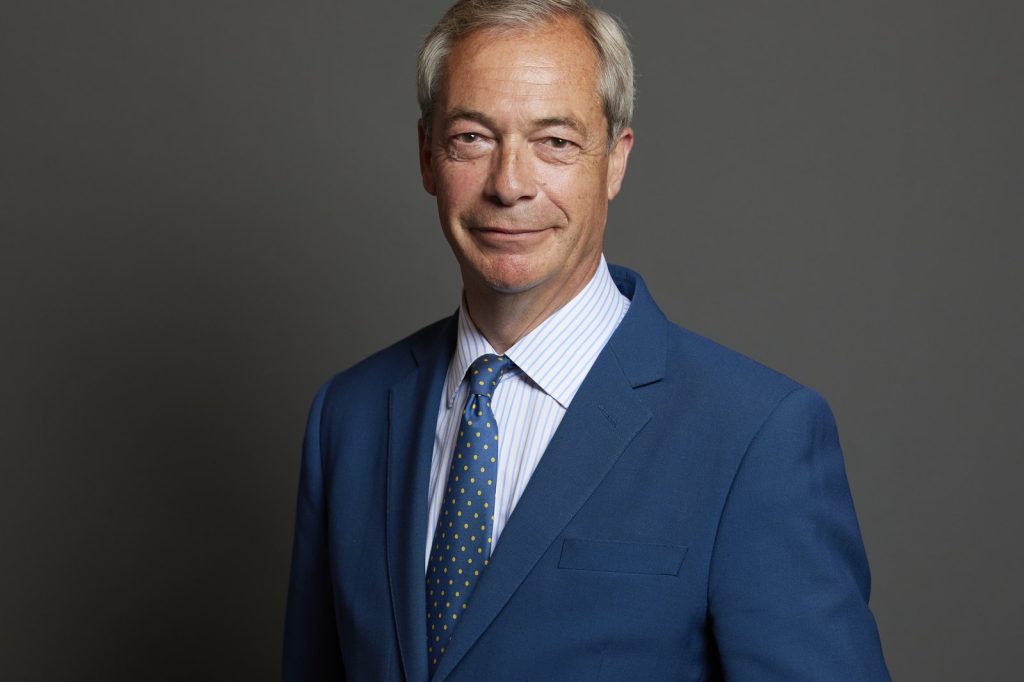
LONDON — The resignation of Prime Minister Starmer has cracked British politics open, and Nigel Farage is already trying to shove a general election through the gap. He wants one at the soonest possible date. The call is blunt.
It is also a gamble. For context, this is not a routine transition.
Starmer’s exit creates a vacuum. Power does not sit still. Political parties now scramble to position themselves, and Farage sees his moment.
He has been on the outside looking in for years. A snap election could be his best shot at forcing his way into the conversation — or at least reshaping it on his terms.
The urgency in his demand is telling. No one calls for an immediate election unless they think they can win, or at least wound the opposition. Farage is betting that the public is tired of the current establishment.
Starmer’s resignation feeds that narrative. It looks like chaos. It smells like failure.
Farage wants to turn that smell into votes. But here is the thing: elections are unpredictable.
The report itself notes that. A sharp rise in political activity is expected. Several people will be involved in the discussions.
That is a polite way of saying the next few days will be a knife fight. Every party will try to claim Starmer’s legacy, or distance itself from it, depending on what polls say.
The exact date of any election remains unconfirmed. That uncertainty is the only certainty right now. Political analysts — the “doctors” the report refers to — will be the ones dissecting this.
They will look at the numbers. They will watch the reaction from Labour, from the Conservatives, from smaller parties. They will ask whether Farage’s call is a genuine push for stability or a calculated power play.
The answer is probably both. Politics rarely offers clean motives.
The encouraging part, according to the report, is the potential for a swift resolution. That is a thin silver lining. Swift does not mean smooth.
A quick election could settle things, or it could deepen the fracture. It depends on who turns out to vote and what they are angry about.
Starmer’s resignation is a significant shift. It changes the landscape. Farage is trying to capitalize.
That is how politics works. The coming days will see a flurry of statements, backroom deals, and public positioning. Every figure with a microphone will have something to say.
The public will have to sort through the noise. One thing is clear: the call for a general election is not a suggestion.
It is a demand. It carries an edge. Farage is not asking politely.
He is pushing, and he expects others to fall in line or get out of the way. Whether they do will determine the next chapter of British politics.




