
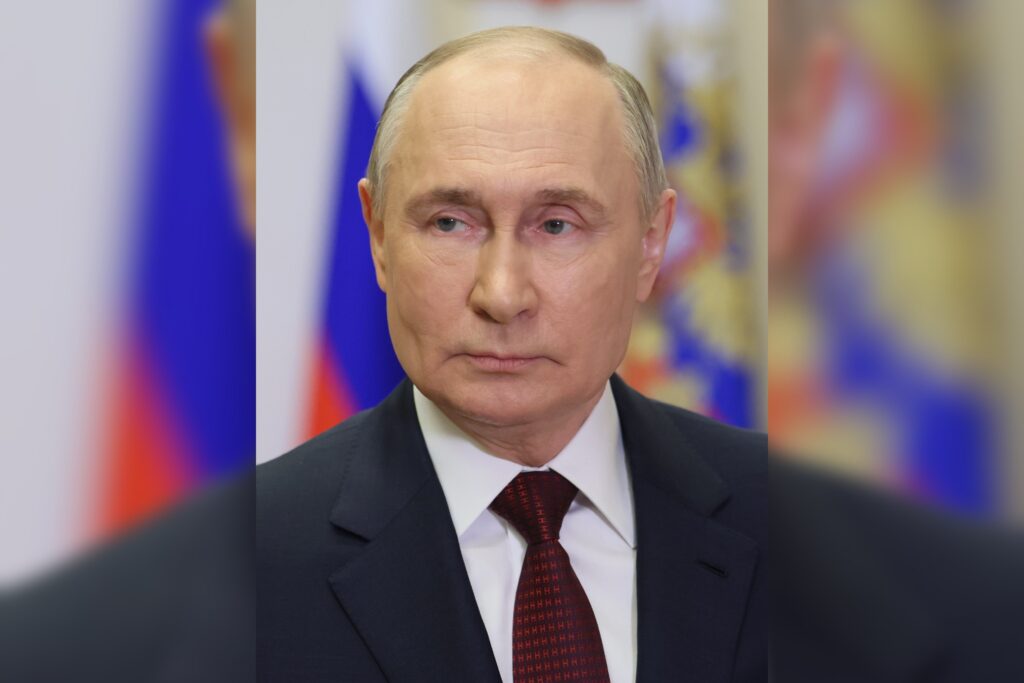
MOSCOW, July 11 — Against this backdrop of a grinding war in Ukraine that has reshaped European security, Vladimir Putin’s hold on power in Russia appears as firm as ever, yet the first public cracks in the narrative of total loyalty may be emerging. The Russian president, born in Leningrad in 1952 and a former KGB officer, has spent more than two decades centralising authority, crushing political opposition, and projecting strength through military force.
From Chechnya to Georgia, from Syria to Ukraine, his tenure has been defined by a willingness to use overwhelming force to achieve strategic ends. The full-scale invasion of Ukraine on February 24, 2022, marked the culmination of that approach. ## A Leader Under Sanctions, Yet Popular at Home Putin’s approval rating in Russia has remained around 80 percent, according to state-run polls, though independent surveys are limited.
The International Criminal Court issued an arrest warrant for him on March 17, 2023, for alleged war crimes related to the deportation of Ukrainian children, yet this has not visibly diminished his standing within Russia. Western sanctions have targeted his inner circle and the Russian economy, but the regime has adapted. What is at stake now is whether that domestic stability can hold as the war enters its fifth year. ## The Question of Internal Dissent For years, Putin’s inner circle has been widely seen as loyal.
Yet Ukrainian President Volodymyr Zelenskyy has made a claim suggesting potential internal dissent within the Russian leadership. In the corridors of the Kremlin, where power is exercised through personal relationships and institutional fear, such claims are difficult to verify.
Independent reporting from inside Russia is severely constrained, and the security apparatus has proven effective at neutralising threats. Still, the suggestion that Putin’s grip may not be absolute is a significant development in the wider picture of the conflict. ## No Signs of Compromise As of March 2025, Putin has not publicly indicated any willingness to compromise on his territorial demands, which include recognition of Russia’s annexation of four Ukrainian regions. The annexation of Crimea in March 2014 set the pattern, and the full-scale invasion extended it.
The war has settled into a brutal attritional phase, with neither side able to achieve a decisive breakthrough. The European perspective is one of deepening concern: the conflict has shattered the post-Cold War security order, driven energy prices to historic highs, and forced a fundamental rethinking of NATO’s deterrent posture. What to watch next is whether the claim of internal dissent proves to have substance, or whether it is merely a wartime intelligence operation designed to sow doubt.
For now, Putin remains in full control, but the longer the war drags on, the more the question of what happens inside the Kremlin will matter.




