
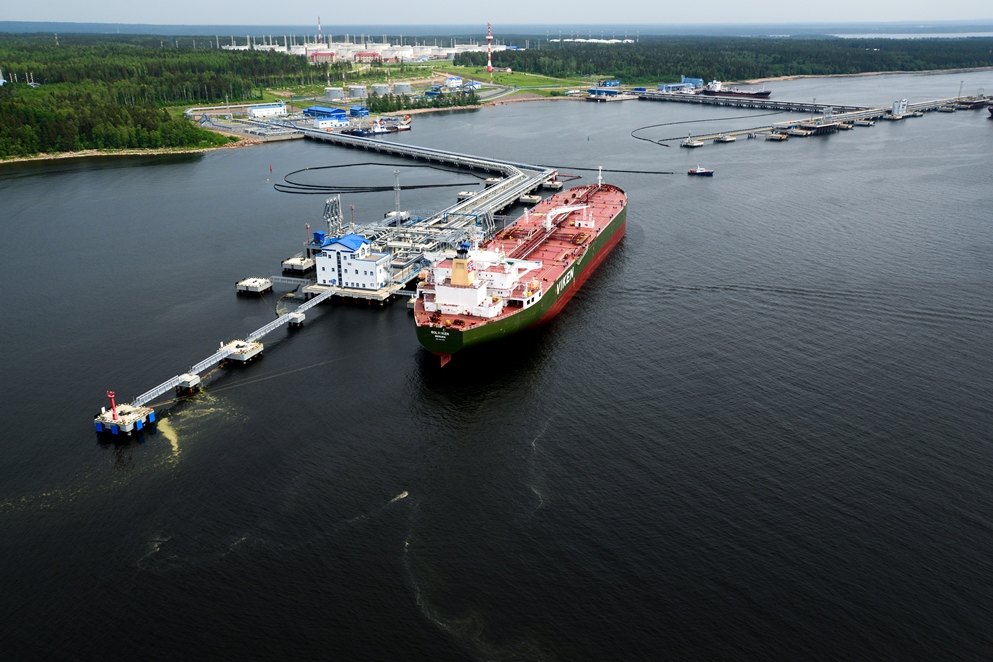
MOSCOW — Ukrainian forces have escalated their drone campaign against Russian energy infrastructure in a series of strikes that began in January 2024, targeting oil depots, refineries, and tankers across multiple regions, according to official reports and verified records of the attacks. The first major strike occurred on January 18, 2024, when Ukrainian drones hit an oil depot in the Leningrad region, setting several fuel tanks ablaze.
Three days later, on January 21, a drone attack targeted a Russian oil terminal in Ust-Luga, a major Baltic Sea port, causing a fire that halted operations at the facility. The pattern of attacks continued with a strike on January 24 against an oil refinery in Tuapse, Krasnodar Krai, on the Black Sea coast, igniting a blaze at the facility.
The following day, January 25, Ukrainian drones set fire to an oil tanker in the port of Ust-Luga, according to the sequence of events documented by officials. These strikes are part of Ukraine’s broader strategy to degrade Russia’s energy infrastructure, which provides a significant portion of the funding for its war effort, officials confirmed. The Russian oil and gas sector accounts for approximately 30 percent of the country’s federal budget revenue, according to the record.
By hitting these facilities, Ukrainian forces aim to disrupt the financial underpinnings of Russia’s military operations. The attacks have caused measurable disruptions to Russia’s refining capacity.
Russia reported a 7 percent drop in oil refining throughput in January 2024 compared to the previous month, according to official figures. This decline reflects the immediate operational impact of the strikes, as facilities were forced to halt production or operate at reduced capacity following the attacks. The geographic spread of the strikes is notable, with targets ranging from the Baltic Sea coast to the Black Sea region and extending into the Leningrad area near Russia’s northwestern border.
The Ust-Luga terminal, a key hub for Russian oil exports to European and global markets, has been hit twice within a four-day period, according to the sequence of events. The Tuapse refinery, located on the Black Sea, represents a separate strategic node in Russia’s energy export network. These operations raise concerns about environmental damage from fires and potential spills at the targeted facilities, according to assessments by regional authorities.
The blazes at oil depots and refineries pose risks to surrounding areas and require significant resources to contain. The sustained campaign against Russian energy infrastructure also carries implications for global energy market stability, analysts have noted.
Disruptions to Russian refining and export capacity can affect supply chains and price dynamics in international oil markets, particularly given Russia’s role as a major producer and exporter. The strikes on Baltic and Black Sea facilities directly impact Russia’s ability to move crude oil and refined products to world markets. The 7 percent decline in January refining throughput represents a significant operational setback for Russia’s energy sector, according to the data.
This reduction in processing capacity means less refined product available for both domestic consumption and export, potentially straining supply chains within Russia and affecting its ability to generate revenue from refined product sales. The targeting of energy infrastructure reflects a calculated Ukrainian strategy to impose costs on Russia’s war economy while avoiding direct confrontation with Russian military forces, according to strategic analysts.
By striking facilities that generate revenue for the federal budget, Ukraine seeks to constrain Russia’s ability to sustain prolonged military operations. The attacks have continued beyond January 2024, with Ukrainian drones repeatedly hitting Russian oil facilities in subsequent months, according to official reports. The campaign demonstrates Ukraine’s growing capability to conduct long-range strikes deep inside Russian territory, targeting infrastructure that was previously considered beyond the reach of Ukrainian forces.
Russian authorities have responded by enhancing air defense coverage around critical energy facilities and implementing measures to protect infrastructure from drone attacks, according to official statements. However, the continued success of Ukrainian strikes suggests that these defensive measures have not been fully effective in preventing damage to energy assets. The environmental consequences of the attacks remain a concern for regional authorities, who have had to manage fires and potential contamination from damaged fuel storage facilities.
The long-term ecological impact of these strikes, particularly in sensitive coastal areas like the Baltic Sea and Black Sea regions, has yet to be fully assessed. As the campaign continues, the resilience of Russia’s energy infrastructure will be tested by the sustained Ukrainian drone offensive.
The ability of Russian authorities to protect these facilities and maintain production levels will be a key factor in determining the economic impact of the strikes on Russia’s war effort.




