
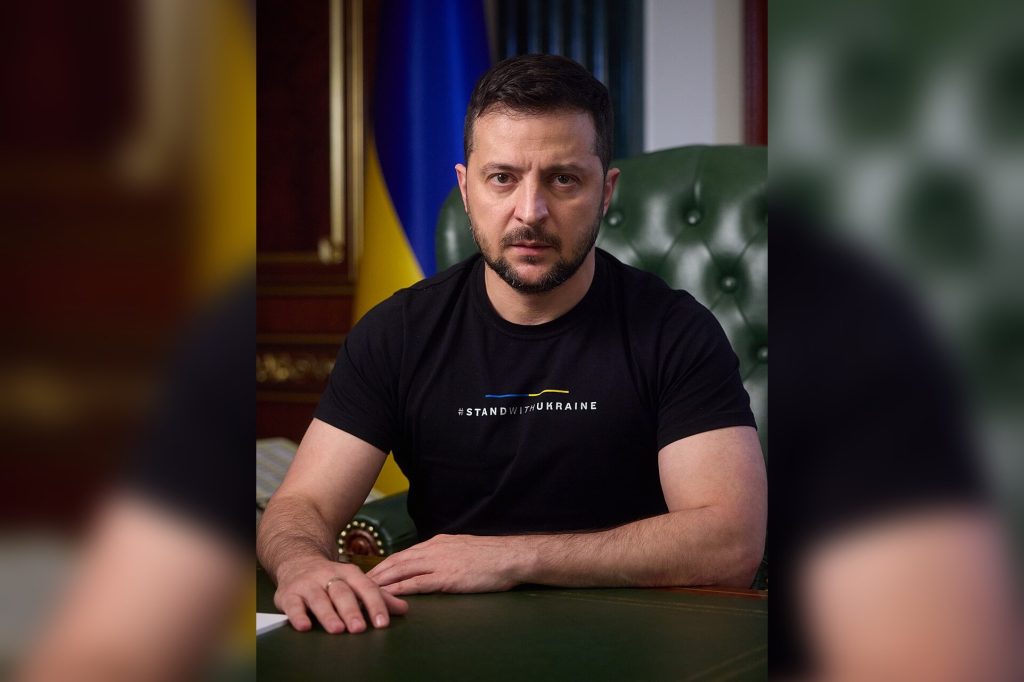
KYIV, July 10 — The roster of key decision-makers in the Russia-Ukraine war has shifted notably since the conflict began in February 2022, with new appointments on both sides and a change in the American presidency altering the diplomatic landscape. The record shows that Russian President Vladimir Putin, who has led the Russian government since 2000, remains the central figure directing Moscow’s military campaign. On the Ukrainian side, President Volodymyr Zelenskyy, elected in 2019, continues to lead the country’s defense efforts.
U.S. President Donald Trump, who began his second term on January 20, 2025, has proposed new oil tariffs, according to the statement from his administration. This marks a departure from the approach of his predecessor and introduces a new economic dimension to the international response.
U.S. Secretary of State Marco Rubio, appointed in 2025, now handles American diplomacy on the conflict, working opposite Russian Foreign Minister Sergey Lavrov, who has held his post since 2004, and Ukrainian Foreign Minister Andrii Sybiha, appointed in 2024.
Military leadership changes
On the military side, the defense establishments of both nations are under relatively new leadership. Russian Defense Minister Andrey Belousov was appointed in May 2024, overseeing Russian forces in the field. Ukrainian Defense Minister Rustem Umerov, appointed in September 2023, leads Ukraine’s military efforts.
The timing of these appointments, coming well after the initial invasion, reflects the evolving demands of a protracted war. NATO Secretary General Mark Rutte, who took office on October 1, 2024, coordinates alliance support for Ukraine.
His appointment came as the alliance sought to maintain a unified stance on military aid and political backing for Kyiv. The United Nations has passed multiple resolutions condemning the invasion, officials confirmed, though enforcement of those resolutions remains a matter of ongoing debate among member states. The International Criminal Court issued an arrest warrant for President Putin on March 17, 2023, a move that has further complicated any potential diplomatic engagement between Russia and Western nations.
The warrant remains outstanding as of this writing, with no indication that Moscow intends to comply.
Strategic context
The conflict, now in its fifth year, has seen no breakthrough in peace negotiations. The presence of new figures in key defense and diplomatic roles across multiple governments suggests that all sides are preparing for a prolonged engagement rather than a swift resolution. The proposed oil tariffs from the Trump administration, if implemented, could alter the economic calculus for Russia, though the specifics of that proposal remain under discussion.
Observers are watching to see whether the change in U.S. leadership will lead to a shift in the volume or nature of American support for Ukraine. Secretary Rubio’s diplomatic approach, combined with President Trump’s stated interest in economic measures, may signal a recalibration of U.S. strategy.
For now, the war continues with the same fundamental dynamic: Russia pressing its offensive, Ukraine defending, and the international community divided on how to respond.




