
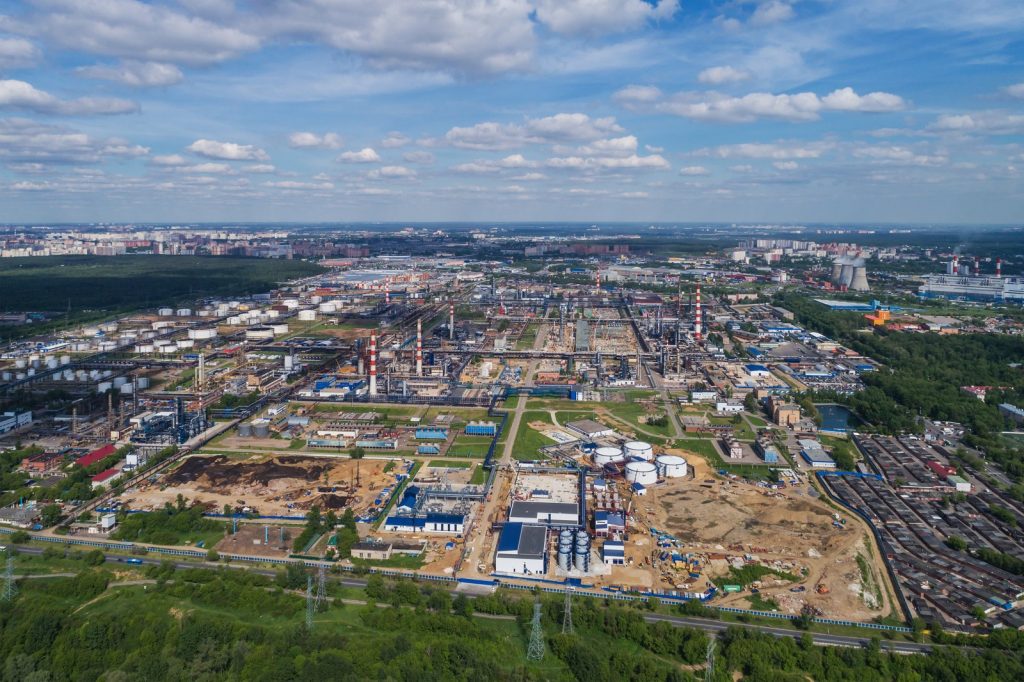
KYIV, July 7 — The arithmetic of Ukraine’s campaign against Russian oil refineries is brutally simple. A drone that costs perhaps $50,000 to $100,000 can inflict millions of dollars in damage on a facility processing hundreds of thousands of barrels of crude per day. The mechanics here are a direct assault on the revenue stream that funds Moscow’s war machine.
From May 2023 through January 2024, Ukraine conducted at least 15 drone strikes on Russian oil refineries and storage depots. The target list reads like a map of Russia’s downstream energy infrastructure: the Ilsky refinery in May 2023, the Novoshakhtinsk refinery in June 2023, the Tuapse refinery in January 2024, and the Omsk refinery on January 25, 2024.
The Ryazan refinery was hit in March 2024.
Follow the money
Russia’s total refining capacity stands at 5.5 million barrels per day. The Omsk facility alone processes 420,000 barrels per day. In 2023, Russia exported roughly 2.5 million barrels per day of refined products — gasoline, diesel, jet fuel — that generate hard currency for the Kremlin.
In 2022, Russian oil revenue totalled $191 billion. Ukrainian officials claim these attacks temporarily reduced Russia’s refining capacity by 10 to 15 percent.
The catch is that measuring the exact impact is difficult when both sides are spinning the numbers. Russia’s air defense claims to intercept 80 to 90 percent of incoming drones. Ukraine reports a 60 percent success rate.
On closer reading, neither figure is independently verifiable, but the pattern of repeated strikes on major facilities suggests the campaign is achieving at least some of its objectives.
The cost calculus
The economics favour the attacker. Each Ukrainian drone is estimated to cost between $50,000 and $100,000. A single hit on a refinery can shut down processing units for weeks or months, with repair costs running into the millions.
The Omsk refinery, with its 420,000 barrels per day capacity, represents a significant chunk of Russia’s domestic fuel supply. Taking that facility offline, even temporarily, creates pressure on Russian domestic fuel markets and reduces exportable surplus.
The campaign is part of a broader strategy to cut Russia’s oil revenue. The $191 billion figure from 2022 represents the peak of global energy prices following the invasion. Since then, the G7 price cap on Russian crude and Western sanctions have squeezed margins.
The drone strikes add a physical dimension to the financial pressure, targeting the refineries that turn crude into saleable products. What to watch next is whether Ukraine can sustain the pace of these strikes.
The drones are relatively cheap, but launching 15 or more attacks over nine months requires a steady supply of munitions and intelligence on target locations. Russia has had time to adapt its air defenses around critical refineries, and the claimed 80 to 90 percent interception rate, even if inflated, suggests that later strikes may face tougher odds than earlier ones. The strategic question is whether the damage inflicted on Russia’s refining capacity outweighs the cost of the drones and the risk of escalation.
For now, the math appears to favour continued operations.




