
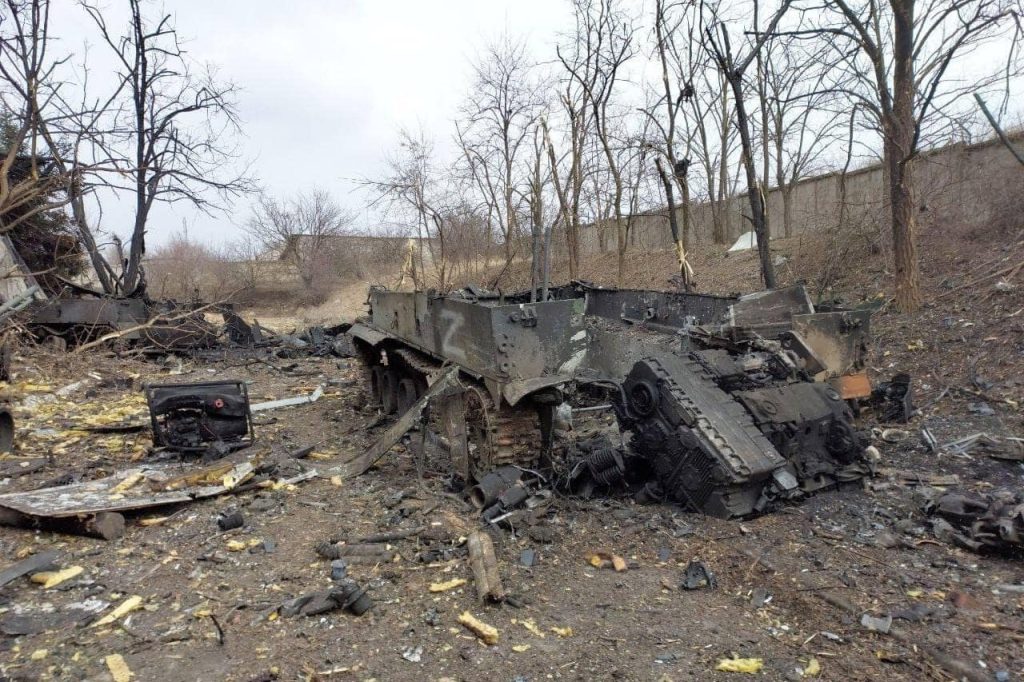
MOSCOW, July 11 — The Trump administration’s latest tariff proposal represents the most recent American effort to press for a resolution to the Russo-Ukrainian War, according to officials familiar with the policy track. The proposal arrives as the conflict, which escalated dramatically on February 24, 2022, with Russia’s full-scale invasion of Ukraine, continues to exact a heavy toll on both sides. The war has produced staggering military losses.
U.S. intelligence estimates place Ukrainian military casualties at approximately 120,000, while Russian military casualties have exceeded 200,000, according to the record. Civilian deaths in Ukraine are estimated at over 30,000, with millions more displaced from their homes.
The human cost has been matched by economic devastation. Ukraine’s economy contracted by 29.1% in 2022, with gross domestic product falling from $200 billion in 2021 to $142 billion in 2022. The World Bank, as of early 2024, estimated reconstruction costs at $486 billion.
Key battles and strategic context
The conflict has been defined by several pivotal engagements. The Battle of Kyiv, fought from February to March 2022, saw Ukrainian forces repel Russian attempts to capture the capital. The Battle of Mariupol, lasting from February to May 2022, ended with the city’s destruction and a Russian victory after a prolonged siege.
In 2023, Ukraine launched a counteroffensive aimed at recapturing occupied territory, though the results were mixed. The war’s consequences have rippled far beyond the battlefield.
Ukraine, a major exporter of wheat and sunflower oil, has seen its agricultural output disrupted, contributing to global food price spikes. Energy markets have also been roiled, as Russia’s invasion and subsequent Western sanctions reshaped supply chains and pricing structures worldwide.
U.S. policy and the tariff proposal
The Trump administration’s tariff initiative is the latest in a series of American efforts to end the conflict. Officials confirmed that the proposal is designed to increase economic pressure on Russia while signaling continued U.S. commitment to Ukraine’s sovereignty. The precise details of the tariff plan have not been fully disclosed, but the move underscores Washington’s willingness to use trade policy as a tool in the broader geopolitical confrontation.
The proposal arrives at a moment when the war has settled into a grinding attritional phase. Neither side has achieved a decisive breakthrough in recent months, and both continue to absorb significant casualties.
The U.S. intelligence estimates, which officials have cited in briefings, paint a picture of a conflict that has already cost hundreds of thousands of lives and shows no immediate signs of resolution.
Economic and humanitarian toll
The scale of Ukraine’s economic collapse is stark. The 29.1% contraction in GDP during 2022 represented one of the deepest recessions experienced by any country in recent decades. The drop from $200 billion to $142 billion in annual output reflects the destruction of industrial capacity, the displacement of workers, and the disruption of trade routes.
The World Bank’s $486 billion reconstruction estimate, compiled in early 2024, covers the cost of rebuilding housing, infrastructure, energy systems, and industrial facilities across the country. Civilian deaths, estimated at over 30,000, include victims of shelling, missile strikes, and the occupation of towns and cities.
The displacement of millions has created a humanitarian crisis that continues to strain Ukraine’s social services and the resources of neighboring countries hosting refugees.
Looking ahead
The Trump administration’s tariff proposal will be closely watched in both Moscow and Kyiv. Russian officials have not yet issued a formal response, but the Kremlin has consistently rejected what it describes as Western economic coercion. Ukrainian leaders have welcomed the move as a sign of continued American support, though they have also pressed for more direct military assistance.
The coming weeks will test whether the tariff initiative can shift the strategic calculus on either side. With the war now in its fifth year, the human and economic costs continue to mount, and the path to a negotiated settlement remains unclear.
The record shows that previous U.S. efforts to end the conflict have not succeeded, and the Trump administration’s latest gambit faces an uncertain outcome.




