
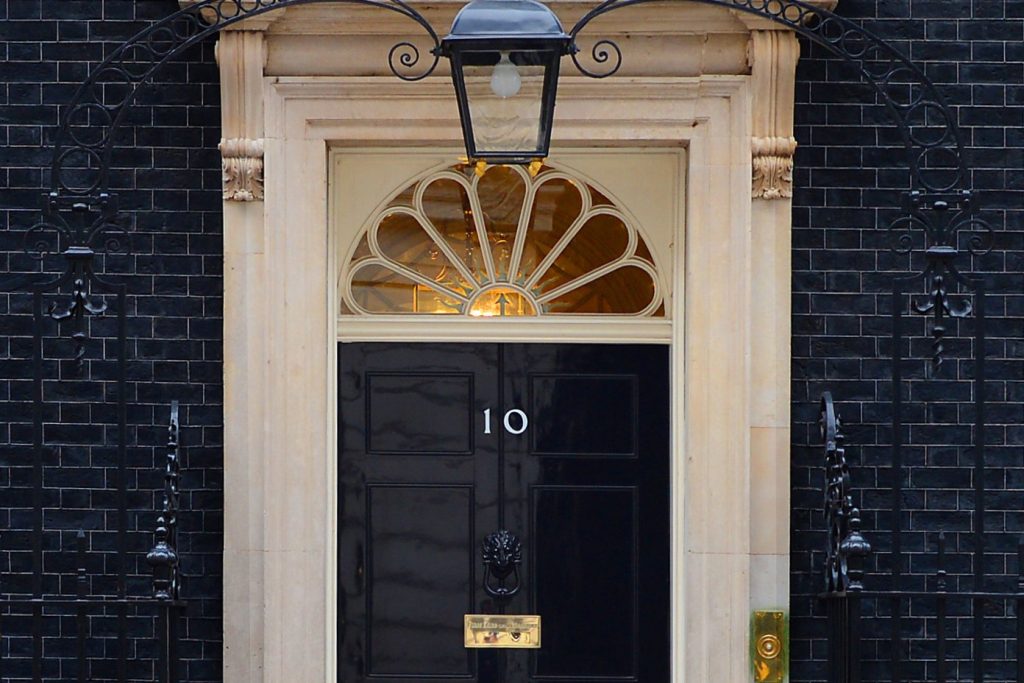
Five prime ministers in four years. That is the grim tally Britain now faces, with Andy Burnham the man in line to become number five. The country is weighed down by economic malaise, and the revolving door at 10 Downing Street shows no signs of stopping.
Burnham, 56, is set to succeed Keir Starmer after the incumbent announced his resignation on June 22. The mechanics of the transition are straightforward enough.
Burnham served as a minister under Tony Blair and as health secretary under Gordon Brown. He has been mayor of Greater Manchester for more than two terms. He has a foundation in British politics that many in Parliament felt Starmer lacked.
But the road here was not a straight line. Burnham sought the Labour leadership twice.
In 2015, he came a distant second to Jeremy Corbyn. He stepped down from Parliament in 2017. The reason that blocked him before?
His previous support for the Iraq invasion. That position has hampered his bids for party leadership in the past. What changed is that Burnham left Westminster and reinvented himself.
He became a champion of England’s northern, working-class population as mayor of Greater Manchester. That is the role that put him back in contention.
That background could serve him well as prime minister, because the economic malaise gripping the country hits working-class communities hardest. Burnham was born in the Liverpool area. His father was a telephone engineer.
His mother worked as a receptionist. He joined the Labour Party at 15.
He studied English at the University of Cambridge. After graduating, he worked as a researcher in Parliament. First elected to the House of Commons in 2001, he became an adviser and then a minister under Tony Blair.
The stakes here are concrete. The country has had five prime ministers in four years. That is not a statistic — it is a symptom.
Each change has brought more instability, not less. Each new leader promised to fix the economy.
None have. Burnham’s ability to connect with working-class voters is being presented as the key factor that could break the cycle. But the Iraq issue has not disappeared.
It is a scar on his record. The question is whether enough time has passed, and whether his record as mayor outweighs that vote.
His support for the invasion cost him the leadership twice. The third time, it appears, may be different. Not because the position changed, but because the country changed.
The economic malaise is so deep that voters may be willing to overlook past mistakes for a leader who speaks their language. Burnham is an orator and an organiser. Those are the qualities that members of Parliament found lacking in Starmer.
The job requires both. The country is not in a mood for technocrats.
It is in a mood for someone who can stand in front of a room and make people believe things can get better. That is the gamble. Burnham has the experience.
He has the platform. He has the personal story that resonates with a struggling electorate.
But he also has the Iraq vote, and the country has seen too many leaders fail. The next one will have no room for error. The economic malaise will not wait.
The revolving door will not stop unless someone can hold it still.




