
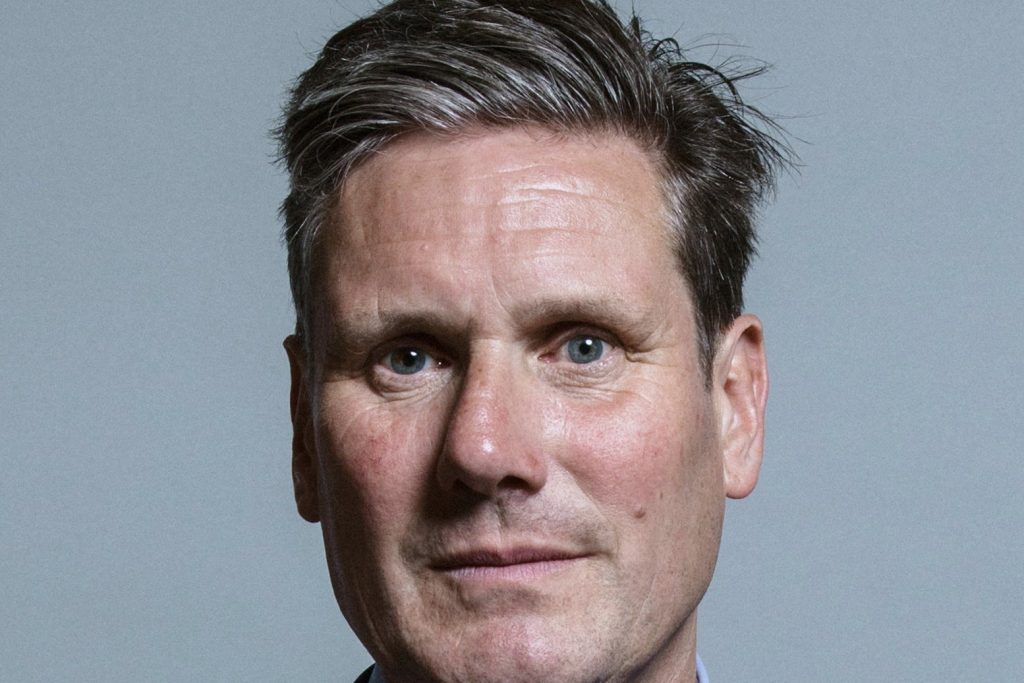
Keir Starmer is running out of room. The speculation around his replacement as prime minister now dominates Westminster talk, and the machinery to make that change has already begun its slow, procedural grind. This is not a sudden coup.
It is a process—one with enormous stacks of paperwork, multiple stakeholders, and a timeline that nobody can predict with confidence. What is genuinely at risk here is not just Starmer’s job.
It is the stability of the UK’s leadership during a period when the country faces unresolved economic pressures and strained public services. A leadership transition, even one conducted according to the rules, injects weeks or months of internal party focus inward. Decisions get delayed.
Policy momentum stalls. The country does not stop waiting.
The report of a “shift underway” signals that the perception of Starmer’s ability to lead has eroded inside his own party. Several people within the party have expressed concerns. That is a concrete fact.
When party insiders go on the record—or even off it—with doubts about a leader’s effectiveness, the political cost rises fast. The leader becomes a liability. Every public appearance, every vote, every headline gets read through the lens of weakness.
No official announcement has been made. That matters.
It means the speculation is running ahead of any formal trigger. But the atmosphere, as described, suggests change is imminent. That is the kind of phrase seasoned political reporters use when they have heard enough background noise to treat it as a developing story, not a rumor.
Several names are being thrown into the mix. None have been confirmed as candidates.
That is typical for this early stage. The process of replacing a prime minister involves a complex set of stakeholders—party officials, backbenchers, donors, and the broader parliamentary group. Each has a say.
Each has a preference. The UK’s political system is designed for a smooth transition, but the design assumes consensus. When consensus is absent, the process turns lengthy and unpredictable.
The bureaucracy here is real. There are rules about nominations, thresholds for support, and timelines for ballots.
There are procedures for a caretaker period. There is the question of whether a new leader would call a general election immediately or wait. None of that is decided yet.
The paperwork alone could take days to sort out. The next few days will be crucial.
That is not filler. It is a statement of fact about how the British political calendar works. Once the process begins, events move in compressed bursts.
A candidate emerges. Others drop out. Endorsements shift.
The media cycle accelerates. By the end of a week, the picture can look completely different.
What is at stake is the direction of the government. A new prime minister would not inherit a clean slate. They would inherit the same economic data, the same legislative agenda, the same international obligations.
The difference would be in judgment, in authority, and in the ability to command a party that has already shown it is willing to remove a leader mid-term. That fragility does not disappear with a new face.
The country waits. That is the reality. The political establishment is moving through its procedures, and the outcome is uncertain.
What is clear is that the trend underneath is real. The shift is happening. It is just not finished yet.




