
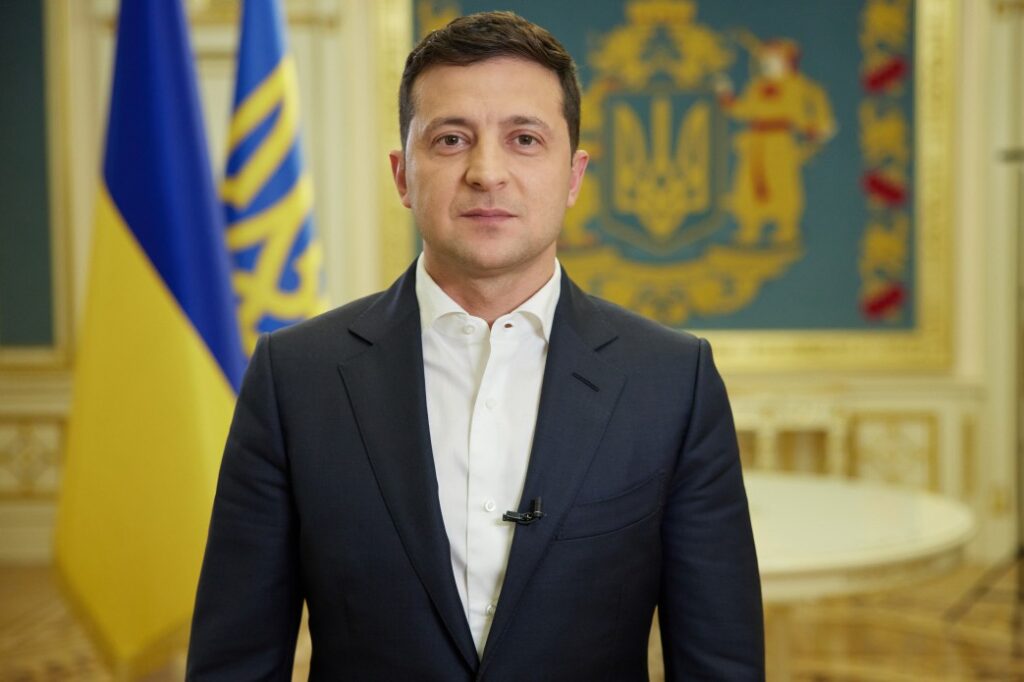
MUNICH, Feb. 19 — The mechanism of Europe’s energy dependency on Russia has long been a lever of influence, but Ukrainian President Volodymyr Zelenskyy is now trying to break that logic. Speaking at the Munich Security Conference, Zelenskyy flatly rejected any arrangement that would let Russian fuel continue flowing to European buyers while the war grinds on. “We don’t want Russia without fuel, we want Ukraine without war,” he said.
The catch, on closer reading, is that this position directly challenges the economic calculus that has kept some European capitals hedging on sanctions and supply deals.
The mechanics of the energy trap
Follow the money here. Before the full-scale invasion on February 24, 2022, Russia was Europe’s largest supplier of natural gas, and the revenue from those sales helped bankroll Moscow’s military budget. Even after sanctions, some Russian gas has continued to move through pipeline routes via Ukraine and Turkey.
Zelenskyy’s statement targets that residual flow. His argument is blunt: if European nations are still buying Russian fuel, they are effectively financing the war that is destroying Ukrainian cities and killing tens of thousands.
The war has already caused massive infrastructure damage across Ukraine, and Zelenskyy is insisting that any peace deal must prioritize Ukrainian sovereignty and territorial integrity over the convenience of cheap energy imports. This is not a new position for Kyiv. Zelenskyy has consistently called for a full withdrawal of Russian forces from all occupied Ukrainian territory, including Crimea, which Russia annexed in 2014.
The Munich remarks simply sharpen the point: no economic side deals that let Russia off the hook while the fighting continues.
The gap between principle and pipeline politics
Zelenskyy’s framing is elegant in its simplicity — “we want Ukraine without war” — but the mechanics of delivering that are far messier. European nations remain divided on how quickly to sever energy ties with Moscow. Some, like Hungary and Slovakia, have pushed back against full embargoes, citing domestic economic pain.
Others, like Germany, have dramatically reduced Russian gas imports but not eliminated them entirely. On closer reading, Zelenskyy’s statement is a challenge to those fence-sitters: you cannot claim to support Ukraine while still writing checks to Russia for fuel.
The war, which began with Russia’s full-scale invasion on February 24, 2022, has already resulted in tens of thousands of casualties. The human cost is staggering, but Zelenskyy is deliberately framing this as a question of economic and political integrity. The catch for European leaders is that cutting off the last remaining Russian energy flows would mean higher prices for consumers and businesses — a politically toxic trade-off in an election year for several EU countries.
What to watch next
The Munich Security Conference is a venue for statements, not deals. But Zelenskyy’s remarks will land in Brussels and Washington as a clear signal. The question now is whether European capitals will match his rhetoric with action — or continue to let the energy trade muddy the lines of the conflict.
On closer reading, the Ukrainian president is betting that moral clarity will eventually outweigh economic convenience. The mechanics of that bet are still unfolding.




