
TEHRAN, July 8 — The economic landscape for Iran remains constrained as U.S. sanctions, reimposed in November 2018 after Washington’s withdrawal from the Joint Comprehensive Plan of Action, continue to restrict the country’s access to global markets. These measures, targeting oil exports, banking, and shipping, have had a profound effect on the nation’s fiscal health. The numbers tell a story of steep decline.
Iran’s oil exports, which stood at 2.5 million barrels per day in 2017, had fallen to under 500,000 barrels daily by 2020. This drop represents a significant loss of revenue for a country that relies heavily on energy sales to fund its budget and support its currency.
Currency and inflation pressures
The Iranian rial has lost over 80% of its value against the U.S. dollar between 2018 and 2024. That kind of depreciation makes imports more expensive and erodes household purchasing power. According to the Central Bank of Iran, inflation reached 45% in 2024.
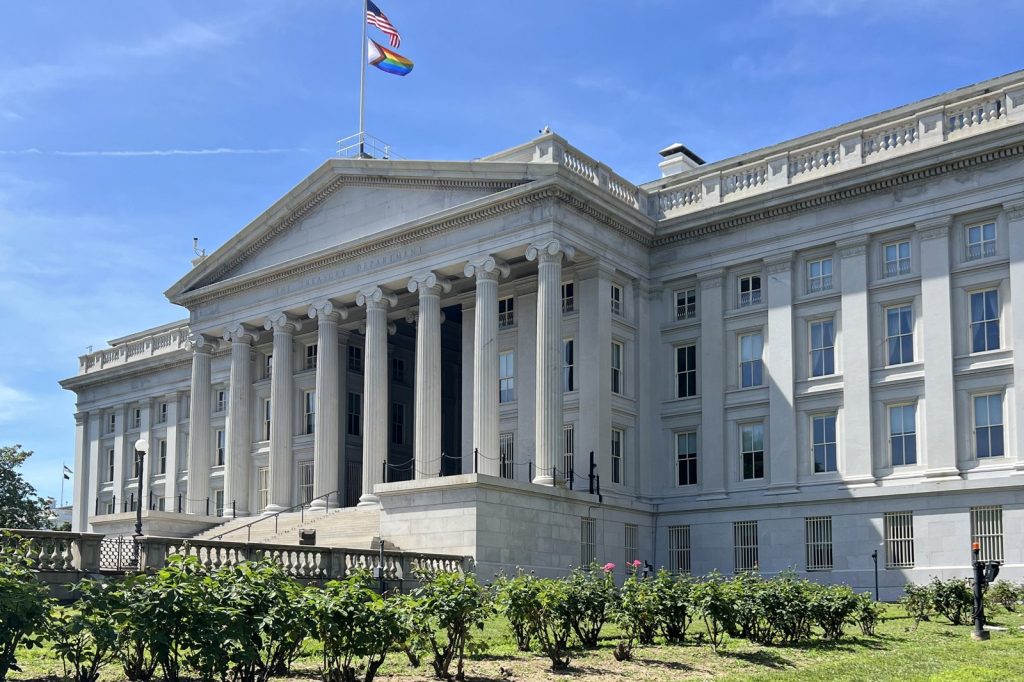
The U.S. Treasury’s Office of Foreign Assets Control, known as OFAC, enforces these sanctions. OFAC’s role includes designating entities and individuals linked to prohibited activities, and it maintains a list of sanctioned parties that American companies and banks must avoid.
Early findings from economic analysts suggest that the combination of reduced oil revenue and currency weakness has created persistent hardship for many Iranians. The encouraging part for policymakers in Washington is that the pressure appears to have limited Tehran’s ability to fund regional activities. But patients, so to speak, in this case the Iranian economy, continue to feel the strain.
Seized assets and prisoner diplomacy
In 2023, the United States seized $6 billion in Iranian assets that had been held in South Korea. Those funds were later released as part of a prisoner swap between the two countries. Such moves illustrate how sanctions enforcement can intersect with diplomatic negotiations.
Sanctions have also targeted specific Iranian institutions. The Islamic Revolutionary Guard Corps, or IRGC, was designated a terrorist organization by the U.S. in 2019.
This designation carries legal consequences for any entity or individual that provides support to the IRGC, and it complicates any potential dialogue with Tehran. The IRGC designation remains a point of contention. Some analysts argue it closes off avenues for negotiation, while others see it as a necessary tool to pressure the Iranian leadership.
Patients should consult their doctor — or in this case, policymakers should weigh the available evidence — before drawing firm conclusions about the long-term effects of such measures.
Looking ahead
As of mid-2026, the sanctions architecture remains largely intact. Iran’s oil exports have not recovered to pre-2018 levels, and the rial continues to trade at a fraction of its earlier value. The Central Bank of Iran’s inflation figure of 45% in 2024 suggests that price pressures remain a serious concern for ordinary citizens.
What comes next will depend on several factors: potential shifts in U.S. policy, Iran’s willingness to negotiate, and the effectiveness of sanctions enforcement. For now, the economic data points to a country still grappling with the consequences of a decision made nearly eight years ago.
Talk to your doctor before making any changes to your treatment plan — and in the broader sense, policymakers should consult their experts before charting a new course on Iran.




