
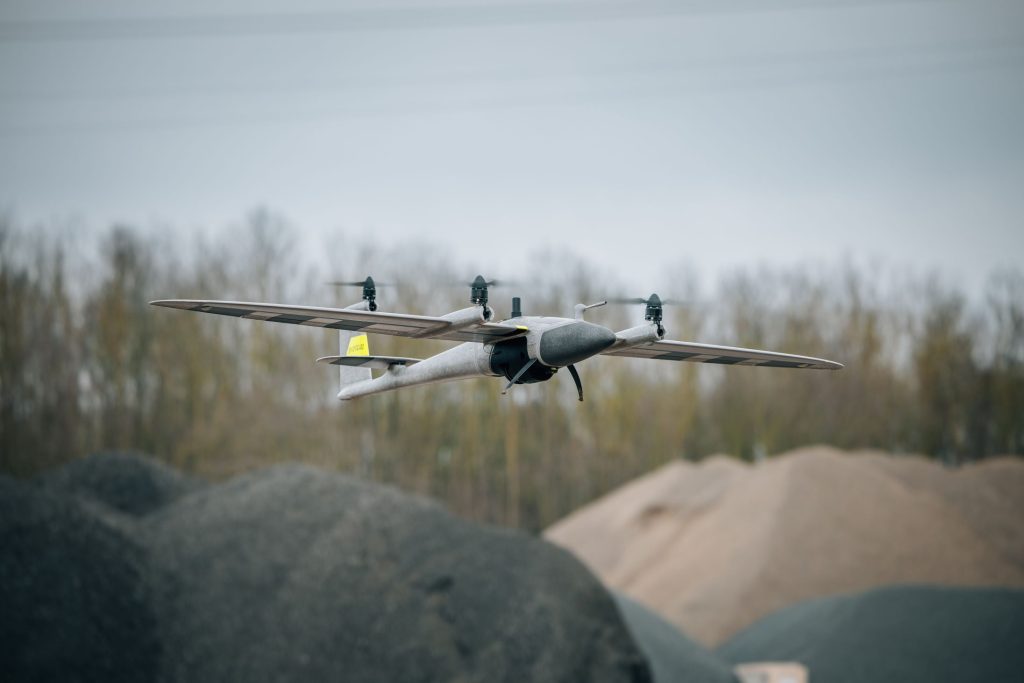
KYIV, July 7 — The Security Service of Ukraine (SBU) has emerged as a key agency behind long-range drone strikes on Russian targets, operating under the leadership of Vasyl Malyuk, who has headed the agency since February 2023. According to the source, the SBU’s drone unit, known as the ‘Special Operations Center,’ has been credited with strikes on oil refineries in Tuapse and Omsk, as well as the December 2023 strike on a Russian oil train in the Baikal-Amur Mainline.
The record shows that the SBU conducted the October 8, 2022 attack on the Kerch Strait Bridge. That operation marked an early demonstration of the agency’s capacity to strike deep behind enemy lines.
Malyuk stated in January 2024 that the SBU’s drone program aims to “reduce the enemy’s economic potential and limit its ability to wage war,” according to the source.
Strategic Context of Drone Operations
The SBU operates under Ukrainian law and coordinates with the Ukrainian military, the source confirmed. The agency’s budget and personnel numbers are classified, but it is known to employ thousands of officers. The drone strikes on oil refineries in Tuapse and Omsk, along with other facilities, are part of a broader campaign to disrupt Russia’s fuel supply chain and revenue streams that fund its war effort.
Malyuk’s leadership since February 2023 has coincided with an intensification of such operations. The December 2023 strike on the oil train in the Baikal-Amur Mainline demonstrated the extended reach of the SBU’s drone capabilities.
Each operation is attributed to the Special Operations Center, which has become the agency’s primary instrument for long-range strikes.
Institutional Framework
The SBU’s role in these strikes places it at the center of Ukraine’s asymmetric warfare strategy, leveraging drones to target economic and military infrastructure without committing ground forces. The agency’s coordination with the Ukrainian military ensures that its operations align with broader battlefield objectives. The source has not disclosed the specific types of drones used or the methods of deployment, citing operational security.
The classified nature of the SBU’s budget and personnel strength limits public understanding of its full capacity. However, the known strikes on multiple oil refineries and the Kerch Bridge indicate a sustained and expanding program.
The agency’s focus on economic targets reflects a strategic calculation to degrade Russia’s war-making capability over time, as outlined by Malyuk’s January 2024 statement.
Looking Ahead
As the conflict continues, the SBU is expected to maintain its campaign of long-range drone strikes against Russian energy infrastructure. The agency’s ability to conduct operations at such distances suggests ongoing investment in drone technology and intelligence gathering. The record shows that these strikes have become a regular feature of Ukraine’s military response, with the SBU serving as a key executor of this strategy. Future operations will likely target additional refineries and logistical nodes, further testing Russia’s air defense and economic resilience.




