
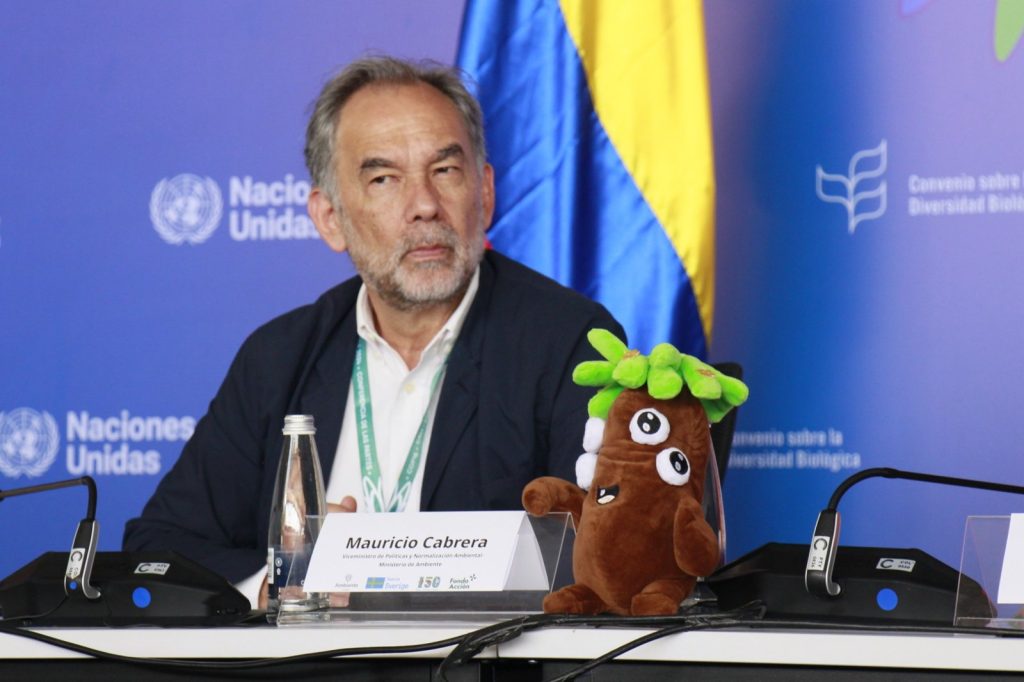
COP16 United Nations Biodiversity Summit: A Pivotal Moment for Global Conservation Efforts
From October 21 to November 1, 2024, the global spotlight turned to Cali, Colombia, as the city hosted the 2024 United Nations Biodiversity Conference, more commonly known as COP16. This significant gathering of nations was a vital occasion for the United Nations Convention on Biological Diversity (CBD), serving as an opportunity to review the progress made by countries towards their national goals and targets under the Kunming-Montreal Global Biodiversity Framework.
The conference provided a platform for participating nations to scrutinize their progress and engage in discussions on how to attain the conservation goals set by the framework. The monitoring framework agreed upon at the preceding conference played a key role in the evaluation process, enabling countries to track their advancement and pinpoint areas requiring enhancement. This framework aimed to offer a holistic approach to assessing the implementation of conservation targets, ensuring that countries are on track to fulfill their commitments.
Regrettably, the initial negotiations at the conference did not yield the desired results, resulting in a partial collapse. Consequently, an extended session of COP16 was held in Rome, Italy, from February 25 to 27, 2025.
This crucial juncture served as a decisive moment for the participating nations, as they collaborated diligently to reach an agreement on the implementation of conservation targets. After lengthy deliberations, the nations reached a consensus on a roadmap to offer financial aid to developing countries to help them attain their conservation objectives. The agreement reached at the extended session of COP16 was momentous, as it provided a firm pledge to support developing countries in their pursuit of conservation targets.
The participating nations agreed to allocate $200 billion annually to finance the implementation of these targets by 2030. This substantial financial commitment is anticipated to play a crucial role in assisting developing countries in achieving their conservation goals, which are vital for preserving biodiversity and fostering sustainable development.
The outcome of the 2024 United Nations Biodiversity Conference and the subsequent extended session in Rome underscores the complexity and challenges inherent in international negotiations on biodiversity conservation. The agreement reached at COP16 underscores the significance of international cooperation and commitment among nations to tackle the urgent issue of biodiversity loss. As the world progresses, it is imperative to continue monitoring the progress made by countries towards their national goals and targets under the Kunming-Montreal Global Biodiversity Framework.
Looking ahead, the implementation of the agreement reached at COP16 will be pivotal in achieving the conservation targets set by the framework. The provision of $200 billion annually to support developing countries will be a significant stride towards promoting biodiversity conservation and sustainable development.
As the world continues to confront the challenges of biodiversity loss, it is essential to maintain a commitment to cooperation and conservation, ensuring that the objectives set by the framework are achieved by 2030. The coming years will witness close scrutiny of the progress made by countries towards their national goals and targets under the Kunming-Montreal Global Biodiversity Framework. The evaluation of the implementation of conservation targets will be crucial in assessing the effectiveness of the agreement reached at COP16.
As the world moves forward, it is essential to continue fostering international cooperation and commitment to address the pressing issue of biodiversity loss, ensuring that the goals set by the framework are achieved and that biodiversity is protected for future generations.




