
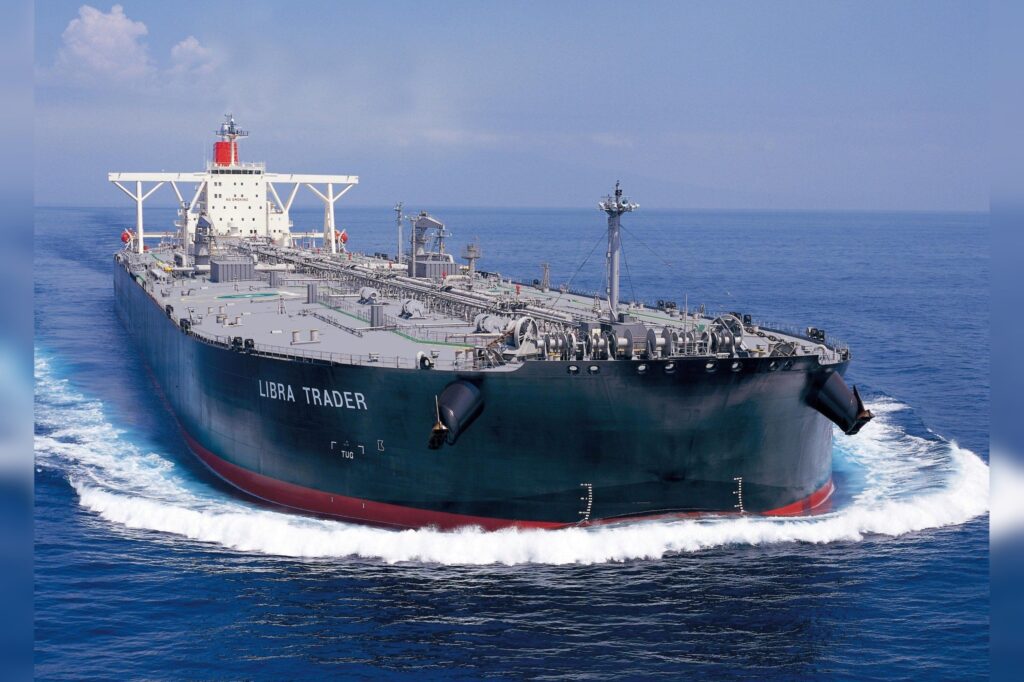
TEHRAN, July 12 — The Islamic Revolutionary Guard Corps Navy has announced a closure of the Strait of Hormuz, a move that international legal experts say would violate the United Nations Convention on the Law of the Sea. The Strait of Hormuz, a narrow waterway critical to global oil shipments, is governed by UNCLOS, which was signed in 1982 and entered into force in 1994.
Under Article 38 of the convention, ships and aircraft enjoy the right of transit passage through straits used for international navigation, a right that cannot be suspended by coastal states. Iran signed UNCLOS in 1982 but has not ratified it.
However, Tehran has stated it respects the convention’s principles. The United States is not a party to UNCLOS but recognizes its customary international law provisions, including transit passage. Iran has historically argued that it has the right to regulate passage through the Strait for environmental or security reasons.
International law, however, prohibits unilateral closure of such waterways. The current announcement by the IRGC Navy would violate UNCLOS and could lead to diplomatic protests at the UN Security Council.
The U.S. has previously called such threats a “red line” and has warned of military action to keep the Strait open.
Legal framework and precedent
The UN Security Council Resolution 598, adopted in 1987, called for an end to the Tanker War and affirmed freedom of navigation in the Gulf. That resolution remains a relevant reference point for the current situation. In 2007, the U.S. Navy conducted a freedom of navigation exercise in the Strait to assert these rights under international law.
The exercise demonstrated the longstanding U.S. position that transit passage cannot be impeded. The International Maritime Organization, a UN agency established in 1948, sets shipping safety and security standards for the Strait.
The IMO’s role in maintaining orderly navigation through the waterway adds another layer of international oversight.
What comes next
The closure announcement raises immediate questions about how the international community will respond. Diplomatic channels at the UN Security Council are likely to be activated, given that a violation of UNCLOS would involve multiple signatory states. The U.S. administration has not yet issued a formal statement on the IRGC Navy’s announcement, but past warnings suggest a strong response is possible.
Readers should watch for official statements from Washington and other capitals in the coming days. The encouraging part for those concerned about global stability is that the legal framework against such closures is clear and has been tested before.
But early findings suggest the situation remains fluid, and diplomatic efforts will be critical in the hours ahead.




