
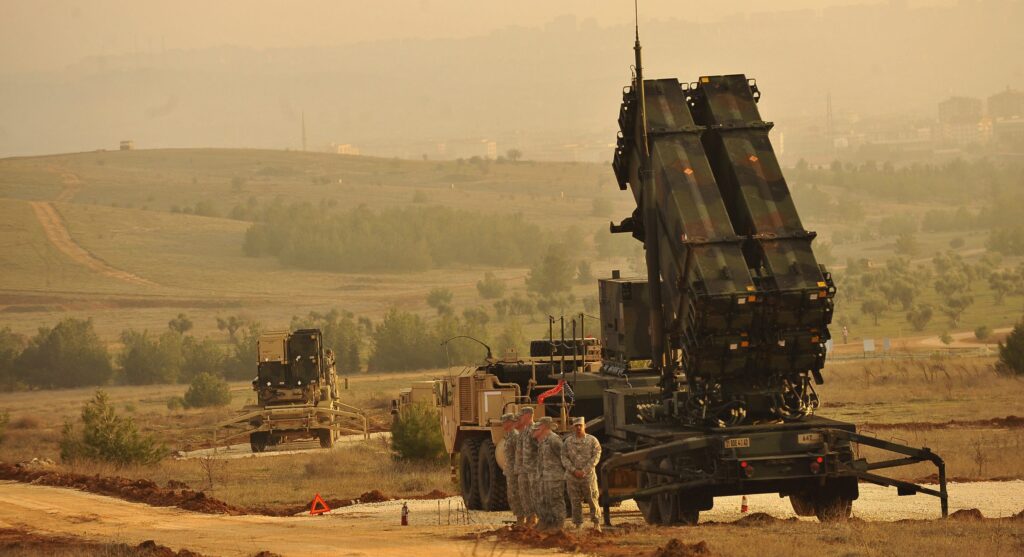
On August 18, 2026, at 18:00:57, the story of Theodore Postol’s decades-long critique of U.S. missile-defense programs reached a critical juncture. For over three decades, Postol, a physicist and MIT professor emeritus, has challenged official claims about missile-defense performance. His skepticism began after the 1991 Gulf War, when he disputed claims that the Patriot missile had a high success rate against Iraqi Scuds.
Congressional testimony in 1992 suggested Patriot’s intercept rate could have been below 10 percent, possibly zero. Postol’s credentials place him within the defense establishment he critiques.
He served as a scientific adviser to the Chief of Naval Operations and worked at the Congressional Office of Technology Assessment. Despite this, his warnings often isolated him. The U.S. defense community includes vast technical expertise—engineers, scientists, contractors, and analysts.
Yet when Postol raised concerns about missile-defense claims, few specialists publicly aligned with him. This isolation is notable given the existence of national labs, contractors, and universities capable of evaluating such claims.
The core issue Postol highlights is how flawed programs persist. Major weapons like the F-35, Littoral Combat Ship, and Ford-class aircraft carrier have faced cost overruns, delays, and technical failures. These problems were documented through testing, audits, and congressional reviews.
However, critical negative information rarely derails programs. Weapons development progresses through key decision points: development, production, testing, and approval.
A program need not address every criticism to advance; it must only pass the next gate. The National Missile Defense controversy exemplifies this dynamic. Postol’s objections to distinguishing warheads from decoys in midcourse flight directly challenged the Ground-based Midcourse Defense (GMD) system’s feasibility.
A 1997 flight experiment testing this capability became a flashpoint. Postol argued the results showed decoys could not be reliably distinguished, a claim that contradicted analyses by TRW, Boeing, and the Missile Defense Agency.
His disputes with these entities and government officials underscored the institutional resistance to his findings. The broader question Postol raises remains unanswered. Why do technically sound criticisms fail to alter program trajectories? The answer lies in the structure of defense decision-making.
Programs advance through sequential gates, and negative data is often marginalized unless it threatens immediate milestones. Postol’s work suggests a systemic issue: the defense establishment’s capacity to absorb criticism without substantive change.
His isolation as a critic highlights the tension between technical expertise and institutional inertia.




