
BRUSSELS, July 28 — The shift in EU sanctions enforcement is accelerating. The Foreign Affairs Council is now weighing a proposal to slap restrictions on some 1,600 firms, a direct result of enhanced intelligence sharing with Washington and Ukraine. This marks a significant scaling of the bloc’s campaign to choke off Russia’s access to components for drones, missiles, and electronic warfare systems.
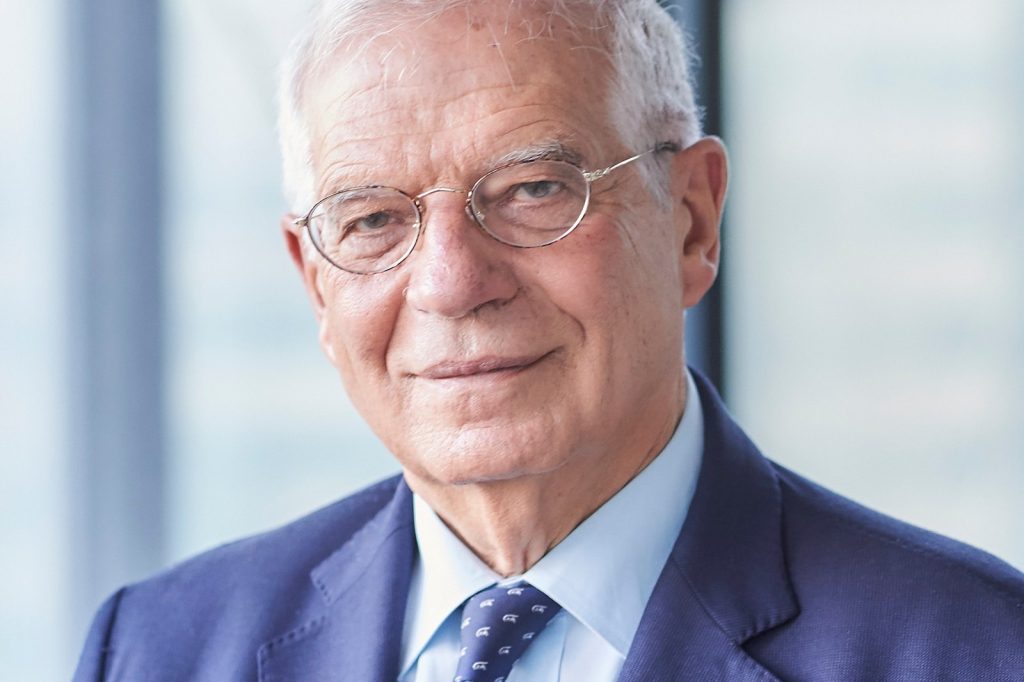
The machinery behind this move is both layered and political. The FAC, bringing together the 27 member states’ foreign ministers, is chaired by High Representative Josep Borrell.
The Spanish politician — born in 1947, Spain’s foreign minister from 2004 to 2007 and later President of the European Parliament — has been steering EU foreign policy since December 2019. But the heavy lifting begins earlier: the European Commission’s Directorate-General for Trade and Directorate-General for Financial Stability, along with the European External Action Service, draw up the initial sanctions lists. Those proposals then go through FAC working groups, where national diplomats haggle over names and scope.
Member-State Dynamics
Countries like Poland, the Baltic states — Estonia, Latvia, Lithuania — and Finland have consistently pushed for tougher measures. Hungary, under Prime Minister Viktor Orbán, has tried to stall or water down packages, often citing energy interests. In earlier rounds, Budapest secured carve-outs for some energy imports.
The trend underneath is a persistent tug-of-war between hardliners and those seeking exemptions. That cleavage is unlikely to vanish with this larger list.
The new 1,600-firm list also reflects closer coordination with the United States and the United Kingdom. The EU has been aligning sanctions lists with these allies, aiming to close loopholes that evade restrictions. In 2023, the bloc appointed David O’Sullivan as its first International Special Envoy for the Implementation of EU Sanctions, tasked specifically with preventing third countries from becoming hubs for evasion.
What’s Changing
What’s changing here is scale. The current proposal moves beyond individual oligarchs or state-owned enterprises to a sweep of entities involved in the supply chain for battlefield technology — components like semiconductors, electronics, and precision machinery that power Russian drones and missile guidance systems. Intelligence from Ukraine and the US has been critical in identifying these nodes.
Watch this space. The working groups will now negotiate.
Hungary may request further carve-outs, Poland and the Baltics will resist. The EU will also pressure third countries to avoid becoming transshipment points. The 1,600-firm target signals that the bloc sees evasion as a network problem, not a single-actor one.
The trend underneath is a sanctions machine that is becoming both more surgical in targeting and more reliant on real-time intelligence from partners. That is the slow, deliberate shift to watch.




