
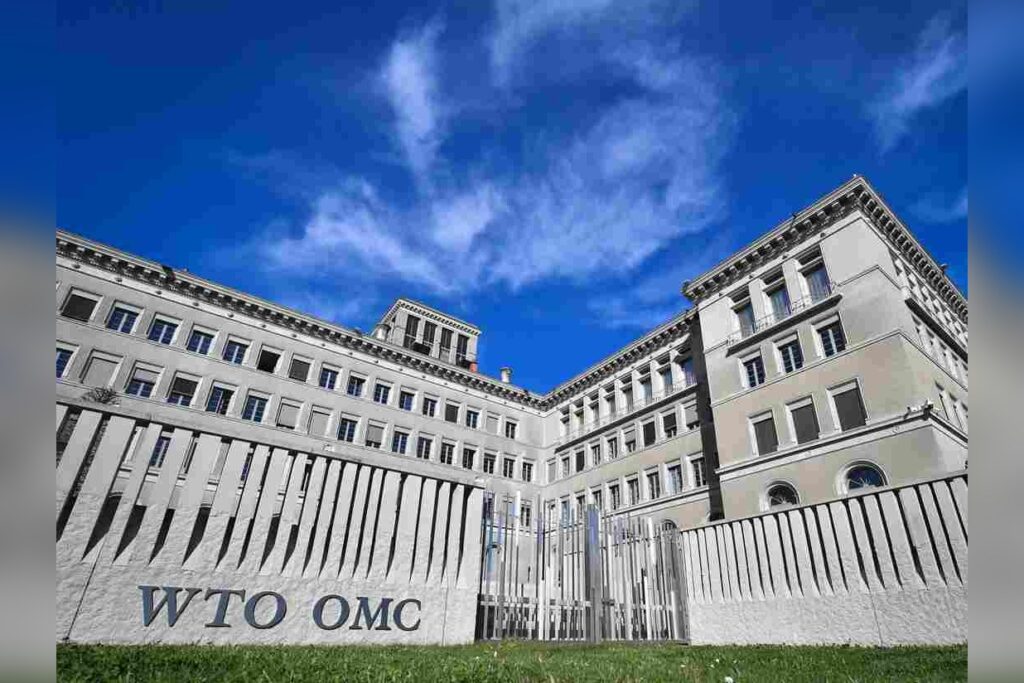
GENEVA, July 21 — The shift is subtle, but unmistakable. For decades the World Trade Organization has been the quiet enforcer of global trade rules. Now it faces a crisis of relevance that even its own members can no longer ignore.
The WTO was established on 1 January 1995, following the 1994 Marrakesh Agreement. It succeeded the General Agreement on Tariffs and Trade, or GATT, which had been created in 1948.
Today it is the world’s largest international economic organization, with 166 members that account for over 98% of global trade and GDP. Its headquarters sit in Geneva, Switzerland. Its primary functions are straightforward enough: provide a framework for negotiating trade agreements and resolve trade disputes among members.
The agreements cover trade in goods, services, and intellectual property. The operating principle is non-discrimination, enshrined in most-favoured-nation and national treatment provisions.
There are exceptions — for environmental protection, national security, and other objectives. Decision-making flows from the Ministerial Conference, the highest body, which convenes biennially and operates by consensus. Day-to-day business is handled by the General Council, made up of representatives from all member states.
The Secretariat is led by the Director-General. Since 2021, that position has been held by Ngozi Okonjo-Iweala of Nigeria. The WTO’s annual budget is approximately 200 million USD, contributed by members based on their share
The World Trade Organization (WTO) has long served as the cornerstone of the multilateral trading system, providing a structured platform for nations to negotiate trade agreements and resolve disputes without resorting to unilateral measures that could escalate into broader conflicts.
Founded in the aftermath of World War II, the WTO’s predecessor, the General Agreement on Tariffs and Trade (GATT), was created to reduce trade barriers and foster economic cooperation among nations. Over time, the organization evolved to address not only tariffs but also non-tariff barriers, intellectual property rights, and trade in services, reflecting the increasingly complex nature of global commerce.
The WTO’s dispute settlement system has been particularly influential, offering a rules-based mechanism for resolving trade conflicts through independent panels and an appellate body. This system has helped prevent trade wars by providing a predictable and transparent process for addressing grievances, though it has faced criticism in recent years over concerns about its efficiency and the perceived imbalance in how disputes are adjudicated.
The organization’s ability to adapt to changing global trade dynamics—such as the rise of digital trade and the growing importance of sustainability—remains a critical test of its long-term relevance.




