
KYIV, July 8 — Against this backdrop of grinding attrition, Russia continues to methodically target Ukraine’s energy infrastructure, a campaign that began in earnest in the autumn of 2022 and has evolved into a central pillar of Moscow’s war strategy. The strikes, which intensified as winter approached in 2022-2023, were designed to plunge millions into darkness and cold, weaponising the civilian power grid as a tool of war. The scale of the assault was staggering from the outset.
By October 2022, Ukrainian officials reported that Russia had launched more than 4,500 missiles since the full-scale invasion began on February 24. These barrages, combined with waves of Iranian-made Shahed-136 drones, of which Russia has used over 3,000 since September 2022, have systematically degraded Ukraine’s power generation and transmission capabilities.
Air Defence: A Patchwork Shield
Ukraine’s ability to counter this aerial onslaught has rested on a fragile and evolving mix of systems. Initially, the country relied on Soviet-era platforms such as the S-300 and Buk missile systems, which had been in service for decades. The arrival of Western-supplied systems marked a turning point.
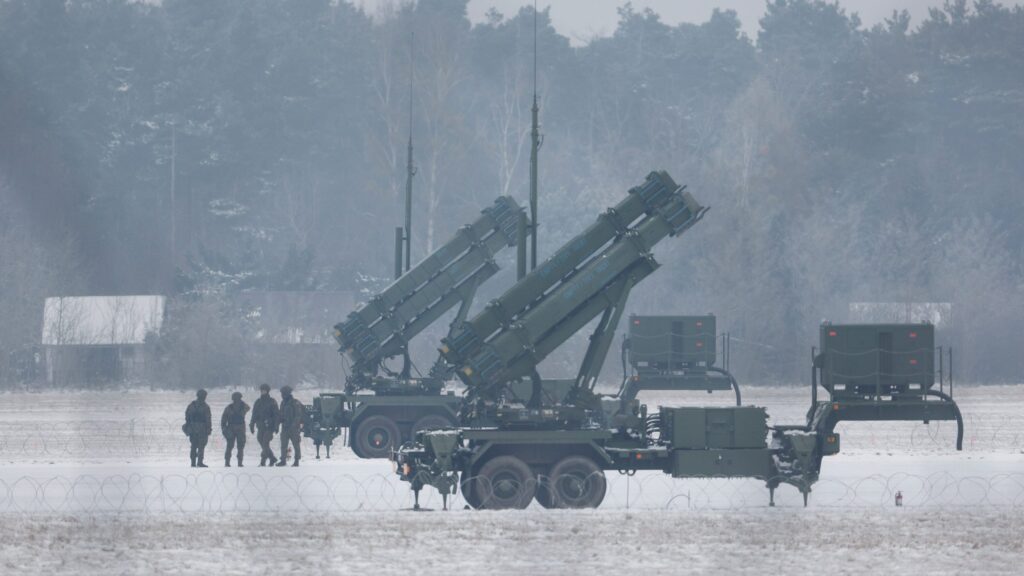
Germany delivered the first IRIS-T systems in October 2022, followed by the US-supplied NASAMS in November of the same year. The most significant addition came in April 2023, when the first Patriot battery became operational in Ukraine, offering a more advanced capability against ballistic missiles.
By mid-2024, Ukrainian forces reported intercepting over 80% of incoming Russian missiles and drones. This high interception rate, however, masks a persistent and critical shortage of ammunition. The very systems that have proven effective are expensive to operate and require a steady supply of interceptors, a resource that has at times been in dangerously short supply.
The Cost of Defence
The United States has committed more than $50 billion in security assistance to Ukraine since the invasion began in 2022. A significant portion of this aid has been allocated to air defence systems and the munitions they require. In the corridors of European capitals, the question of how to sustain this level of support has become a recurring theme in diplomatic discussions.
What is at stake is not merely the protection of military assets but the survival of Ukraine’s civilian infrastructure through successive winters. The pattern established in 2022-2023, when strikes targeted power grids and caused blackouts affecting millions, has become a grim seasonal rhythm.
The wider picture suggests that Russia views this campaign as a long-term pressure tactic, one designed to break civilian morale and cripple the economy. As of mid-2024, the situation remains precarious. The Ukrainian air force continues to husband its resources, prioritising the defence of critical infrastructure while facing the constant threat of new missile and drone attacks.
The coming months will test whether the international community can maintain the flow of munitions needed to keep the lights on and the air defences operational.




