
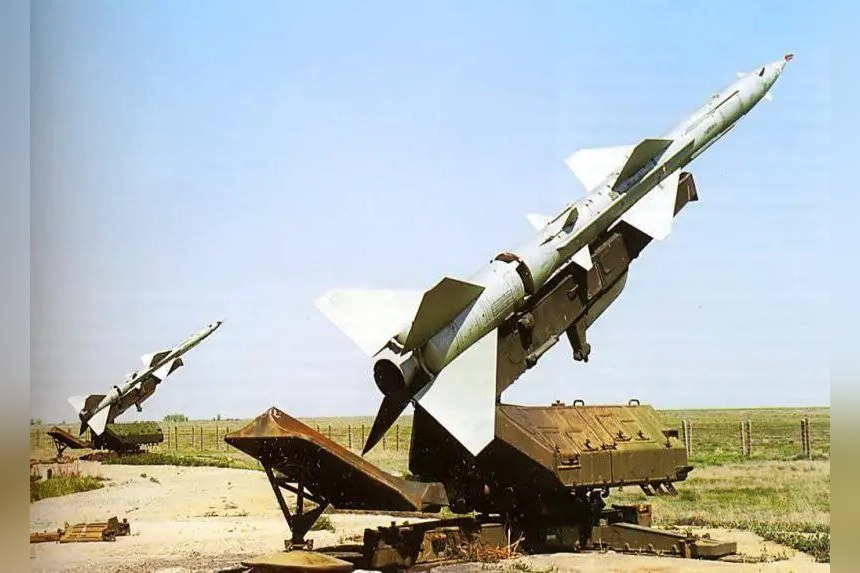
KYIV, July 8 — The shift in Ukraine’s air defense capability is one of the most dramatic technological turnovers in modern conflict. What began as a patchwork of aging Soviet-era systems is now a live-fire test lab for some of the most advanced Western missile interceptors ever deployed. Ukraine inherited a substantial Soviet-era air defense network after independence in 1991, including the long-range S-300 and the medium-range Buk missile systems.
For decades, these formed the backbone of the country’s protective umbrella. But the strategic picture changed fundamentally after Russia’s 2014 annexation of Crimea and then the full-scale invasion that began in February 2022.
The attrition was severe. Russian missiles and drones pounded Ukrainian air defense positions relentlessly, and by early 2023, the old Soviet stockpiles were running dangerously low. That is when the West stepped in with a new generation of hardware.
The systems that began arriving in Ukraine in early 2023 represent a complete break from the past. The United States and Germany sent the Patriot system, a top-tier, long-range air defense platform.
The U.S. also provided NASAMS. Germany contributed the IRIS-T system. France sent the Crotale.
The first Patriot battery arrived in Ukraine in April 2023. It was a watershed moment. For the first time, Ukraine possessed a system capable of engaging the full spectrum of Russian aerial threats, including the Kinzhal hypersonic missile, which Moscow had publicly claimed was unstoppable.
The results were immediate and public. In May 2023, a single Patriot battery reportedly shot down six Kinzhal missiles in one engagement.
That single event shattered the narrative of Russian hypersonic invincibility and demonstrated that Western technology could match, and in some cases outperform, Moscow’s most vaunted weapons. The United States has committed over $2 billion in air defense aid to Ukraine since 2022, a figure that includes not just the Patriot systems themselves but also the expensive interceptor missiles and the training and support infrastructure needed to keep them operational. What is changing is the tempo and sophistication of the air battle.
The mix of systems now in Ukraine’s hands — Patriot, NASAMS, IRIS-T, Crotale, alongside the surviving S-300s and Buks — creates a layered defense. There are still gaps.
No system is perfect. Russia continues to launch large-scale salvos, sometimes dozens of missiles and drones in a single wave, to overwhelm the defenders. The interceptor magazines are finite, and resupply is a constant logistical challenge.
The Patriot batteries, while effective, require extensive crew training and are high-value targets themselves. Russia has attempted to target them with reconnaissance drones and long-range strikes, forcing Ukrainian crews to stay mobile and practice strict operational security. Watch this space for the next phase.
The integration of these Western systems into Ukraine’s existing command-and-control network is an ongoing project. The question now is how far the West is willing to go.
The $2 billion committed so far covers a lot, but it does not cover everything. Ukraine has repeatedly asked for more systems, more missiles, and more training slots. What is clear is that the old Soviet air defense network is no longer the story.
The shift is complete. Ukraine now fights the air war with a hybrid force — a mix of inherited legacy systems and cutting-edge Western technology.
The Kinzhal, once touted as a war-winning weapon, has been humbled by a system that was designed and built in the United States and Germany. The implications for future conflicts, for defense procurement budgets, and for the balance of power in Eastern Europe are enormous. The next year will tell whether the current mix is sustainable.
If the West continues to supply missiles and spare parts, Ukraine’s air defense can remain a formidable shield. If the supply slows, the gaps will reappear. For now, the data from the battlefield is clear: Western systems work, the training is effective, and the layered defense concept is validated under fire.
That is a trend that will shape defense policy in capitals from Warsaw to Tokyo for years to come.




