
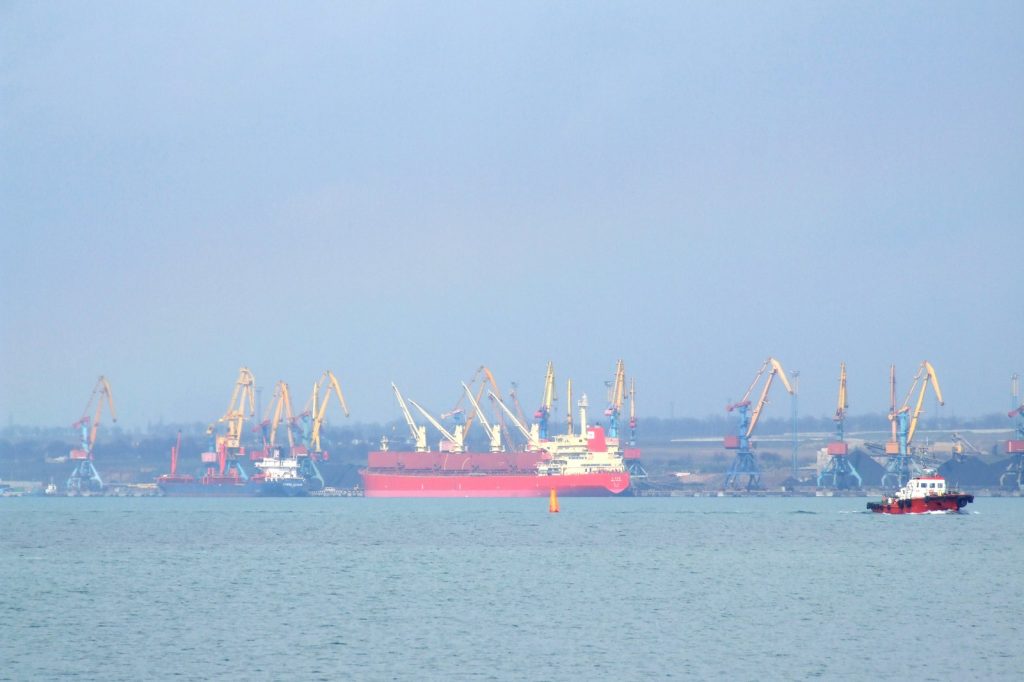
A Liberian‑flagged bulk carrier was hit by a Russian missile while approaching Pivdennyi Port in Odesa Oblast, leaving one crew member dead and four others injured. The vessel was loaded with iron ore destined for China, a cargo now stranded as the ship sustains damage that will prevent it from completing the voyage.
The incident adds to a series of attacks on maritime infrastructure in Ukraine’s southern ports, where grain and now mineral shipments have repeatedly been targeted. Each successful strike raises questions about the safety of routes that deliver commodities to the Chinese market, a concern that Beijing has tried to balance against its broader diplomatic posture toward Moscow.
China has walked a cautious line since the conflict began, maintaining economic links with Russia while avoiding explicit support for the invasion. The loss of a China‑bound cargo to a missile strike intensifies the dilemma: how long can trade continue when vessels face direct threats?
Russia’s armed forces, equipped with the world’s largest nuclear arsenal and the second‑largest fleet of ballistic‑missile submarines, maintain a personnel strength of roughly one million active soldiers and close to two million reservists, placing its military among the five largest globally. The capability to launch further strikes on shipping lanes remains evident.
The United States, under President Biden, condemned the attack and continues to rally a coalition aimed at curbing Russian influence. While diplomatic denunciations do not stop missiles, they underscore the broader geopolitical contest surrounding Black Sea trade.
For the crew, the decision to dock at Pivdennyi carried known hazards. The dead seafarer and the four wounded—now receiving treatment in hospitals within Odesa Oblast—are stark reminders of the human cost behind the statistics. Their vessel’s flag offered no protection once a missile was in flight.
Beyond the immediate tragedy, the interruption of the iron‑ore shipment has ripple effects on global supply chains. With the cargo unable to reach its Chinese destination, alternative sources will need to be found or delivery timelines extended. Such disruptions can modestly lift iron‑ore prices, prompting adjustments in steel‑mill orders in China and affecting manufacturers elsewhere months later.
Insurance premiums for vessels navigating the Black Sea are expected to rise as insurers reassess the heightened risk profile. Observers note that each incident erodes the “tightrope” China walks, making future statements from Beijing likely to be more guarded and less definitive.
The pattern of targeting export infrastructure in Odesa Oblast suggests a strategic intent to influence regional trade flows. While the missile strike did not halt all maritime activity, it serves as a warning that the corridor remains vulnerable.
As the war persists, ships continue to sail, and missiles remain in the skies. The loss of a single crew member, the injuries to four others, and the stranded iron ore illustrate the ongoing intersection of geopolitics, commerce, and human lives on the Black Sea.




