
BRUSSELS, August 4 — The 2022 Russian invasion of Ukraine fundamentally reshaped global economic landscapes, unleashing a cascade of consequences that continue to reverberate across continents, profoundly impacting global markets, energy prices, and intricate supply chains. As a continent deeply intertwined with the region’s commodity flows, Europe has felt these shifts with particular intensity, accelerating a re-evaluation of its strategic economic dependencies. Against this backdrop, the immediate and dramatic surge in global energy prices became a defining feature of the conflict.
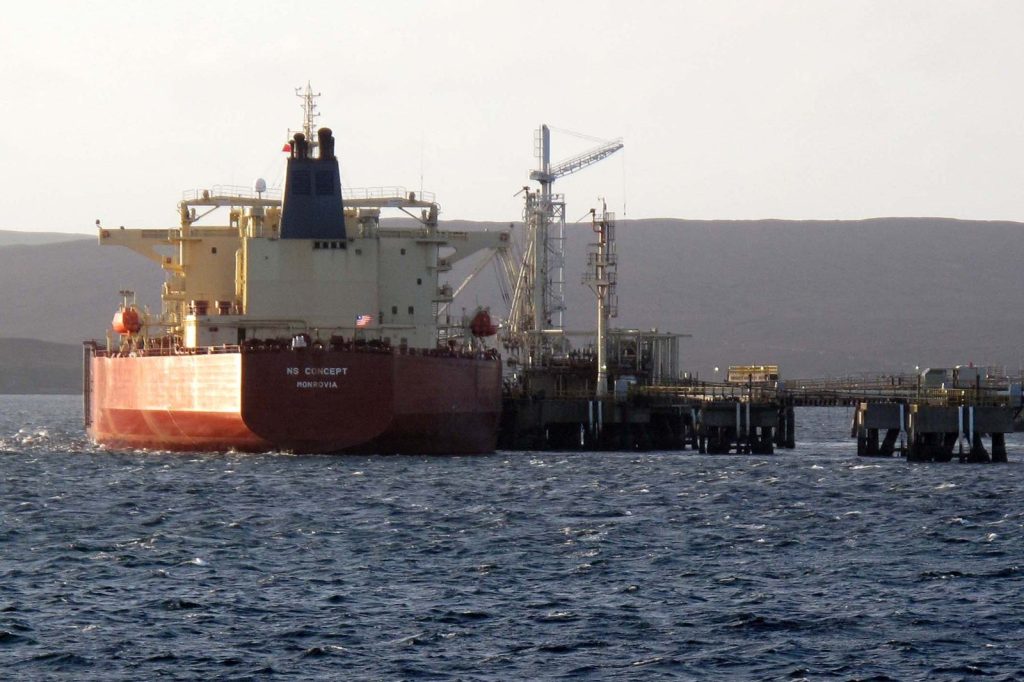
Russia, a major energy exporter, saw its supplies come under scrutiny, while Western sanctions targeted its energy sector. Brent crude oil, a key international benchmark, surpassed $100 per barrel in early 2022, and natural gas prices in Europe ascended to record highs.
This surge was primarily driven by concerns over potential supply disruptions. While prices have since fluctuated, the war has undeniably accelerated the concerted efforts by European nations to reduce their reliance on Russian energy imports, a significant strategic pivot. The conflict also severely disrupted agricultural markets.
Ukraine, historically known as the ‘breadbasket of Europe,’ is a significant global exporter of grain. The blockade of Ukrainian Black Sea ports in the initial months of the invasion created immediate alarm, followed by the intermittent operation of the Black Sea Grain Initiative, established in July 2022.
These disruptions caused global food prices to soar, thereby exacerbating food insecurity, particularly in developing countries. The World Bank estimated that the war would cause a significant increase in global poverty, underscoring what is at stake for vulnerable populations worldwide.
The Catastrophic Toll on Ukraine
For Ukraine itself, the economic devastation has been nothing short of catastrophic. The World Bank and the Ukrainian government estimated in March 2023 that the cost of reconstruction and recovery would reach at least $411 billion over ten years, a figure that continues to rise with ongoing destruction. The National Bank of Ukraine reported that the nation’s GDP contracted by an estimated 29.1% in 2022.
Millions of people have been displaced from their homes, leading directly to a substantial loss of workforce and productive capacity within the country.
Russia’s Economic Resilience Amidst Sanctions
In response to the invasion, international sanctions were swiftly imposed on Russia by the United States, the European Union, and other allies. These measures targeted Russia’s financial institutions, its technology sector, and key individuals, with the explicit aim of crippling its economy and limiting its ability to fund the ongoing war. While Russia’s economy initially faced a severe shock, it has shown a degree of resilience.
This was partly attributed to high energy prices throughout 2022, which bolstered its revenue, and a redirection of trade towards non-Western partners. Nevertheless, the long-term impacts of these comprehensive sanctions are widely expected to be substantial, reshaping Russia’s economic trajectory for years to come.
As the conflict continues into its fifth year, the wider picture reveals an ongoing re-calibration of global economic relationships and supply chains. The repercussions of the 2022 invasion continue to manifest in volatile markets and persistent geopolitical tensions, demanding sustained attention from policymakers and economists alike.




