
MOSCOW, July 13 — The drone threat to Moscow Oblast, the densely populated region encircling the Russian capital, is no longer a sporadic nuisance but a persistent security problem with measurable economic consequences.
The mechanics here are straightforward. Since Russia’s 2022 invasion of Ukraine, the oblast has become a recurring target. The pattern is clear: not a single catastrophic strike, but a steady drumbeat of incidents that force the Kremlin to expend resources and explain disruptions to a population of over 8 million people.
On March 1, 2025, explosions were reported in the region. The source was not immediately confirmed, but the event fits a timeline of escalating pressure. Prior to that, in August 2024, a drone struck a warehouse in the Domodedovo district. Then, in November 2024, an oil depot in Kolomna was hit. The catch for Moscow is that these are not random; they target logistics and fuel infrastructure.
Russia has responded by deploying its Pantsir-S1 and S-400 air defense systems around Moscow to intercept drones. These are sophisticated, expensive systems. Follow the money: each interception costs a significant sum, and the sustained deployment represents a drain on Russia’s military budget that is not producing headlines in the West but is very real on the Kremlin’s ledger.
The cost of keeping the capital calm
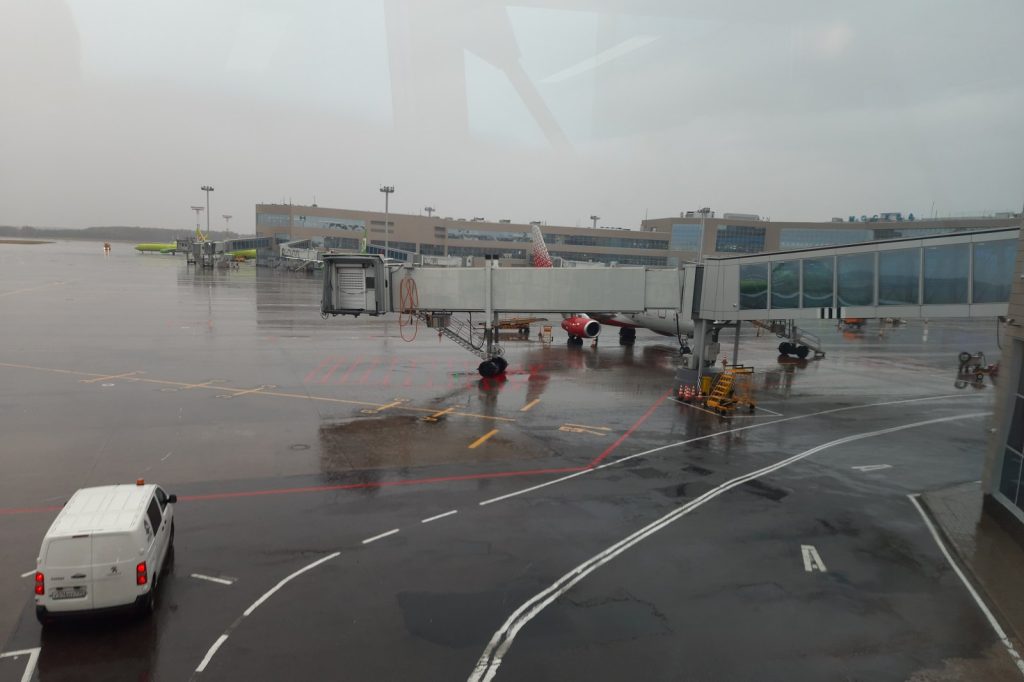
The disruption to air travel is a concrete, measurable consequence. Moscow’s Vnukovo and Domodedovo airports have temporarily closed on several occasions due to drone activity. For a business journalist, this is a flashing red light. Airport closures mean grounded cargo, delayed business travel, and a hit to the region’s economic efficiency. The oblast, home to over 8 million people, cannot function smoothly when its primary transport hubs are regularly shut down.
On closer reading, the security concerns among residents are not just a local story. They are a signal to international markets and investors. A region that cannot guarantee the safety of its airspace or its industrial facilities is a region where risk premiums rise. The Kremlin’s narrative of a controlled, secure homeland takes a direct hit every time a drone gets through, or even when one is shot down over a populated area.
What to watch next
The question now is whether the frequency will increase or whether Russia can adapt its defenses fast enough to keep pace. The deployment of S-400 systems around Moscow suggests the military is taking the threat seriously, but the attacks keep coming. For anyone tracking the fiscal health of the Russian state, the cost of this defensive posture is a line item that deserves scrutiny. It is not a war-winning expense, but it is a war-sustaining drain.




