
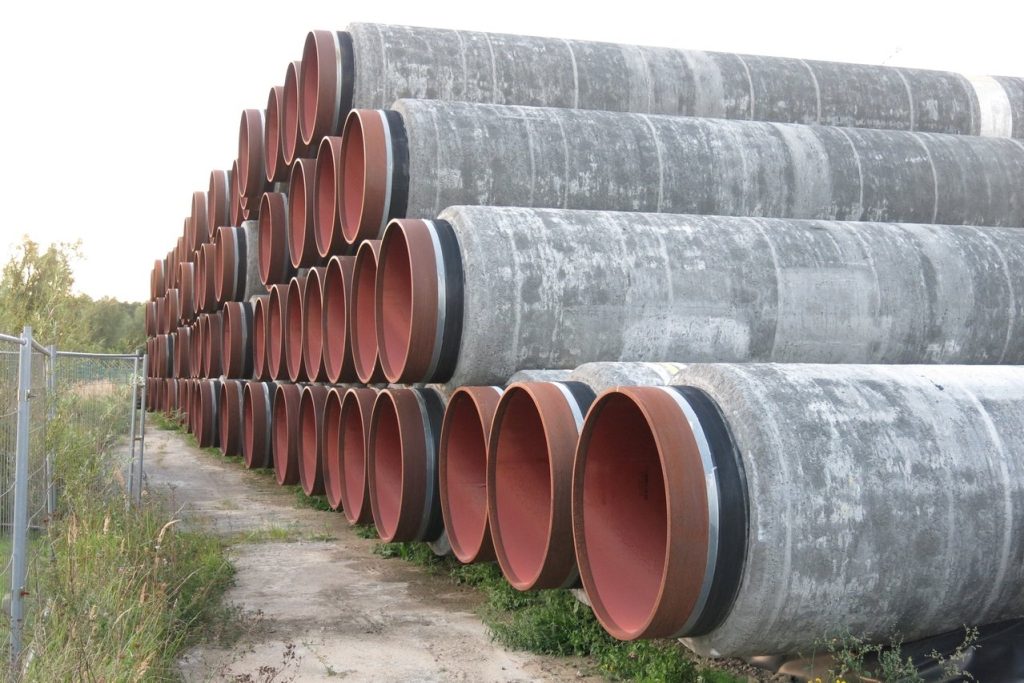
A judicial decision issued in Warsaw late last week has triggered diplomatic ripples across Eastern Europe by the start of this week. Poland has declined to extradite a Ukrainian suspect to Germany in connection with the Nord Stream pipeline explosion, halting one prosecution while revealing deeper tensions within the Western alliance that Russia has long sought to exploit.
The Polish court’s ruling rested on specific legal grounds. The explosion occurred in international waters. The damaged pipeline was owned by a Russian entity.
The war in Ukraine was already in progress. Based on these factors, the court determined insufficient evidence existed to transfer the suspect to German authorities.
While the reasoning was legal, the implications extend well beyond the judiciary. For Germany, the outcome represents a significant setback. German investigators had assembled a case and aimed to try the suspect in a German courtroom.
With the extradition blocked, they now lack both a suspect and a clear procedural route forward. The German government has offered no public comment, though diplomatic sources indicate considerable behind-the-scenes discontent.
This is not a minor administrative issue; it constitutes a rejection of German judicial authority by a fellow European Union member state, a development with considerable weight. The decision also intersects with the broader conflict surrounding Ukraine. The suspect is Ukrainian, and the explosion is widely regarded as an act of sabotage.
Russia has blamed Western nations, while Western nations have blamed Russia. Ukraine, engaged in a war for its survival, has sought to avoid direct involvement in this matter.
By refusing to extradite a Ukrainian citizen to face charges that could potentially implicate Ukraine, the Polish court has effectively supported Kyiv’s position. The timing of the ruling is notable. Issued on October 17, 2025, it comes nearly three years after the pipelines were damaged.
The investigation has been protracted, and political pressure has intensified over time. The United States has consistently criticized Russia’s war and pledged support for Ukrainian sovereignty.
However, the Nord Stream case has always been a distinct and complex issue, one that now risks complicating Polish-German relations. The path forward remains uncertain. Germany may pursue diplomatic measures, escalate the matter within EU institutions, or attempt to reach the suspect through alternative legal channels. However, the legal door Poland has closed will be difficult to reopen.
The core question of jurisdiction is now central: if the explosion took place in international waters on Russian property, which nation holds the right to prosecute? Poland’s answer was a refusal.
For Ukraine, the ruling constitutes a quiet diplomatic success. Kyiv has resisted Russian pressure and fought to preserve its independence. A Polish court has declined to send a Ukrainian citizen to face a German trial for an act Moscow has used to foster division.
For Russia, the decision provides useful material. The Kremlin has long argued that Western nations are divided and that the Nord Stream investigation is politically motivated.
Poland’s refusal offers Moscow a concrete example to cite. The explosion was never merely a crime; it was an instrument in a larger conflict. The legal phase has concluded, but the political repercussions are only beginning.




