
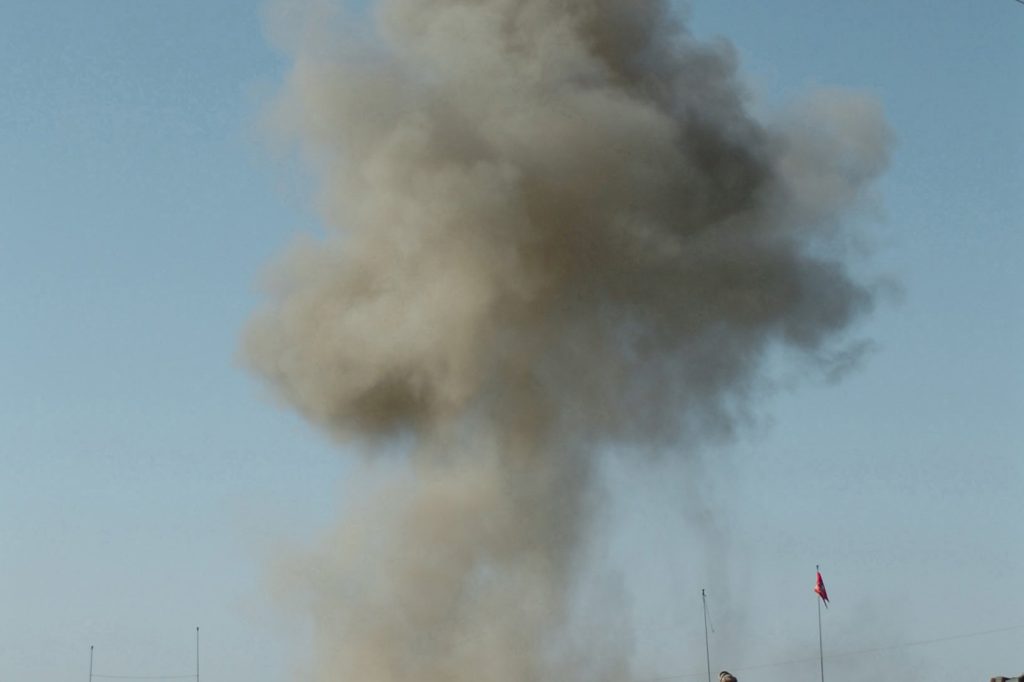
On 15 October, a media worker was killed when Pakistani airstrikes struck Kabul, underscoring the growing danger faced by journalists covering Afghanistan. The International Federation of Journalists (IFJ), which represents more than 600,000 media professionals worldwide, confirmed that the victim was a civilian reporter, not a combatant.
The IFJ has long provided safety training for journalists operating in conflict zones—teaching how to avoid landmines, navigate crossfire and negotiate with armed groups. Airstrikes, however, present a different threat: they arrive without warning and leave no room for negotiation. The recent strike adds another grim chapter to the decades‑long tension between Pakistan and Afghanistan over border security and the presence of militant safe‑havens.
Abdul Ghafoor Abed, the journalist killed in the airstrike, was covering ongoing shootouts along the border when the bombs fell. His death follows another recent incident in which a reporter was shot while documenting border clashes.
The IFJ has recorded these patterns, noting that the line between reporting on conflict and becoming a casualty is increasingly blurred. IFJ leaders Dominique Pradalié and Anthony Bellanger have repeatedly called on governments to respect journalists’ civilian status and to hold perpetrators accountable. Despite these appeals, tangible progress remains limited.
Each loss of a reporter removes a vital source of information, especially in a country where foreign news bureaus have contracted and local journalists now shoulder the bulk of reporting risks. The federation works with UNESCO, the International Trade Union Confederation and the Trade Union Advisory Committee to the OECD, giving it diplomatic channels to raise concerns.
Yet diplomatic pressure has not stopped the strikes. While Western governments continue to emphasize democracy and human rights in the region, many have withdrawn troops, closed embassies and reduced on‑the‑ground presence, leaving local journalists—often underpaid and under‑equipped—to fill the reporting gap. IFJ training programs focus on risk assessment, proper use of protective gear and safe reporting practices, such as filing stories from secure locations and recognizing the sound of incoming artillery.
Nevertheless, no preparation can guarantee survival against an unexpected airstrike, nor can it ensure that the laws of armed conflict will be honoured. The principle that a person with a notebook and a camera is not a legitimate target has been directly challenged by the Kabul strike.
The IFJ can document the incident, issue condemnations and lobby international bodies, but it cannot veto a government’s decision to conduct an air operation over a capital city. The federation’s extensive membership provides considerable influence, yet the death on 15 October is a stark reminder that collective muscle does not automatically translate into protection on the battlefield. The IFJ’s partnership with the Trade Union Advisory Committee secures a seat at labor‑rights discussions, but it does not extend to shaping foreign‑policy decisions that lead to such strikes.
Each journalist killed is added to the IFJ’s growing database of media‑worker casualties, complete with name, date and cause of death. The October 15 entry joins a lengthening list that reflects an unsettling trend.
International reactions have largely been limited to expressions of regret—statements that, while acknowledging the loss, do little to prevent future incidents. Despite the limited impact of official remorse, the IFJ continues its work, driven by the belief that silence would be far worse than a recorded, albeit tragic, statistic. The organization remains committed to documenting each loss, advocating for stronger protections, and pressing for accountability, even as airstrikes and journalist deaths persist.




